
Lieferung heute & morgen

Qualitätsgarantie

Willkommens-Angebote freischalten: KOSTENLOSE Lieferung | Bis zu 80 % RABATT | Kostenlose 30-Tage-JoyPlus-Testphase
App herunterladen
For anyone looking to avoid the additives, unnecessary packaging waste, and high prices of store-bought plant-based drinks, making them at home is a smart alternative. A plant-based milk maker automates this process, allowing you to prepare fresh drinks from nuts, soy, or grains with minimal effort. However, the selection of machines is vast, and their features vary.
This article serves as your guide. We'll introduce different models and explain the key criteria to consider when choosing a machine for your needs, whether you're looking for a soy milk maker for traditional preparations or a versatile nut milk maker.
The right machine for you depends on your personal habits and household needs. Three key aspects will help you narrow down your options.
The capacity of a plant-based milk maker determines how much drink you can make in a single cycle.
Modern machines are often more than just simple blenders for plant drinks. The range of features determines how versatile the appliance can be.
Easy maintenance is crucial for regular use.
Based on the criteria mentioned, we have compiled a selection of machines that cover a range of different needs.
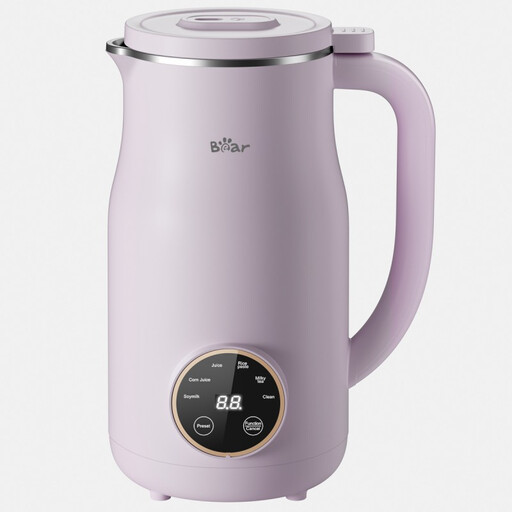
Why this model stands out: This compact machine is tailored to the needs of smaller households. With a 600 ml capacity and five preset menus, it offers a solid set of core features for daily plant-based drink preparation. The ability to process both dry and soaked soybeans adds flexibility.
Advantages:
Who is it for? Ideal for individuals, couples, or small families looking for a compact, straightforward machine to get started in the world of homemade plant-based drinks.
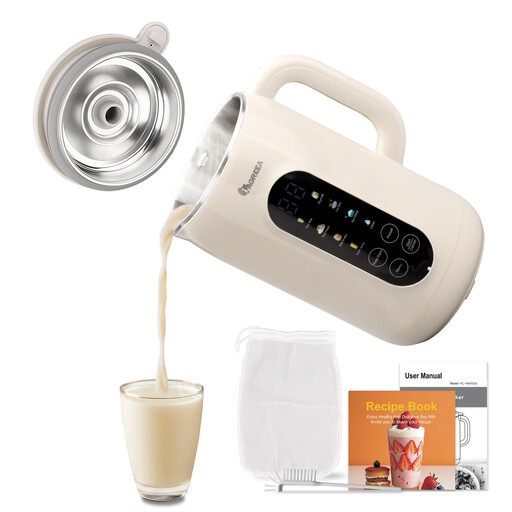
Why this model stands out: With ten programs, this machine is a versatile kitchen appliance that can prepare soups, juices, and porridges in addition to plant-based drinks. According to the manufacturer, its 10-blade system is designed to grind ingredients so finely that no subsequent straining is required.
Advantages:
Who is it for? Suitable for users who value versatility and are looking for an appliance that goes beyond just making plant-based drinks. The combination of a timer, keep-warm, and cleaning function offers a high level of everyday convenience.

Why this model stands out: This model focuses on high-performance blending for exceptionally creamy results. According to the manufacturer, the motor reaches a speed of 36,000 RPM, which, combined with the special internal stirring column design, is said to enable maximum nutrient extraction and a very fine consistency.
Advantages:
Who is it for? For users who prioritise an exceptionally smooth and pulp-free texture in their plant-based drinks. The high motor power and large capacity make it a great choice for families and discerning users who regularly make their own vegan milk.
The models featured here provide a good overview of the available functions. If you want to compare more machines or search for specific features, you can find a wider selection in our category.
? Discover more nut milk makers
1. Can you make oat milk with a plant-based milk maker? Yes, most modern plant-based milk makers have special programs for grain-based drinks or a cold-blend function, which is well-suited for making oat milk. Since oats can become slimy with too much heat, a program with no or low heat is ideal.
2. How does the self-cleaning function on a plant-based milk maker work? For the self-cleaning function, you fill the container with water and optionally a drop of dish soap after use. The machine then uses high-speed rotations, often with heated water, to create a vortex that clears residue from the blades and inner walls. Afterwards, you simply pour out the water and give the container a quick rinse.
3. Is a plant-based milk maker worth it? A machine can be a worthwhile investment for several reasons. Financially, it can pay for itself with regular use, as the cost of raw materials (nuts, soybeans, oats) is typically much lower than the price of finished products. You also have complete control over the ingredients, allowing you to avoid sugar, thickeners, and other additives. Last but not least, making your own reduces packaging waste.