
Lieferung heute & morgen

Qualitätsgarantie

Willkommens-Angebote freischalten: KOSTENLOSE Lieferung | Bis zu 80 % RABATT | Kostenlose 30-Tage-JoyPlus-Testphase
App herunterladen
The selection of plant-based protein drinks on supermarket shelves and online is constantly growing. But with more variety comes more confusion. Many products marketed as healthy turn out to be costly mistakes upon closer inspection. Before you buy, you should know the three most common pitfalls that cause consumers to spend money on products that don't meet their expectations.
To find a plant-based protein drink that meets your needs, don't be swayed by marketing messages. Instead, focus on three objective parameters you can check directly on the label.
A product that serves as a protein source should have a corresponding amount. A high protein content is a clear sign of quality.
The protein source (e.g., soy, pea, fava bean) determines the amino acid profile and can also influence the taste and texture. Soy is a source of complete plant-based protein, meaning it contains all essential amino acids.
A look at the nutrition facts and the ingredient list is essential.
The choice between a powder and a ready-to-drink product depends on your personal needs.
Based on these objective criteria, we have selected some products from our range that are suitable for different user profiles.
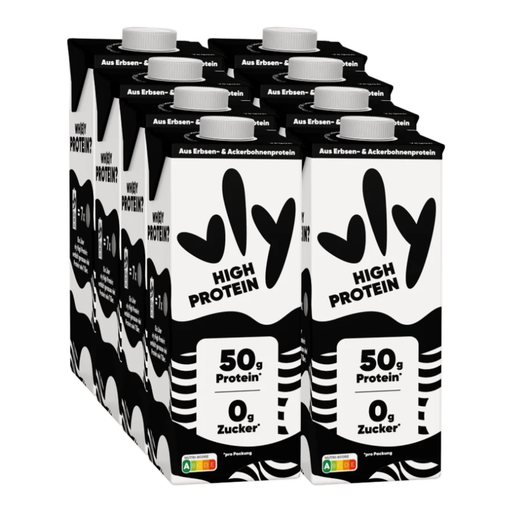
Why This Fits Their Persona: Ideal for athletes and anyone looking to maximise their protein intake. This drink is designed to replace both milk and protein powder, making it perfect for post-workout shakes or as a protein-rich base for cereal.
Directly counters the "misleading protein" and "sugar" traps: With 5g of protein per 100ml and 0g of sugar, this product delivers exactly what it promises—a high dose of plant-based protein without unnecessary sugar.
Very high protein content (5g/100ml) from fava bean and pea protein. Completely sugar-free and fortified with vitamins (B12, D3) and minerals.
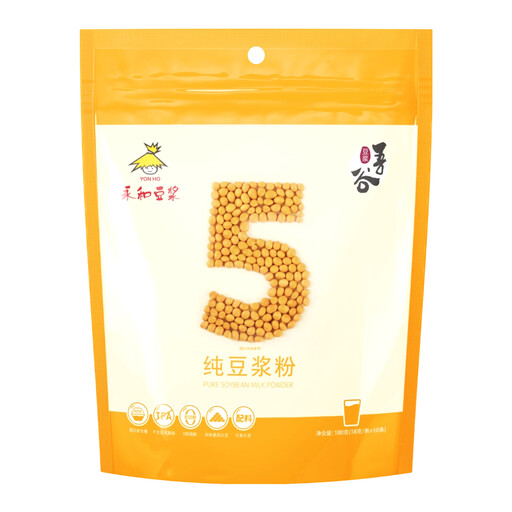
Why This Fits Their Persona: For those who want maximum control over their nutrition. This powder consists only of soybeans, allowing you to determine the sweetness, consistency, and flavour of your drink yourself. Ideal for cooking, baking, or for homemade soy milk.
Completely bypasses the "additive overload" and "sugar" traps. With only one ingredient (100% soybeans), there are no hidden additives. The natural sugar content is transparently declared.
100% pure soybeans, no additives. Extremely high protein content of 40g per 100g. Maximum flexibility in preparation.
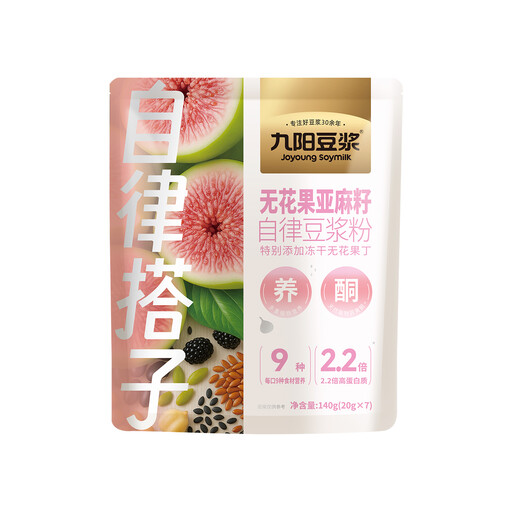
Why This Fits Their Persona: Perfect for busy professionals or for on-the-go use. The convenient single-serving sticks provide a nutrient-rich and flavourful alternative to a quick snack. The blend of superfoods like figs and flaxseed offers a unique taste experience.
Solves the problem of bland taste without falling into the sugar trap. It's sweetened with xylitol and gets its flavour from natural ingredients. The protein content is solid at 27g/100g.
Convenient single-serving packets for easy preparation. Contains a blend of 9 ingredients, including superfoods. No added table sugar.
We have compiled a complete, up-to-date list of products that fully meet these strict selection criteria.
For a lump-free result, it's best to add the powder to the water, not the other way around. Use warm, but not boiling, water (approx. 70–80°C), as temperatures that are too high can cause the proteins to clump. Stirring vigorously with a spoon, a whisk, or shaking it in a shaker will ensure a smooth consistency.
A high-quality drink is distinguished by a combination of three factors:
Yes, by definition, purely plant-based products do not contain lactose (milk sugar). This makes every plant-based protein drink, whether based on soy milk, oats, or peas, a suitable milk alternative for individuals with lactose intolerance or a milk protein allergy.