
Lieferung heute & morgen

Qualitätsgarantie

Willkommens-Angebote freischalten: KOSTENLOSE Lieferung | Bis zu 80 % RABATT | Kostenlose 30-Tage-JoyPlus-Testphase
App herunterladen
The selection of botanical decor is based on an analysis of material properties, intended use, and design requirements. Whether for indoor or outdoor spaces, the decision for a specific product depends on objective criteria such as durability, maintenance, and compatibility with the intended location. This article examines the technical aspects of planters and artificial plants to facilitate an informed selection.
The functionality and aesthetics of botanical decor are largely determined by the material used and the type of plant—real or artificial. A systematic approach helps in identifying the most suitable solution.
The choice of material for a contemporary planter or an indoor plant pot influences not only its appearance but also its handling and lifespan.
Ceramic: A large ceramic flower pot is characterized by its substantial weight, which provides excellent stability. The material is porous, which, in unglazed versions, can support gas exchange in the root zone. Glazed ceramic, on the other hand, is waterproof and protects surfaces like windowsill decor from moisture. Due to its sensitivity to frost, ceramic is primarily suitable for indoor use or sheltered outdoor areas. The manufacturing process allows for a wide variety of shapes and surface textures.
Plastic (e.g., Polypropylene, Polyethylene): Planters made of plastic are lightweight, shatterproof, and generally weather-resistant. This makes them a practical choice for balconies and terraces. High-quality plastics with UV stabilizers retain their color over extended periods, even in direct sunlight. The material density is lower than that of ceramic, which facilitates transport.
Stoneware: This material is fired at higher temperatures than ceramic, making it denser, more durable, and frost-resistant. It represents a robust option for year-round garden plant decor.
The choice between a real and an artificial plant is a matter of application and the desired level of maintenance.
Real Plants: They require specific light, water, and nutrient conditions. Their advantage lies in their ability to improve air quality and in their natural growth. However, they require regular care.
Artificial Plants: Modern outdoor artificial flowers or indoor varieties offer a low-maintenance alternative. The quality is determined by the materials used. Flower heads made from silk fabric or high-quality textile material offer a realistic feel and appearance. Stems and leaves made of flexible plastic (e.g., PE) allow for naturalistic shaping and ensure weather resistance. Artificial tulips or other replicas are suitable for locations with insufficient light or for individuals who prefer a consistently uniform appearance.
Based on the aforementioned criteria, we present two products that stand out for their specific material and design characteristics.
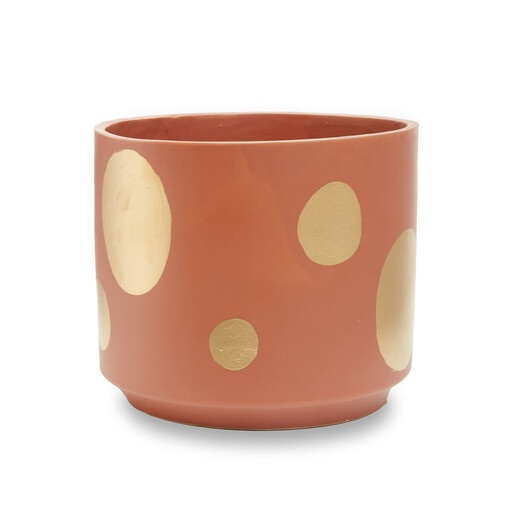
Product Feature Analysis According to the manufacturer, this indoor planter is made of 100% stoneware, which gives it high durability and considerable weight. Its dimensions of H 17 x D 18 x W 18 cm make it a medium-sized vessel suitable for various houseplants. The design, featuring a speckled terracotta look and gold accents, follows a modern design approach. A key functional feature is the built-in drainage hole, which prevents waterlogging and contributes to the plant's health.
Advantages Based on Specifications
Who is this product for? This planter is aimed at users seeking a durable and visually striking contemporary planter for indoor use. It is suitable for living rooms, hallways, or as a central piece of windowsill decor, where both design and material quality are a priority.
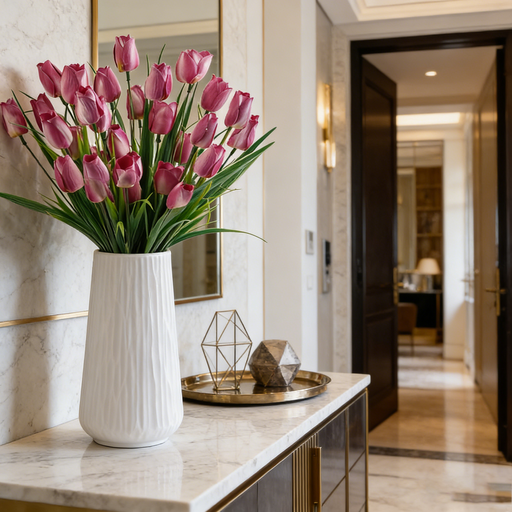
Product Feature Analysis This set consists of four bundles with a total of 20 stems of artificial tulips. According to the manufacturer, the flower heads are made of silk material, while the stems and leaves are made of plastic. This combination of materials aims to merge a realistic appearance with weather resistance. The total height of approx. 38.7 cm per stem allows for versatile decorating options. The product is explicitly designed for use as outdoor artificial flowers but can also be used indoors.
Advantages Based on Specifications
Who is this product for? This product is suitable for individuals looking for a durable, low-maintenance decorative solution for gardens, porches, window boxes, or other outdoor areas. It is also an option for indoor spaces with poor lighting conditions where real plants would not thrive.
For a wider selection of planters, artificial plants, and decorative items for indoor and outdoor use, you can browse our assortment in the Garden & Home Decor category. There you will find products with different specifications to meet various functional and aesthetic requirements.
1. What should be considered when choosing a ceramic flower pot? With a large ceramic flower pot, three aspects are relevant: its weight, which provides stability but makes transport more difficult; the presence of a drainage hole to prevent root rot; and its frost resistance. Not all types of ceramic are suitable for year-round outdoor use in regions with sub-zero temperatures. Glazed models are waterproof and protect the surface underneath.
2. How realistic do modern artificial flowers look? The realism of modern artificial flowers depends heavily on the materials. High-quality models often use silk fabric or coated textiles for the blossoms, which allows for a lifelike texture and coloration. The stems and leaves are made from flexible plastics with detailed embossing to replicate the veining and surface structure of real leaves.
3. What kind of plant decor is suitable for a windowsill? For windowsill decor, both small to medium-sized planters with real plants and compact arrangements of artificial flowers are suitable. When choosing real plants, select species that can tolerate the light conditions at the window. When using ceramic pots, ensure you have a waterproof saucer or that the pot is glazed to protect the windowsill from moisture. Artificial arrangements offer the advantage of requiring no maintenance and causing no soil or water stains.