
Lieferung heute & morgen

Qualitätsgarantie

Willkommens-Angebote freischalten: KOSTENLOSE Lieferung | Bis zu 80 % RABATT | Kostenlose 30-Tage-JoyPlus-Testphase
App herunterladen
Plant pots need to do more than simply look good. The key considerations are the location, the size of the plant, its water requirements and whether the container is intended to stay outdoors permanently. If you buy based solely on colour or finish, you can easily overlook important details. This can lead to waterlogging, unstable planters or unnecessary additional costs.
This buying guide from the Joybuy Product Recommendation Officer helps you avoid common purchasing mistakes and choose suitable plant pots for your home, office, balcony, patio or garden.
Not every decorative pot is designed for direct planting. A cachepot often has no drainage hole and is intended solely as an outer cover for an inner pot. If you plant directly into it, excess water cannot drain away. This increases the risk of waterlogging, particularly for sensitive roots.
Before buying, make sure you know whether you are looking at a plant pot for direct planting or a cachepot.
The external dimensions do not always indicate the available soil volume. A planter with thick walls or an integrated internal structure may be considerably smaller inside. The relevant measurements are therefore the internal diameter, internal height and capacity.
A plant bowl that is too small restricts root growth. On the other hand, a pot that is too large retains moisture for longer and is not always suitable for small plants.
Depending on its location, a plant pot for indoor and outdoor use should offer UV resistance, moisture resistance and sufficient stability. Balconies and patios also have to cope with wind, temperature fluctuations and the weight of wet soil. Although a container may be weather-resistant, it still needs a level base and may require winter protection.
A plant pot with a drainage hole allows excess water to run off. A saucer or removable drip tray protects furniture, floors and patio surfaces. It is important to ensure that the opening does not become blocked by soil or roots.
Self-watering plant pots work differently: a reservoir supplies the growing medium through a wick or capillary system. This can reduce how often you need to water, but it does not replace checking the water level. The reservoir should be cleaned regularly.
Compact plant pots with a suitable drip tray are practical for windowsills and desks. On a patio, a large planter should be wide or heavy enough not to tip over in the wind. With tall containers, you should also check whether an inner pot is required. This reduces the amount of soil needed and makes it easier to move the plant later.
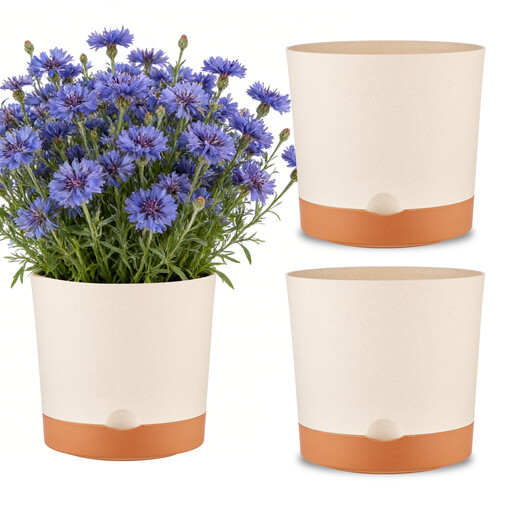
Why this product suits this profile: The set contains three beige plastic pots with matching saucers. With a diameter of 16.5 cm each, they are suitable for small to medium-sized plants on windowsills, balconies or patios.
The integrated water reservoir addresses irregular watering. However, the water level should still be checked, and the system should be kept free from soil and roots.
Three-piece set, matching saucers and a self-watering plastic design.
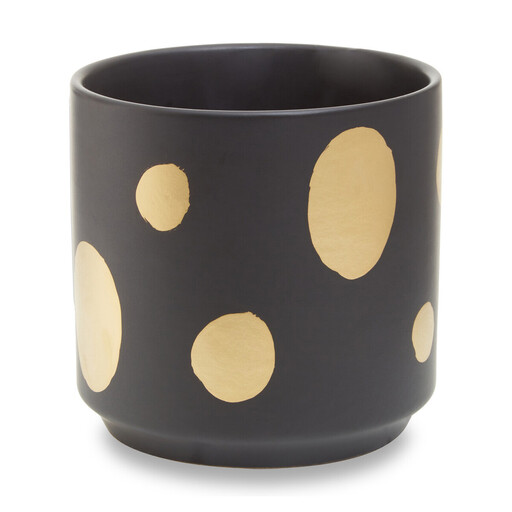
Why this product suits this profile: This ceramic plant pot measures 14 × 14 × 14 cm and combines a black finish with warm metallic dots. It is ideal as a decorative planter for an office, shelving unit or living space.
The product specifications identify stoneware as the material. As no drainage hole is mentioned, it is naturally suited for use as a cachepot with a suitable inner pot.
Compact dimensions, stoneware construction and clearly described care using a soft cloth.
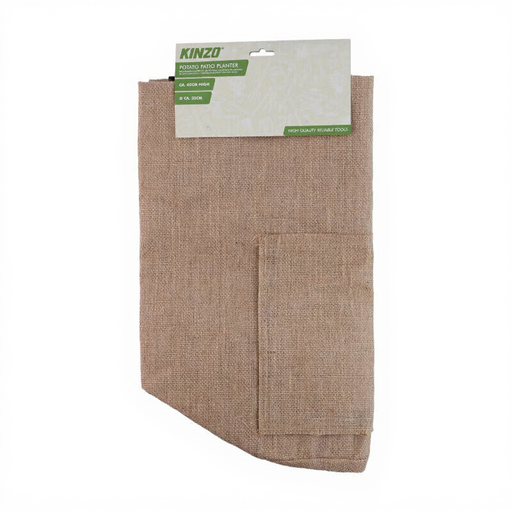
Why this product suits this profile: With a diameter of 35 cm and a height of 45 cm, this compact planter is designed for growing potatoes on a balcony, patio or in a courtyard.
Its intended use and dimensions are clearly specified. The low weight makes it easy to move, while the built-in drainage is designed to help prevent waterlogging.
PE construction, a net weight of 330 grams, a diameter of 35 cm and a height of 45 cm.
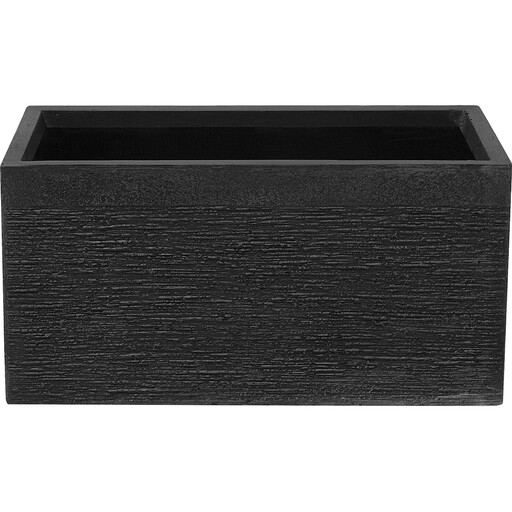
Why this product suits this profile: With its elongated shape and width of 60 cm, it can be used as a planter or room divider on the patio or indoors. The stated capacity is 42 litres.
Two openings in the base are specified. For direct filling, an additional plastic insert or liner is recommended to help control the growing medium and water.
60 × 29 × 30 cm, a capacity of 42 litres and stated UV, water and weather resistance.
We have put together a complete, regularly updated list of products that fully meet these strict selection criteria and the safety regulations applicable in the EU.
No. However, a direct-planting pot for many houseplants and balcony plants benefits from controlled drainage. Cachepots and decorative plant containers without openings are generally used with a suitable inner pot. With self-watering plant pots, the reservoir serves a different purpose; the water level must be checked regularly.
The new pot should suit the plant’s current root system and size. As a guide, choose a pot with a slightly larger diameter than the previous container. For large plants, the internal dimensions and stability are more important than the external height alone. With a large planter, a suitable inner pot can reduce the amount of soil required and the overall weight.
Ceramic and stoneware can generally be used outdoors, provided the specific product is designed for this purpose. Frost resistance, drainage and surface care instructions are the crucial factors. Without relevant manufacturer information, a ceramic plant pot should be kept in a sheltered indoor location or stored somewhere dry during frosty periods.