
Lieferung heute & morgen

Qualitätsgarantie

Willkommens-Angebote freischalten: KOSTENLOSE Lieferung | Bis zu 80 % RABATT | Kostenlose 30-Tage-JoyPlus-Testphase
App herunterladen
Plant pots for indoor plants should complement your décor while providing plants with a suitable home. In practice, however, poor purchases are often caused not by colour, but by missing information about drainage, dimensions and materials. Especially in small flats, on windowsills or in offices, every centimetre counts.
A beautiful cover pot is not automatically suitable as a plant container. Without a plant pot with a drainage hole, excess water can collect at the bottom. Depending on the plant, this increases the risk of waterlogging. For ceramic or concrete pots, it should therefore be clearly stated whether they have a hole, an insert or a removable drip tray.
A pot’s external dimensions do not always indicate the usable interior space. Feet, thick walls or an integrated water reservoir can reduce the available area. Before buying, compare the diameter, height and footprint with the space available and the size of the root ball.
Self-watering plant pots can make watering easier, but they still need to be checked. The water reservoir must not remain permanently overfilled, and soil or roots must not block the water flow. With artificial plants, watering is no longer necessary, but occasional dusting is still required.
For many real indoor plants, a drainage hole with a suitable drip tray is practical. A removable drip tray protects furniture and windowsills from water marks, but it needs to be emptied regularly. If a cover pot has no hole, the plant should be placed in a separate nursery pot that can be removed for watering.
For indoor plant pots, windowsill depth, table space and light levels are key considerations. A freestanding plant pot can raise plants to a higher level, but it needs a stable construction. On a balcony or patio, also check whether the pot is sheltered from the wind and whether it can still be moved easily once filled.
A compact pot for succulents is usually sufficient for small succulents. Herbs, on the other hand, need a container with adequate depth and controllable watering. If you want to grow potatoes, do not use an ordinary flower pot. Choose a purpose-designed container with a suitable height and drainage instead.
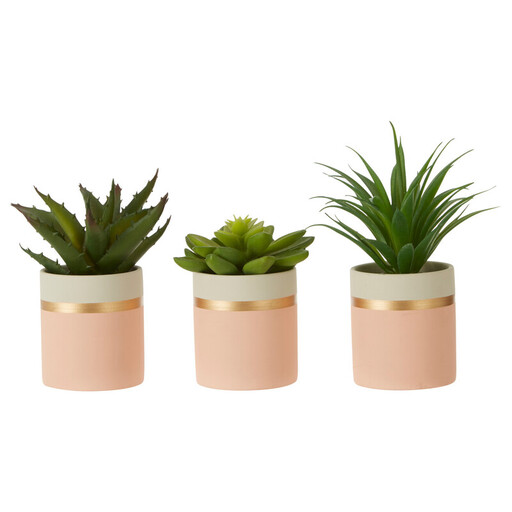
Why this product suits this profile: This set includes three small artificial succulents in decorative ceramic pots. They are ideal for desks, shelves or small windowsills when you do not want the hassle of watering.
As these are artificial plants, there is no need to consider drainage or overwatering. Simply wipe them with a damp cloth to keep them clean.
Three coordinated arrangements; each pot is approximately 10 cm high and 10 cm in diameter.
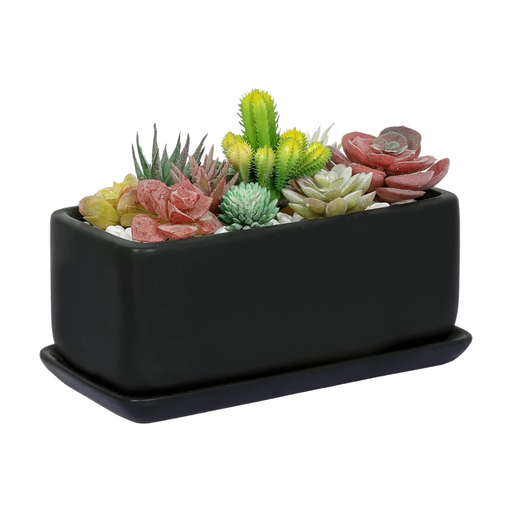
Why this product suits this profile: This rectangular ceramic pot combines a matt black finish with two drainage holes and a removable drip tray.
The drainage system is clearly specified. The tray can be removed for emptying, preventing excess water from remaining underneath the pot.
Ceramic body, two drainage holes and dimensions of approximately 25 × 12 × 10 cm.
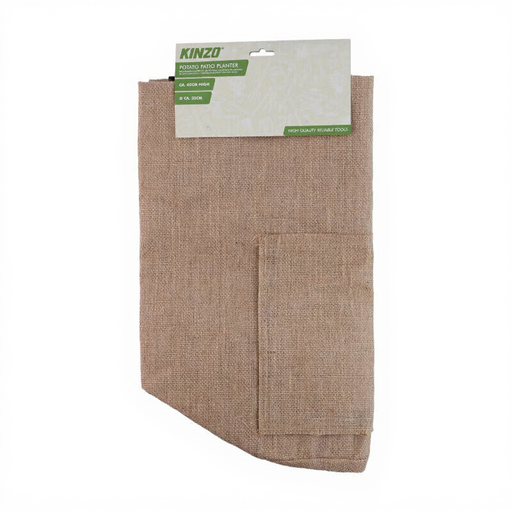
Why this product suits this profile: This plant pot is specially designed for growing potatoes, making it suitable for balcony, patio and garden owners with limited space.
It is not a replacement for an ordinary indoor plant pot. Instead, it is designed for a clearly defined purpose and, according to the product description, features drainage and ventilation.
Lightweight PE material, 35 cm diameter and 45 cm height; product weight approximately 330 g.
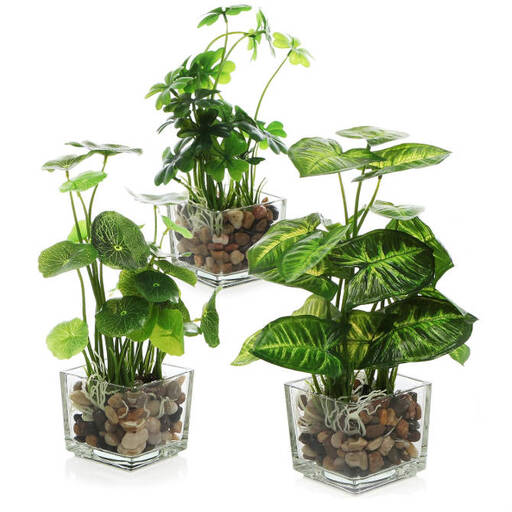
Why this product suits this profile: Three artificial plants in transparent glass cubes are ideal for desks, shelves, coffee tables and reception areas, with no regular watering required.
The plants need no water or assembly, reducing the maintenance required. However, the glass is still vulnerable to knocks and should be placed securely.
Three different plant varieties, clear glass containers and a supplied microfibre cloth.
We have put together a complete, regularly updated list of products that fully meet these strict selection criteria and the safety regulations applicable in the EU.
For real plants, the inner pot should fit the root ball without leaving excessive unused space. A pot that is too large can hold more soil and water than the plant needs. Low, sturdy containers are a sensible choice for windowsills; on small tables, round or rectangular models can make better use of the available surface.
Self-watering plant pots are particularly useful if watering is easily forgotten during the day-to-day routine. Before buying, check the reservoir capacity, how easy it is to clean and whether it is suitable for indoor use. One example is a three-piece set with a 16.5 cm pot diameter and matching saucers. Even so, monitoring the water level remains the user’s responsibility.
For artificial plants in pots and artificial succulents, material, stability and dust care are more important than drainage. Direct, prolonged exposure to sunlight can alter the colours of certain plastic plants or decorations. For real plants on balconies and patios, UV resistance, frost guidance and the weight when planted are key considerations.
Not every plant must be placed in a pot with a hole. However, a drainage hole makes it easier to control excess water. Alternatively, you can use a nursery pot with drainage holes inside a suitable cover pot. Any water that collects after watering should be removed.
The pot should suit the current root ball. It is often enough to choose a slightly larger diameter rather than opting for a very large container straight away. The plant’s eventual height, root depth and available space are also important factors.
They do not require electricity if the water supply works passively via a reservoir. Ongoing costs therefore mainly involve water, soil and occasional replacement parts. Their usefulness depends on how well the system suits the particular plant and your own watering habits.