
Lieferung heute & morgen

Qualitätsgarantie

Willkommens-Angebote freischalten: KOSTENLOSE Lieferung | Bis zu 80 % RABATT | Kostenlose 30-Tage-JoyPlus-Testphase
App herunterladen
By the Joybuy Product Recommendation Officer, July 17, 2026
A growing plant collection enriches any living space, but it often presents a challenge for owners: where to put all the pots? Windowsills fill up quickly, and the floor can look cluttered. A well-chosen plant stand not only creates order but also showcases your plants beautifully. It transforms a simple collection of pots into an intentional design feature.
This guide will help you understand the different options and make an informed decision. We'll introduce a selection of models and provide practical tips on what to look for when buying, so you can find the perfect solution for your home, balcony, or patio.
Choosing the right model depends on your plants, the available space, and your desired style. Three key criteria will help guide your decision.
The material determines not only the look but also the durability and where it can be used.
Different types are suitable depending on the number and size of your plants.
Pay attention to the maximum load capacity per tier specified by the manufacturer. Large pots filled with moist soil can be quite heavy. A sturdy construction and a stable base on a level surface are essential to prevent tipping. Check the product description for information on weight capacity, especially for multi-tiered models.
Here is a selection of plant stands that stand out for their unique designs and functional features.
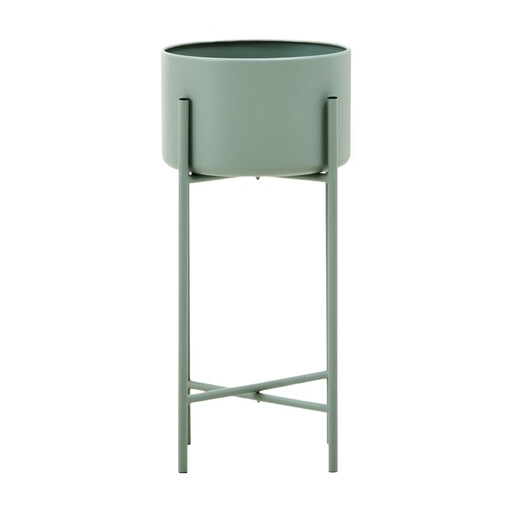
Why it stands out: The Trosa Plant Stand from Premier Housewares is a bold statement of modern design. Instead of holding many plants, it provides a prominent stage for a single, larger plant. Its minimalist style, combined with the striking green colour and elegant crossed-leg frame, makes it a standalone decorative object.
Benefits:
Who is it for? For design enthusiasts who want to stylishly highlight a single, large plant pot in a modern living environment. It fits well in living rooms, entryways, or conservatories.

Why it stands out: This model from Tribesigns is a functional solution for anyone looking to accommodate many plants in a limited space. The staggered arrangement across nine tiers ensures that each plant receives adequate light and remains easily accessible. The combination of wood-look shelves and a black metal frame gives it an appealing industrial aesthetic.
Benefits:
Who is it for? For plant collectors seeking an organised, space-saving solution. This plant shelf is versatile enough for indoor and outdoor use and is ideal for balconies, patios, or bright living areas.
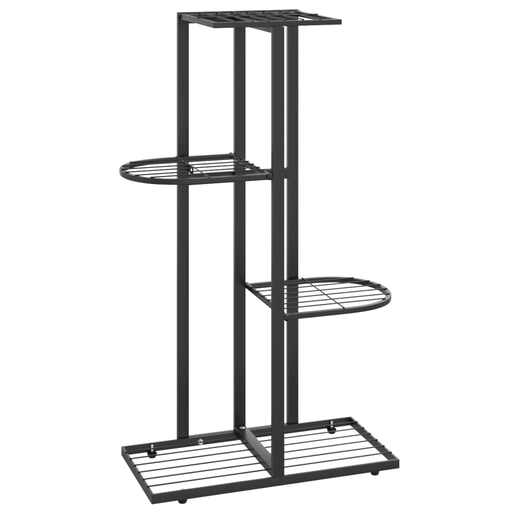
Why it stands out: The MINGHOU plant stand is the definition of space-saving. With its very small footprint of just 22 x 43 cm and its vertical orientation, it fits into even the smallest niche. The minimalist black metal design is unobtrusive, keeping the focus entirely on the plants.
Benefits:
Who is it for? For those who need a functional and discreet solution for a small balcony or a tight spot in the house. It's a practical addition for organising a small plant collection vertically.
The models featured here cover a range of needs, but the world of plant stands is vast. If you're looking for different sizes, materials, or designs, you can find more alternatives in our comprehensive category.
? Discover more plant pot stands on Joybuy.de here
1. How much weight can a plant stand hold? The load capacity varies greatly depending on the model, material, and construction. It's crucial to check the manufacturer's specifications. Lightweight metal frames for single pots have a different weight limit than a solid plant shelf. For example, the MINGHOU model can hold up to 5 kg per tier. Always distribute the weight evenly.
2. What material is suitable for an outdoor plant stand? For use on a balcony, patio, or in the garden, weather-resistant materials are essential. Metal plant stands should be powder-coated or galvanised to prevent rust. For wooden stands, treated, durable woods like larch, Douglas fir, or teak are a good choice.
3. How do I clean a metal plant stand? Cleaning is usually straightforward. A damp cloth is typically sufficient to remove dust and dirt. Avoid abrasive or harsh cleaning agents, as they could damage the protective layer (e.g., the powder coating). Most manufacturers provide care instructions in the product description.