
Lieferung heute & morgen

Qualitätsgarantie

Willkommens-Angebote freischalten: KOSTENLOSE Lieferung | Bis zu 80 % RABATT | Kostenlose 30-Tage-JoyPlus-Testphase
App herunterladen
The selection of plant-based milk alternatives on supermarket shelves is constantly growing. For consumers looking for a milk substitute for health, ethical, or taste reasons, this variety can be both an opportunity and a challenge. Whether for the perfect foam in your coffee, your morning cereal, or for baking—the requirements for a plant-based milk vary.
This article serves as a guide. It explains what to look for when making your choice and presents a selection of products with different characteristics to help you make an informed purchasing decision.
To find the right plant-based milk alternative for your needs, three criteria can help guide your choice: intended use, ingredients, and the base ingredient.
Not every plant-based milk is suitable for every purpose. A variety designed for drinking straight or for cereal often behaves differently than expected in coffee.
The nutritional profiles of plant-based milks can vary significantly. A look at the label provides important information.
The base ingredient largely determines the taste, texture, and nutritional value of the final product.
Based on the criteria mentioned, we have compiled a selection of products that cover different applications and flavour profiles.
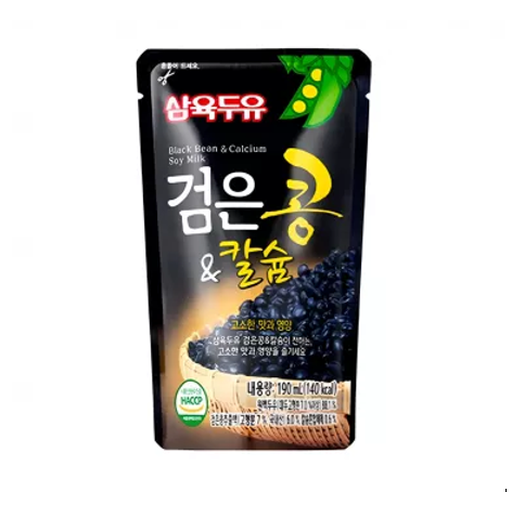
What makes this product stand out This soy milk combines the creamy texture of soy with the nutty aroma of black bean extract. It is also fortified with calcium and offers a comparatively high protein content of 6.0 g per 100 ml.
Key Features
Who is this product for? This product is aimed at those looking for a high-protein soy milk with a distinctive, nutty-sweet taste. It is well-suited for drinking on its own, in smoothies, or with cereal.
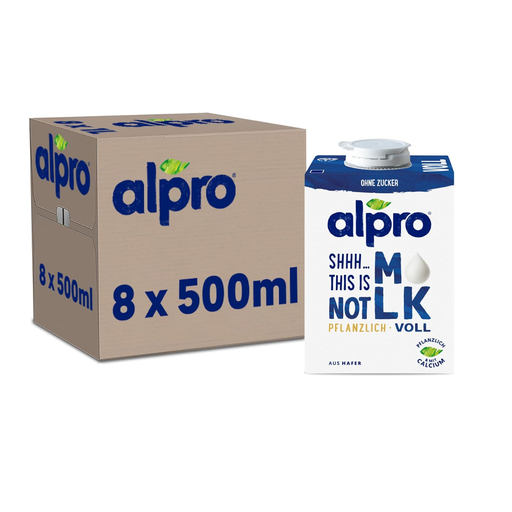
What makes this product stand out This oat milk was developed to replicate the full-bodied and creamy character of whole milk. With a fat content of 3.5% and no added sugar, it offers a rich base for various applications.
Key Features
Who is this product for? Ideal for users seeking a versatile and creamy alternative for cereal, coffee, or drinking straight, who prefer a taste experience reminiscent of whole milk.
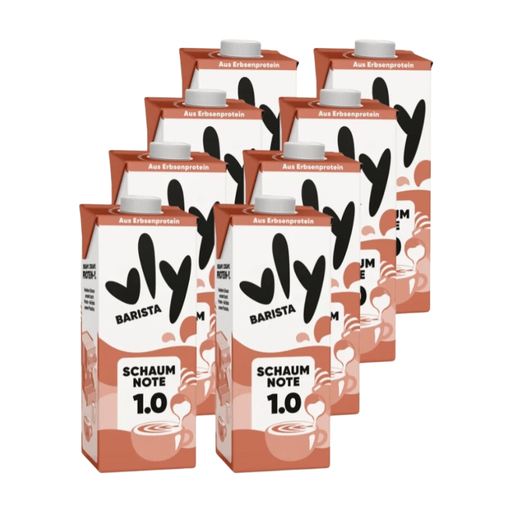
What makes this product stand out This barista milk alternative, based on pea protein, is specially designed for preparing coffee drinks. Its formula aims to create a dense and stable microfoam without overpowering the coffee's flavour. According to the manufacturer, it is free from soy, gluten, and nuts.
Key Features
Who is this product for? This product is for home baristas and coffee lovers looking for a high-performance, allergy-friendly milk alternative for coffee that froths reliably.
The market for plant-based milks is diverse and constantly evolving. If the products presented here don't fully meet your needs, or if you're curious about other varieties like rice, almond, or coconut milk, you can find a wider selection in our range.
Discover more products in our Shelf-Stable Dairy Products category.
For a stable and fine-pored milk foam, products labelled as "Barista" are best. These versions, like the Vly Barista Milk Alternative, have a formula with an adjusted protein and fat content specifically developed for frothing. As a general rule, a higher protein content promotes foam stability, and a higher fat content enhances creaminess.
Whether a plant-based milk or cow's milk is the more suitable choice depends on individual dietary needs and goals. Plant-based alternatives are naturally lactose-free, cholesterol-free, and often have a lower saturated fat content. Cow's milk is a natural source of high-quality protein, calcium, and vitamin B12. Many plant-based milks are fortified with nutrients like calcium and vitamins to supplement their nutritional profile. A blanket statement about which is "healthier" isn't possible; the decision should be based on personal health circumstances and preferences.
In summary, you should consider three main points: