
Lieferung heute & morgen

Qualitätsgarantie

Willkommens-Angebote freischalten: KOSTENLOSE Lieferung | Bis zu 80 % RABATT | Kostenlose 30-Tage-JoyPlus-Testphase
App herunterladen
A stylish planter can transform a room and lend it personality. Yet, the path to perfect planter decor is often paved with disappointment. Many buyers invest in products that become unusable after a short time, harm plants, or fail to deliver on their aesthetic promise. Before you make your choice, you should be aware of three common pitfalls that lead to unnecessary expense.
To avoid these mistakes, it helps to focus on a few key parameters. These objective criteria will help you assess a product's quality and suitability beyond the marketing hype.
The choice of material affects not only the look but also the durability and maintenance requirements.
A good planter is more than just a shell. Check the following functional aspects:
Instead of offering a one-size-fits-all recommendation, we have identified products that meet specific requirements and solve common problems.
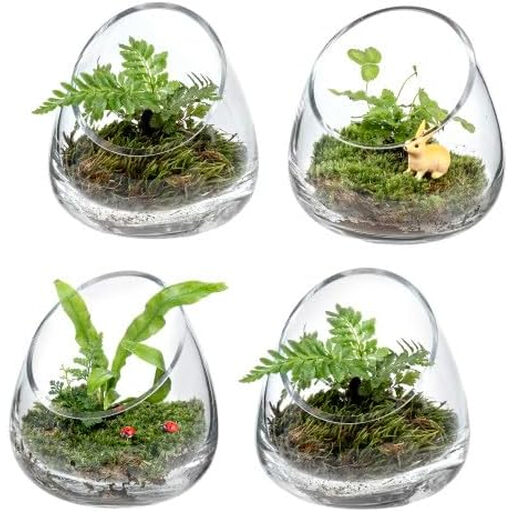
Why This Fits Their Persona: This set is ideal for anyone who appreciates a clean, modern aesthetic. The vessels are versatile as air plant holders, for small succulents, or as tea light holders, and they blend seamlessly into any decor.
The high-quality, clear glass is more durable than cheap alternatives. Its multifunctional design ensures it won't become an unused dust collector if the original plant idea changes.
The set of 4 allows for cohesive and creative groupings. The transparent design puts the focus on the plant itself.
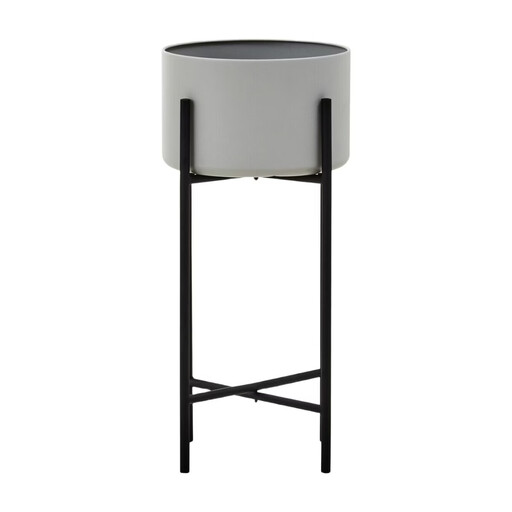
Why This Fits Their Persona: A robust solution for larger (artificial) plants that are meant to be a permanent fixture in a room. This floor planter combines functionality with a contemporary design without appearing unstable.
Crafted from 100% iron, this stand provides the stability that lightweight plastic or wooden frames often lack. Its size is designed for floor-standing plants, thus avoiding the "too small" trap.
The crossed iron frame ensures excellent stability. The minimalist, two-tone design complements many modern interior styles.
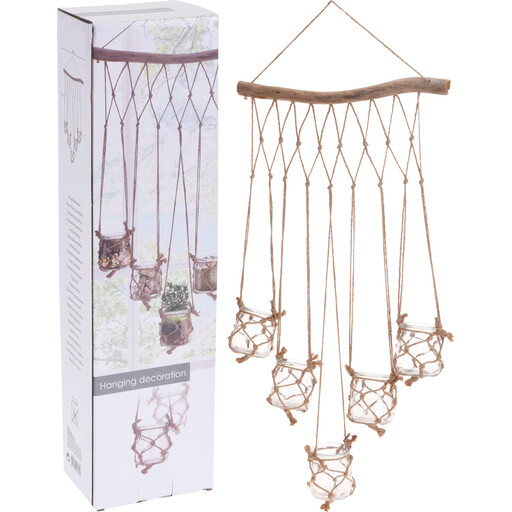
Why This Fits Their Persona: Perfect for creating a vertical garden oasis in a small space. This living wall decor combines rustic wood with delicate glass containers for a charming, natural look.
The wooden frame provides a solid, durable structure for the jars, unlike flimsy adhesive or unstable individual hangers. The dimensions are clearly designed for small plants like cuttings or air plants.
Combines storage and decoration. Ideal for propagating plants (as a glass propagation station) or displaying dried flowers.
We have compiled a complete, up-to-date list of products that fully meet these strict selection criteria and comply with current regulations.
Not necessarily. An indoor cachepot is primarily decorative. The plant itself should be in a separate, functional plastic pot with drainage holes. This inner pot is then placed inside the decorative cachepot. This method prevents waterlogging and allows excess water to collect in the cachepot, where it can be easily discarded.
A rule of thumb is that the new pot's diameter should be about 2-4 cm (1-1.5 inches) larger than the plant's root ball. For fast-growing plants, this can be 5-6 cm (2-2.5 inches). For visual proportion in a room: a large floor planter works well in an empty corner, while a small planter set is better showcased on a windowsill or side table.
For a hanging planter, lightweight materials are beneficial to avoid overloading the ceiling or wall mount. Plastics, lightweight metals, or special fibre composites are often a good choice. Ensure that the total weight (pot + moist soil + plant) does not exceed the load capacity of the suspension system.