
Lieferung heute & morgen

Qualitätsgarantie

Willkommens-Angebote freischalten: KOSTENLOSE Lieferung | Bis zu 80 % RABATT | Kostenlose 30-Tage-JoyPlus-Testphase
App herunterladen
A thoughtfully chosen planter can transform a room or garden. However, the selection is vast, and not every model delivers on its promise. As your Joybuy Product Recommendation Officer, I'll help you avoid common purchasing mistakes and find a planter that impresses both aesthetically and functionally.
Many buyers focus solely on design, overlooking crucial functional flaws. This often leads to disappointment and unnecessary expense. Pay special attention to these three pitfalls:
To avoid a bad purchase, you should check three technical aspects before making a decision. These determine the planter's durability, plant health, and practicality.
The choice of material is the most important decision and depends directly on the intended location.
Proper water drainage is vital for the survival of most plants.
The design should not only be appealing but also functional.
Here are some recommendations tailored to different needs and living situations.
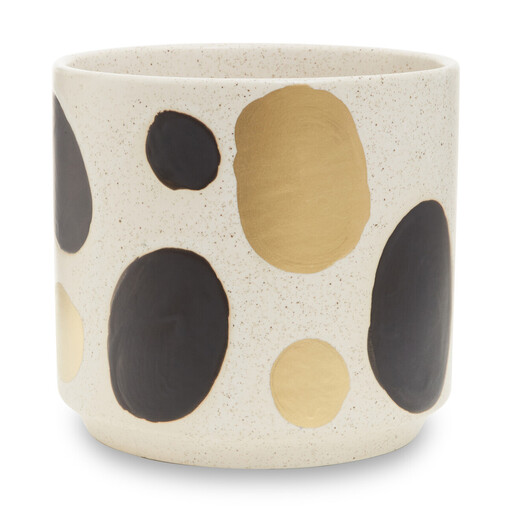
Why It's a Great Fit: Perfect for beginners looking to add a modern accent to a windowsill or shelf. Its compact size and simple design complement almost any interior style without being obtrusive.
Designed purely as a ceramic cachepot for indoor use, it bypasses the issue of poor weather resistance. It serves as a stylish cover for a functional inner pot with drainage.
Crafted from stoneware, its surface is durable and easy to clean. The minimalist black design is timeless and versatile.
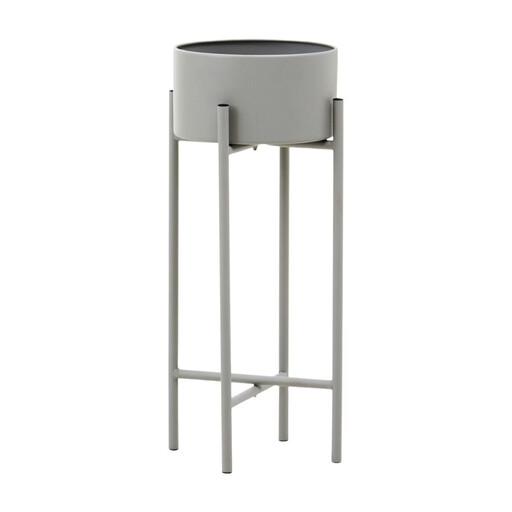
Why It's a Great Fit: This planter with a stand is perfect for making plants a focal point. The elevated design creates visual interest and fits perfectly into modern living spaces or offices.
The iron construction with crossed legs provides a stable base, preventing the wobbling often found in lower-quality stands. The pot and stand are designed as a single unit.
The material (100% iron) is durable and easy to maintain. The minimalist design doesn't distract from the plant but rather enhances its beauty.
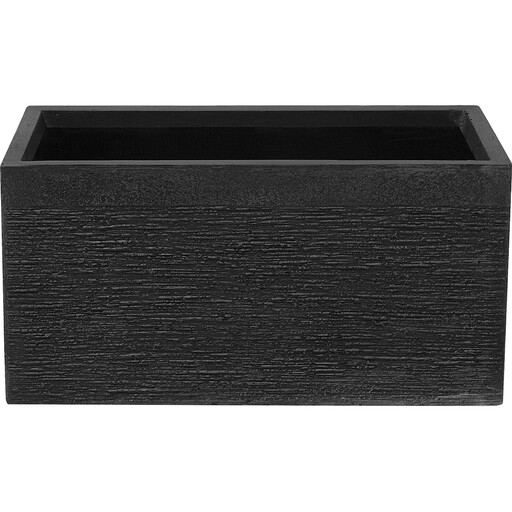
Why It's a Great Fit: Thanks to its elongated shape, this large planter is ideal as a room divider on a patio or as a planted privacy screen. It offers sufficient volume (42 L) for larger plants or arrangements.
The material (a blend of clay fibre, magnesium chloride, and fibreglass) is explicitly described as durable, UV-resistant, and weather-proof. Additionally, the planter comes with pre-drilled drainage holes, minimising the risk of waterlogging when used outdoors.
Its temperature resistance from -20°C to 40°C (according to manufacturer Beliani) makes it a reliable choice for year-round use as an outdoor planter.
We have compiled a comprehensive, up-to-date list of products that meet these strict selection criteria.
If you want to plant directly into an indoor planter without a drainage hole, a drainage layer at the bottom is essential. Add a 3-5 cm layer of expanded clay, gravel, or pottery shards before adding the soil. This layer creates a buffer where excess water can collect without directly damaging the roots. Always water sparingly.
For winter use, you need materials that are declared frost-proof. These include high-quality plastics, fibreglass, clay-fibre composites, and certain powder-coated metals. Simple terracotta or glazed ceramic can absorb water and crack in freezing temperatures. Always check the manufacturer's specifications for frost resistance.
No, this isn't always necessary and can make the planter unnecessarily heavy. For very tall containers, you can fill the bottom section with lightweight filler materials like styrofoam pieces or inverted smaller plastic pots. Place a layer of water-permeable landscape fabric over the filler before adding the potting soil. This saves soil, reduces the overall weight, and still provides ample root space.