
Lieferung heute & morgen

Qualitätsgarantie

Willkommens-Angebote freischalten: KOSTENLOSE Lieferung | Bis zu 80 % RABATT | Kostenlose 30-Tage-JoyPlus-Testphase
App herunterladen
Choosing the right planter can be more challenging than it first appears. An unsuitable container not only compromises aesthetics but can also stunt a plant's growth. Many buyers are drawn in by appealing product photos, overlooking critical functional flaws that only become apparent after a few weeks.
As a Joybuy Product Recommendation Officer, I analyse product data to provide you with objective decision-making tools. This guide focuses on the most common pitfalls and the key technical parameters you should check before making a purchase.
Marketing promises can often mask fundamental design flaws. Pay close attention to these three points to avoid disappointment:
To avoid a bad purchase, you should focus on objective, verifiable criteria. The following three parameters are crucial for the longevity of the product and the health of your plants.
A functional drainage system is non-negotiable. A good indoor planter has at least one, and preferably several, drainage holes at the bottom. This allows excess water to escape. Equally important is a matching saucer or drip tray that is large enough to catch the water without overflowing, protecting your floors and furniture from water damage. For a large planter outdoors, the holes ensure that rainwater can drain away, preventing the roots from sitting in water.
The choice of material should always be guided by the intended location.
The size of the planter must be appropriate for the plant. The diameter of the pot should be about 2-4 cm larger than the diameter of the plant's root ball. This gives the roots room to spread. For fast-growing or large plants, a large planter is a sensible choice from the outset to avoid frequent repotting. Rectangular planter boxes make more efficient use of space on windowsills or narrow balconies.
Here are some product suggestions that are well-suited for specific user profiles based on their specifications.

Why This Fits Their Persona: Ideal for users seeking a clean, modern aesthetic for their interiors. The rectangular design and matte black finish fit perfectly on windowsills or sideboards in minimalist-styled homes.
This model solves the drainage problem exceptionally well: it features two drainage holes and comes with a perfectly fitting, detachable ceramic tray. Waterlogging is actively prevented.
An all-in-one system of pot and saucer in the same design. The robust ceramic material ensures excellent stability.

Why This Fits Their Persona: Perfect for anyone who wants to do more than just place a plant on the floor, but rather stage it as a design object. This planter with a stand elevates the plant to an appealing eye level and becomes a focal point itself.
According to the manufacturer, the stand is made of 100% iron. The crossed-leg structure is designed for stability and counteracts the risk of a wobbly, unstable base.
The integrated design of the pot and stand creates a cohesive look. The elevated position improves air circulation around the plant.
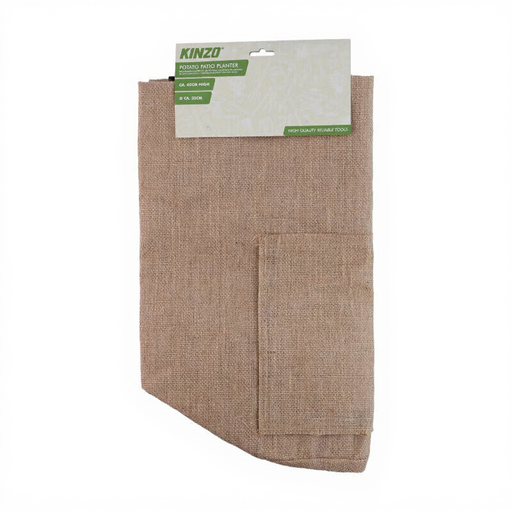
Why This Fits Their Persona: For users who want to grow their own vegetables in a small space like a balcony or patio. This product is specifically designed for growing potatoes and maximises the yield in a limited area.
The container is made of durable and lightweight PE material, which is suitable for outdoor use and does not become brittle quickly. The product description explicitly highlights excellent drainage and ventilation.
The low weight of only 330 grams makes it easy to move the planter bag. The generous volume provides ample space for a successful potato harvest.
We have compiled a complete, up-to-date list of products that fully meet these strict selection criteria and UK safety regulations.
As a rule of thumb, the new pot should be about 2 to 4 centimetres larger in diameter than the plant's current root ball. A pot that is too large can cause the soil to stay wet for too long, which in turn can promote root rot. A pot that is too small restricts root growth.
Yes, for almost all plants cultivated in soil, a drainage hole is essential. It is the only reliable method to prevent waterlogging. Decorative cachepots without holes should only be used as an outer shell for an inner pot that has holes. Any water that collects in the cachepot must be removed regularly.
For a planter box for balconies, materials like UV-resistant plastic (PE, PP), powder-coated metal, or fibre cement are good choices. These materials are weather-resistant and durable. Terracotta is also popular but is not always frost-proof and is heavier, which can be a factor for the balcony's load capacity.