
Lieferung heute & morgen

Qualitätsgarantie

Willkommens-Angebote freischalten: KOSTENLOSE Lieferung | Bis zu 80 % RABATT | Kostenlose 30-Tage-JoyPlus-Testphase
App herunterladen
Choosing the right planter can be a challenge. The selection is vast, and the needs of your plants, the location, and your personal style all need to be considered. Whether you want to add a touch of green to your living room, grow your own vegetables on the balcony, or care for succulents on the windowsill – the right container is crucial for the well-being of your plants and the aesthetics of your home.
This guide is designed to help you make an informed decision. We'll introduce various types of planters and provide practical criteria to help you find the perfect model for your needs.
Before you decide on a model, a few basic considerations are helpful. Material, size, and intended purpose are the most important factors that should influence your choice.
The material of a planter determines not only its appearance but also its functionality and durability, especially for outdoor use.
Another critical point is drainage. Almost all plants are sensitive to waterlogging, which leads to root rot. A hole in the bottom of the pot, allowing excess water to drain, is therefore essential in most cases.
The ideal planter depends on the plant and its location.
Based on functionality, material, and design, we have compiled a selection of different planters that cover a range of requirements.
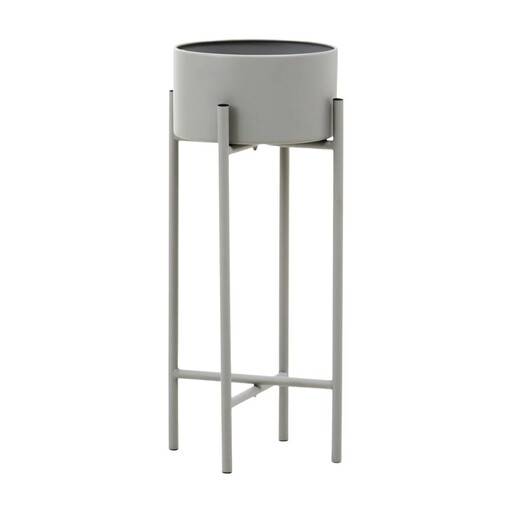
Why this product stands out This flower pot with a stand combines a minimalist design with functional elegance. The elevated position brings the plant into focus and makes floor maintenance easier without you having to bend down. The design blends seamlessly into modern living concepts.
Advantages
Who is it for? Ideal for those looking for a stylish indoor planter to showcase a single ornamental plant as a design accent in living rooms, offices, or entryways.
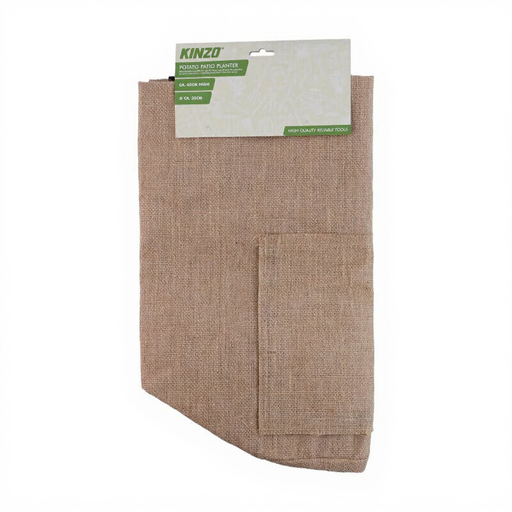
Why this product stands out This grow bag for vegetables is a practical solution for urban gardening. It allows you to grow potatoes in the smallest of spaces, like a balcony or a patio, without needing a traditional garden bed.
Advantages
Who is it for? Perfect for urban hobby gardeners who want to grow fresh vegetables on their balcony or patio. It is suitable for beginners and experienced gardeners looking for an efficient solution for growing tubers.
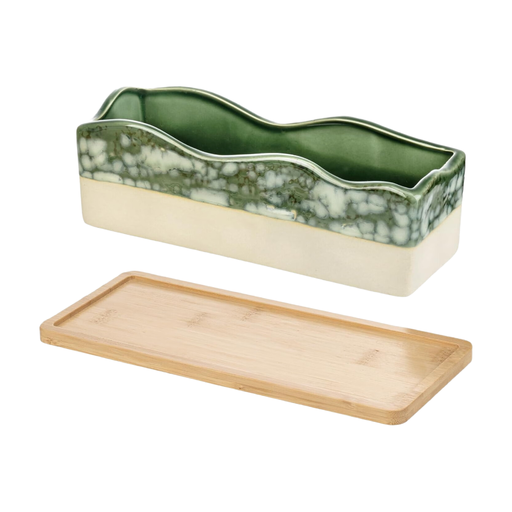
Why this product stands out This planter bowl for succulents blends modern design with thoughtful functionality. The combination of glazed ceramic and a bamboo saucer creates an organic yet elegant look, perfect for windowsills, desks, or shelves.
Advantages
Who is it for? Suitable for lovers of succulents, cacti, and herbs who are looking for a decorative and functional solution for indoor use. The design pairs well with modern and natural interior styles.
The products featured here cover specific use cases. If you are looking for other styles, sizes, or materials to enhance your garden, balcony, or living space, there are many more options to explore.
Browse our extended collection to find the perfect pot for every one of your plants. You can find a wider selection in our decorative garden pots category.
For outdoor use, weather- and frost-resistant materials are recommended. Plastic (PE), fiberglass, and powder-coated metal are low-maintenance and durable options. Terracotta or ceramic should be explicitly marked as "frost-proof" to prevent winter damage.
For most plants, a drainage hole is essential to prevent root rot from waterlogging. For decorative cachepots without a hole, you can use a smaller inner pot with drainage. Alternatively, a layer of expanded clay or gravel at the bottom of the pot can serve as a drainage layer, but this requires very controlled watering.
A common rule of thumb is that the new pot should be about 2 to 5 cm larger in diameter than the previous one. This gives the roots enough room to grow without the plant sitting in too much moist soil, which can inhibit root growth. For fast-growing plants, a slightly larger pot can also be chosen.