
Lieferung heute & morgen

Qualitätsgarantie

Willkommens-Angebote freischalten: KOSTENLOSE Lieferung | Bis zu 80 % RABATT | Kostenlose 30-Tage-JoyPlus-Testphase
App herunterladen
Choosing the right planter might seem like a simple decision, but the details determine whether your plants will thrive or if you've just wasted your money on a short-lived product. Many buyers focus on aesthetics, overlooking critical functional flaws that only become apparent after a few months. This guide will walk you through the most common pitfalls and what to look for to make an informed decision.
Before you invest in a new planter, you should be aware of the typical problems often hidden behind an attractive exterior.
To avoid these mistakes, focus on three core aspects that determine longevity and functionality.
The choice of material is the most critical decision and depends directly on the intended location.
The right size and a functional drainage system are crucial for plant health.
For a floor-standing planter with legs, the construction of the stand is paramount. Check that the legs are firmly attached to the pot (ideally screwed on) and made from a robust material like iron. A cross-brace design, as found on some models, can further increase stability and distribute the weight more evenly.
Here are some recommendations tailored to specific user profiles and the quality criteria mentioned above.
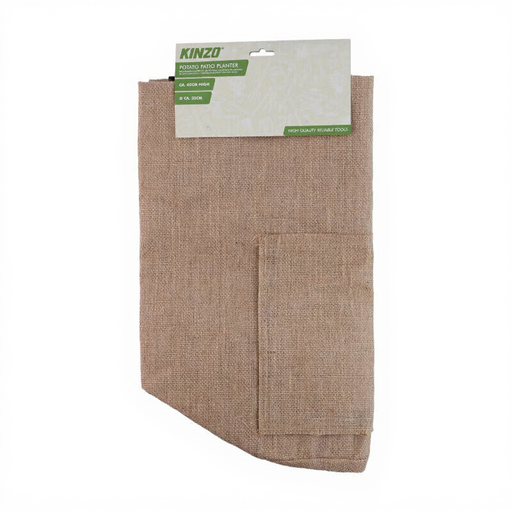
Why This Fits Their Persona: Ideal for growing vegetables like potatoes in small spaces. It fits perfectly on balconies or patios, making the dream of growing your own produce a reality, even without a garden.
The lightweight yet robust PE material is weather-resistant, and the design ensures good drainage and aeration, preventing waterlogging.
Very lightweight (330g), portable, and specifically designed for the successful cultivation of tubers.

Why This Fits Their Persona: For anyone seeking a planter that is both functional and aesthetically pleasing. The minimalist, matte black design complements modern interior styles and showcases succulents or herbs on windowsills and shelves.
It expertly solves the drainage problem with two drainage holes and a matching, detachable ceramic tray to protect furniture surfaces.
High-quality ceramic material and a well-designed, integrated drainage system in a modern, rectangular format.
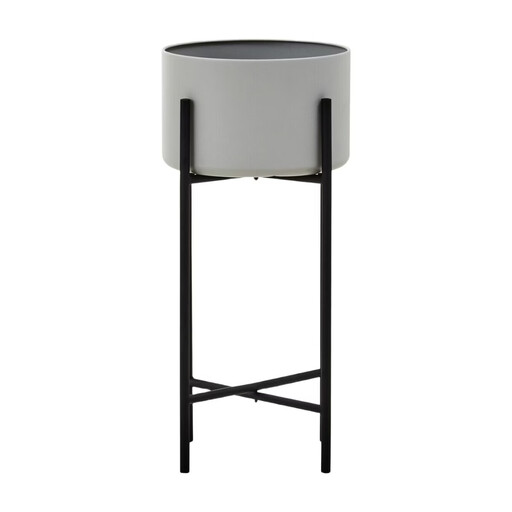
Why This Fits Their Persona: Perfect for larger houseplants that deserve a prominent spot in the room. This floor-standing planter elevates the plant, turning it into a true focal point.
The 100% iron stand with a cross-brace design offers high stability, preventing the wobbling common in lower-quality constructions.
The combination of a large planter and an elegant, sturdy metal stand creates a modern and commanding presence.
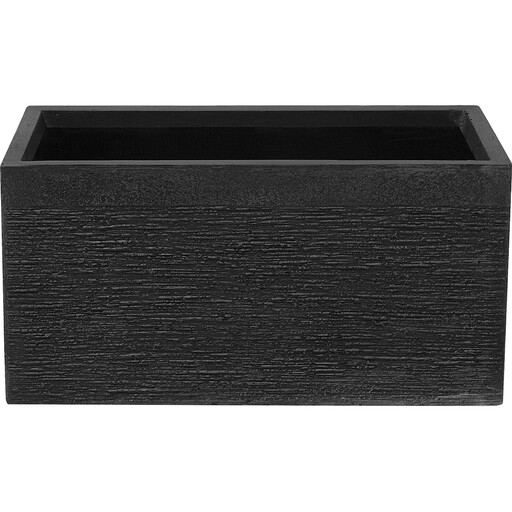
Why This Fits Their Persona: Ideal for flexibly designing patios or gardens. Its long, rectangular shape is excellent for use as a planted privacy screen or for structuring outdoor areas.
According to the manufacturer, the material (a fibre-clay composite) is UV-resistant and weatherproof from -20°C to 40°C. It also comes with pre-drilled drainage holes.
High weather resistance and a versatile shape that works for individual plants or as an outdoor space divider.
We have compiled a complete, real-time list of products that fully satisfy these strict selection criteria and UK safety regulations.
Making a planter without a drainage hole frost-proof is difficult, as freezing water expands and can shatter the material. The safest method is to drill a hole after purchase. If this isn't possible, fill the bottom 25% of the pot with a thick layer of expanded clay pebbles or gravel to act as a drainage layer before adding soil. This reduces the risk of waterlogging but doesn't eliminate it entirely. In winter, such a planter should be moved to a sheltered location.
For a large outdoor planter, materials like fibreglass, high-quality PE plastic, or powder-coated metal offer an excellent combination of durability, weather resistance, and relatively low weight. Special fibre-clay composites are also a robust choice, provided they are explicitly declared as frost-proof.
Yes, or alternatively, a waterproof cachepot (decorative outer pot). A saucer is essential for catching excess water that drains from the hole. This protects wooden floors, carpets, and furniture from unsightly water stains and damage. Models that have a matching, detachable drip tray already integrated into the design are particularly practical and visually appealing.