
Lieferung heute & morgen

Qualitätsgarantie

Willkommens-Angebote freischalten: KOSTENLOSE Lieferung | Bis zu 80 % RABATT | Kostenlose 30-Tage-JoyPlus-Testphase
App herunterladen
As a Joybuy Product Recommendation Officer, I see every day how a well-chosen planter significantly influences not only a room's aesthetic but also the plant's health. However, the selection is vast, and not every product delivers on its promise. Before you make a decision, it's important to know the common pitfalls that often lead to disappointment.
Many buyers focus exclusively on design, overlooking fundamental functional flaws. Three typical problems repeatedly lead to poor investments:
To avoid these mistakes, you should base your purchasing decision on objective criteria. Three parameters are of central importance.
The choice of material affects the planter's durability, weight, maintenance, and potential location.
The size of the planter must suit the plant. A pot that is too small restricts root growth, while an oversized pot can cause the soil to stay wet for too long. As a rule of thumb, the new pot should be about 2-4 cm larger in diameter than the old one. For fast-growing or large plants, a large planter or a large cachepot may be a sensible choice from the start to avoid frequent repotting.
A healthy plant life starts at the bottom of the pot. A flower pot with a drainage hole is essential to allow excess water to escape. If such a pot is placed in a sealed cachepot, the water that collects in the cachepot must be removed regularly. Alternatively, pots with integrated saucers are available to catch the water and protect surfaces.
Here are some product suggestions tailored to specific user profiles and the criteria mentioned above.
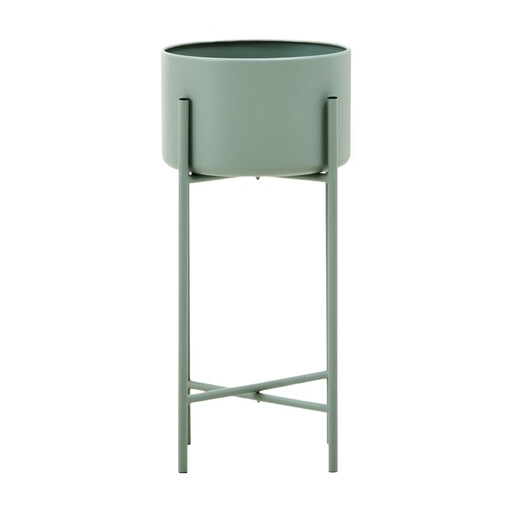
Why This Fits Their Persona: Ideal for those looking for an indoor planter that functions as a standalone piece of furniture. The modern design and elevated position on the metal plant stand stylishly showcase medium-sized houseplants.
The crossed-leg iron construction ensures high stability, avoiding the wobble problem. The pot serves as a cachepot for a separate inner pot with drainage, effectively preventing waterlogging.
Combines a stylish planter design with a functional, stable structure. The material (iron) is durable and low-maintenance for indoor use.
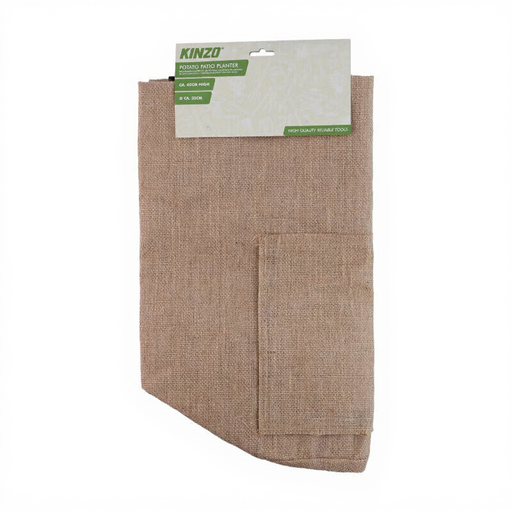
Why This Fits Their Persona: Perfect for anyone who wants to grow their own vegetables on a balcony or patio. This potato pot for the balcony is specifically designed for growing tubers in a limited space.
The material (PE fabric) is weather-resistant and suitable for outdoor use, thus bypassing the material failure trap. The design actively promotes drainage and aeration, which prevents root rot.
Lightweight, space-saving, and functional. It enables a rich harvest in the smallest of spaces thanks to a thoughtful, purpose-built design.

Why This Fits Their Persona: For users who prioritize functionality above all else. This rectangular succulent pot is also suitable for herbs or small flower arrangements and directly solves the biggest problem in plant care.
This product is the direct answer to the waterlogging trap. It features two integrated drainage holes and a matching, detachable drip tray. The system is designed from the ground up for healthy watering.
A complete, well-thought-out system. The pot with a drainage hole and saucer protects furniture from water stains while ensuring optimal conditions for the plant's roots.
We have compiled a complete, up-to-date list of products that fully meet these strict selection criteria and current regulations.
The diameter of the new pot should be about 2 to 4 centimeters larger than the plant's root ball. This gives the roots enough room to grow without the soil staying wet for too long. For very fast-growing plants, a slightly larger pot can also be chosen.
For direct planting, a pot with a drainage hole is essential to prevent root rot. Decorative pots without holes, known as cachepots, are intended to hold a simple plastic nursery pot (with holes). In this case, you must remove excess water from the cachepot after watering.
For year-round outdoor use, frost-proof materials are crucial. High-quality plastic (PE), fiberglass, or special ceramics declared as frost-proof are good options. Classic terracotta or porous ceramic pots can absorb water, which freezes in winter and can crack the material.