
Lieferung heute & morgen

Qualitätsgarantie

Willkommens-Angebote freischalten: KOSTENLOSE Lieferung | Bis zu 80 % RABATT | Kostenlose 30-Tage-JoyPlus-Testphase
App herunterladen
Choosing the right planter often seems like a purely aesthetic decision. But behind the facade of shape and colour lie functional pitfalls that can not only strain your wallet but also jeopardise the health of your plants. As a Joybuy Product Recommendation Officer, I analyse product features daily and help you separate the wheat from the chaff. In this guide, I'll show you the three most common purchasing errors and what you need to look out for to find a durable and suitable solution for your home or balcony.
Many decorative planters are optimised for the showroom, not for practical use in UK climate conditions. Pay attention to these three critical points:
planter with a stand or a tall, narrow large planter. A wobbly base or a poor centre of gravity can quickly become a hazard on a windy balcony or in a living room with playing children or pets.To avoid a bad purchase, you should check three technical aspects before making a decision. These determine longevity and functionality.
The material is the most important factor for the intended location.
Outdoor Planter): Materials like fibreglass, high-quality plastic (PE), or stoneware certified as frost-proof are a good choice. Iron is robust but may require rust protection depending on the alloy. A balcony planter should also not be too heavy, so as not to overload the structural capacity.Indoor Planter): You have more freedom here. A Ceramic Flower Pot or models made of metal and wood are popular. With wood, ensure there is an internal sealant to prevent rot from watering. A Modern Flower Pot made of metal or polished stoneware makes a clear statement.A functional drainage system is non-negotiable. Check whether the planter has at least one drainage hole. If not, it is a cachepot, which only serves as a decorative cover for an inner pot with holes. In this case, ensure that excess water can be removed from the cachepot. For special containers like a potato pot, good aeration and drainage are crucial for the harvest.
The size of the planter must match the plant's root ball. As a rule of thumb, the new pot should be 2-4 cm larger in diameter than the old one. A pot that is too large can cause the soil to stay wet for too long. For tall containers or those with a stand, the ratio of height to base area is critical for stability against tipping.
Here are some recommendations tailored to specific needs and living styles.
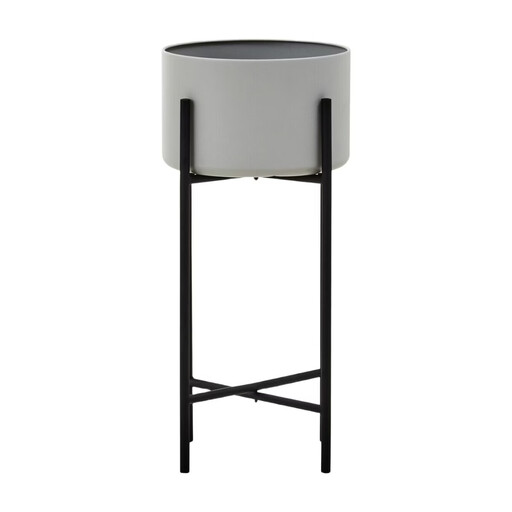
Why This Fits Their Persona: Ideal for those who want to make a clean, modern statement in their living space. The elevated design brings the plant into focus and blends seamlessly into contemporary interior styles.
The crossed frame made of 100% iron ensures high stability, avoiding the stability trap that is a common problem with many cheaper planters with stands.
High-contrast, modern design; elevates the plant to eye level; robust metal construction.
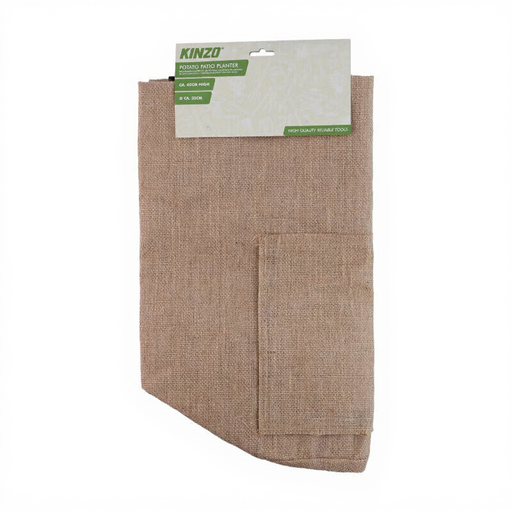
Why This Fits Their Persona: Perfect for urban gardening beginners who want to grow their own vegetables on a balcony or patio. The focus here is clearly on function and yield in a small space.
This product solves the drainage dilemma through its material and design. The PE material and its construction are engineered for excellent drainage and aeration to prevent waterlogging.
Very lightweight (only 330g); optimised for potato growing; space-saving and ideal for balconies.
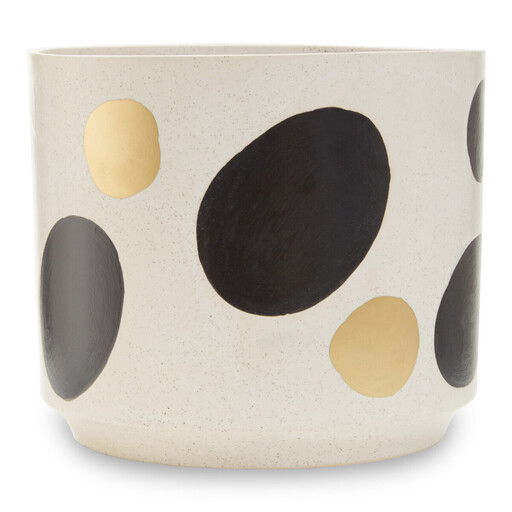
Why This Fits Their Persona: For anyone looking for a decorative and high-quality statement piece. The handcrafted feel and the materiality of ceramic (stoneware) enhance any room and create a warm atmosphere.
This model, made of high-quality stoneware, is designed for indoor use, thus avoiding the frost trap. According to the manufacturer, it features a drainage hole, which prevents waterlogging.
Elegant, speckled design; durable ceramic material; integrated drainage hole for plant health.
We have compiled a complete, up-to-date list of products that fully meet these strict selection criteria and applicable standards.
The most important step is to choose a material certified as frost-proof. Additionally, you should ensure the drainage hole is clear to prevent water from freezing inside. Raise the planter on small "feet" to avoid contact with the frozen ground. For very sensitive materials, a covering of jute or fleece can provide extra protection.
A planter that you plant directly into absolutely needs a hole for drainage. A cachepot is a purely decorative cover without a hole. You place a smaller plastic pot with holes inside it. After watering, it is essential to pour out any excess water that collects in the cachepot.
For a balcony, weight is a critical factor. Lightweight materials like plastic (PE), fibreglass, or polyrattan are often a good choice. They are weather-resistant and place less strain on the balcony's structural load than heavy planters made of concrete or solid stoneware. Nevertheless, ensure good stability, especially in windy locations.