
Lieferung heute & morgen

Qualitätsgarantie

Willkommens-Angebote freischalten: KOSTENLOSE Lieferung | Bis zu 80 % RABATT | Kostenlose 30-Tage-JoyPlus-Testphase
App herunterladen
Choosing the right planter might seem like a simple decision, but the details determine whether your plants will thrive or perish. Many buyers focus on aesthetics, overlooking critical functional flaws that only become apparent after a few months. This guide reveals the most common pitfalls and highlights the core features you should look for to make an informed decision.
Before you invest, it's important to understand common problems that are often masked by marketing promises.
To avoid a bad purchase, focus on three verifiable criteria: material, drainage, and size.
The material affects weight, durability, and maintenance. Each has specific advantages and disadvantages that must suit the intended location.
Functional drainage is non-negotiable. One or more sufficiently large holes at the bottom of the planter are mandatory to allow excess irrigation or rainwater to escape. For indoor use, use a matching saucer. For planters without a hole, a drainage layer of expanded clay or gravel must be added at the bottom to protect the roots from direct contact with standing water—a temporary fix that cannot fully replace a drainage hole.
The right size is crucial for plant health. A pot that is too small restricts root growth and dries out quickly. A pot that is too large can cause the soil to stay wet for too long. A rule of thumb is that the new pot should be about 5–10 cm larger in diameter than the plant's current root ball. Also, consider the growth habit: deep-rooting plants need taller containers, while shallow-rooting plants do well in wider, bowl-shaped planters.
Here are some models tailored to specific needs and lifestyles that meet the criteria mentioned above.
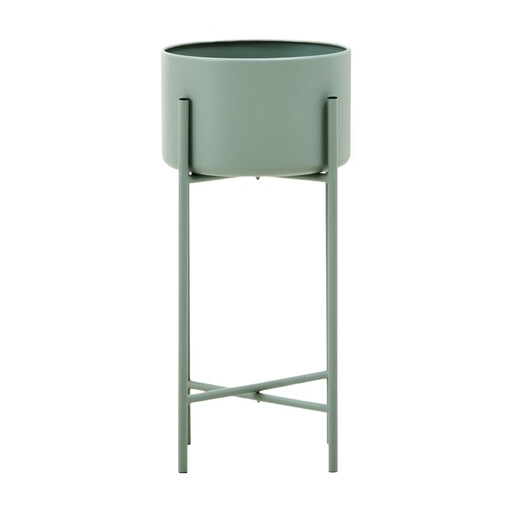
Why This Fits Their Persona: Ideal for modern apartments or sheltered balconies. The minimalist design and elevated position on a metal stand blend seamlessly into contemporary interior styles and make floor cleaning easier.
The stand, made of four iron legs with a cross-brace, provides a stable base and counteracts the problem of unstable constructions. The planter itself acts as a cachepot, allowing drainage to be controlled individually via the inner pot.
Elevated, modern design. The construction of 100% iron is designed for durability indoors or in sheltered outdoor areas.
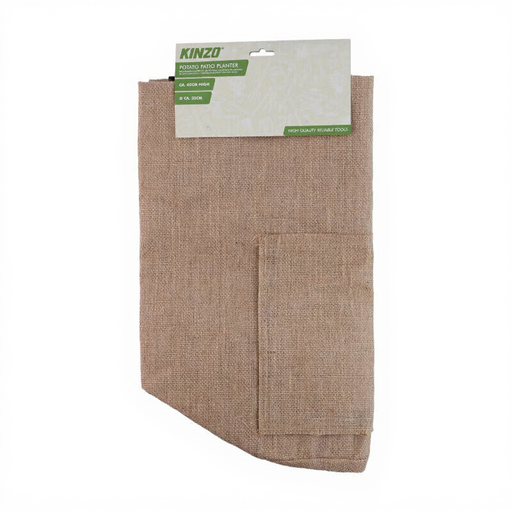
Why This Fits Their Persona: Perfect for growing vegetables in small spaces like a balcony or patio. This product is specialised for one function: successfully growing potatoes without a garden bed.
The design is function-oriented and directly addresses the drainage problem. According to the manufacturer, it provides excellent drainage and aeration, which is crucial for the root growth of tuber vegetables.
Made from lightweight PE material (330g), which makes it easy to handle and position on a balcony. The generous volume (? 35 cm, H 45 cm) provides ample space for a good harvest.
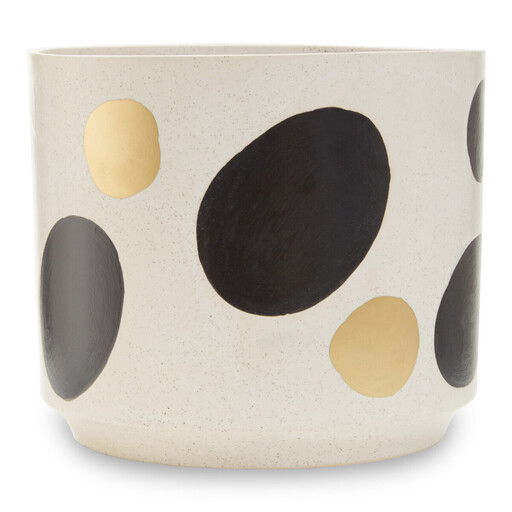
Why This Fits Their Persona: For anyone looking for a decorative and high-quality flower pot for indoor use. The speckled look with gold accents makes it a standalone decorative object.
This model, made of stoneware, is robust and durable, avoiding the material pitfalls of cheaper alternatives. According to the manufacturer, the planter has a drainage hole to prevent waterlogging.
The handcrafted feel and striking design enhance any room. The material is easy to care for and can be cleaned with a soft cloth.
We have compiled a complete, up-to-date list of products that fully meet these strict selection criteria and applicable regulations.
Base your choice on the plant's expected final size. As a general guideline, the new planter should be about 5 to 10 cm larger in diameter than the current root ball. This gives the roots enough room to grow without the soil staying wet for too long.
Yes, this is essential for almost all plants outdoors. A drainage hole prevents waterlogging from rainwater, which can lead to root rot. For planters without a hole, a thick drainage layer of gravel or expanded clay at the bottom is a possible but less reliable alternative.
Lightweight materials are often the preferred choice here to minimise the structural load on the balcony. Planters made of high-quality, UV-resistant plastic or flexible PE fabric grow bags are very suitable due to their low weight. Nevertheless, always check the maximum permissible load capacity of your balcony.