A planter is more than just a container for soil and plants. It is a design element that significantly influences a room's aesthetic while also needing to meet functional requirements. Selecting the right model depends on a range of objective criteria, including the material, size, intended location, and the specific needs of the plant. An informed decision is based on an analysis of these technical parameters.
Buyer's Guide: What to Consider When Choosing
The choice of a plant pot should be based on an objective assessment of material properties, dimensions, and functional details.
Material Analysis
The material determines not only the aesthetics but also the weight, durability, and maintenance requirements of a planter.
- Ceramic and Stoneware: Due to their porous structure and inherent weight, these materials are particularly suitable for indoor use. A ceramic flower pot offers excellent stability and can help regulate soil temperature thanks to its insulating properties. The surfaces can be glazed or unglazed, which affects water absorption and cleaning. Glazed surfaces are waterproof and easy to maintain.
- Metal (e.g., Iron): Metal planters, often made of powder-coated iron or steel, are characterized by high stability and a modern appearance. They are robust and ideal for a modern planter in a minimalist or industrial style. When used outdoors, an adequate coating is essential to prevent corrosion. The material is non-porous and retains moisture in the substrate for longer.
Size and Proportions
The planter's dimensions must be appropriate for both the plant and the space.
- Root Space: The inner diameter of the pot should be approximately 2-5 cm larger than the diameter of the plant's root ball. This gives the roots enough room to expand without leaving too much unused, wet substrate, which can lead to root rot.
- Location: A large planter works well as a freestanding statement piece to showcase large plants like a Monstera or a Bird of Paradise. Smaller pots can be placed on windowsills, shelves, or side tables. The planter's proportions should harmonize with its surroundings.
Functional Aspects: Drainage and Location
A crucial technical detail is the presence of a drainage hole.
- Planter vs. Cachepot: A planter, in the strict sense, has a hole in the bottom to allow excess water to drain away. This is essential for the health of most plants. A cachepot, on the other hand, has no opening and serves as a decorative cover for a simpler inner pot that has drainage.
- Location: For outdoor use, materials must be frost- and UV-resistant. For an indoor planter, these criteria are less critical; here, the focus is on design and compatibility with the interior decor.
Our 2026 Selection
The following products have been selected based on their material specifications, design, and practical utility for specific use cases.
Premier Housewares Small Garden Pot, Ceramic Planter
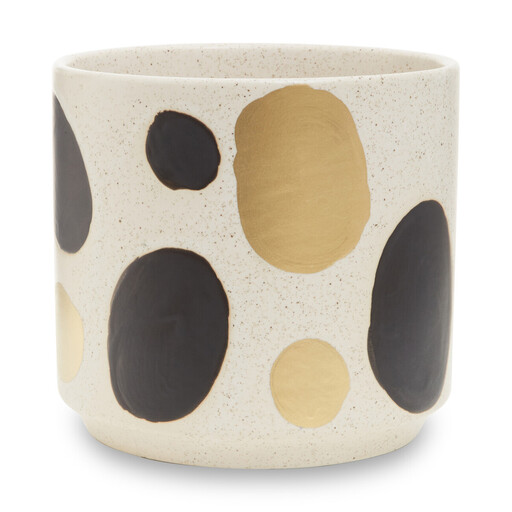
- Why we recommend this product: This stoneware model combines a minimalist design with functional features. Its dimensions (H14 x D14 x W14 cm) make it a versatile option for smaller houseplants on tables or shelves. The stoneware material provides adequate weight and stability.
- Pros:
- Sturdy construction made of 100% stoneware.
- Smooth surface allows for easy cleaning with a soft cloth.
- The simple, black design is compatible with many interior styles.
- Who it's for: Those looking for a timeless and functional ceramic flower pot for small to medium-sized houseplants who value an understated design.
Premier Housewares Gold Speckled Ceramic Planter
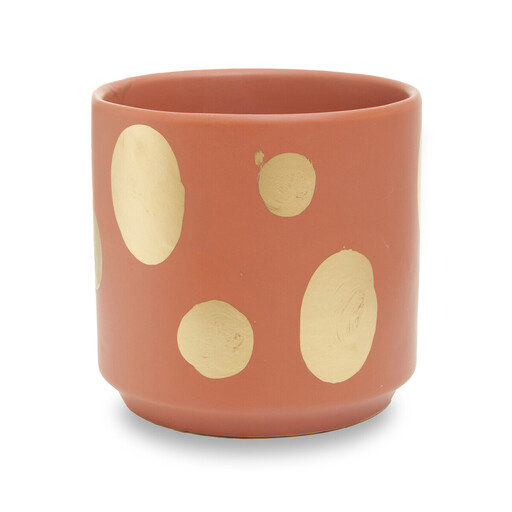
- Why we recommend this product: This designer flower pot stands out with its unique aesthetic. The terracotta base is finished with gold speckles, creating a striking visual accent. According to the manufacturer, this model includes a drainage hole, making it a functional planter and not just a cachepot.
- Pros:
- Eye-catching design with a terracotta finish and gold accents.
- Crafted from durable stoneware.
- Integrated drainage hole to prevent waterlogging.
- Who it's for: Individuals seeking a decorative planter that functions as a standalone design object while also meeting horticultural requirements.
Premier Housewares Contemporary Design Large White And Black Floor Standing Planter
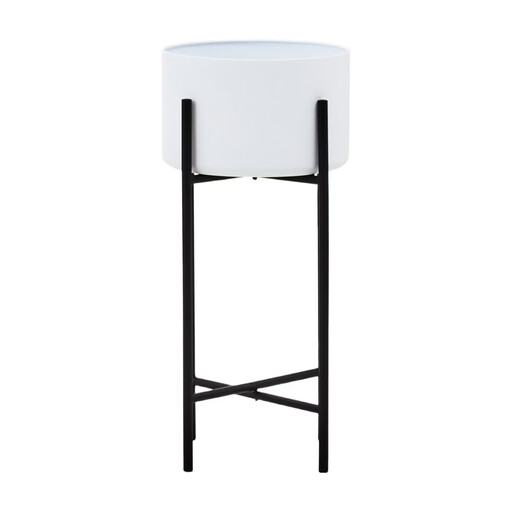
- Why we recommend this product: This model is a combination of a planter and a stand. The white iron pot is supported by a black, crossed iron frame. With a height of 55 cm and a diameter of 28 cm, this large planter is ideal for floor placement, elevating the plant to a more prominent eye level.
- Pros:
- Elevated plant positioning thanks to the integrated stand.
- Stable and durable construction made of 100% iron.
- Clean, two-tone design that complements modern interior styles.
- Who it's for: Users who want to showcase a larger plant as a focal point in a room and prefer a modern, floor-standing solution.
More Options and Alternatives
The models presented here cover specific use cases. For a broader overview of different materials, sizes, and designs, the entire collection of planters can be a useful resource. You can find a comprehensive selection in our Garden Plant Pots category.
Frequently Asked Questions (FAQ)
1. What is the difference between a planter and a cachepot? The primary technical difference is the presence of a drainage hole. A planter has at least one opening at the bottom to allow excess water to drain, which prevents root rot. A cachepot is a purely decorative vessel with no hole, designed to hold a plant pot that has drainage. It catches the runoff water.
2. What is the best material for an indoor planter? For an indoor planter, materials like ceramic, stoneware, metal, or high-quality plastics are all excellent choices. Ceramic and stoneware offer good stability and a classic look. Metal has a modern feel and is very durable. The choice depends on aesthetic preferences and maintenance requirements.
3. How do I choose the right size for a flower pot? As a rule of thumb, the new pot should be 2 to 5 centimetres larger in diameter than the plant's current root ball. A pot that is too large can cause the substrate to stay wet for too long, as the roots cannot absorb the water quickly enough. A pot that is too small restricts root growth and inhibits the plant's development.

