
Lieferung heute & morgen

Qualitätsgarantie

Willkommens-Angebote freischalten: KOSTENLOSE Lieferung | Bis zu 80 % RABATT | Kostenlose 30-Tage-JoyPlus-Testphase
App herunterladen
Planters and flower pots don't just shape the look of your living spaces, balconies and patios. They also affect how easily you can water, move and care for your plants in the long run. A decorative container can quickly become impractical if its size, material or drainage doesn't suit where you plan to put it.
A striking standing plant pot might look right in the shop or in product photos, but at home it can take up more space than you expected. Particularly in narrow hallways, small balconies or on windowsills, you should check the height, footprint and weight. A delicate stand can also be more prone to tipping over once the pot is filled with damp soil.
With an indoor and outdoor plant pot, specific details about UV resistance, water resistance and temperature range are crucial. If this information is missing, don't leave the container outdoors permanently without checking first. Even a model labelled as an outdoor planter needs a level, stable surface and may require extra protection during winter.
A plant pot with a drainage hole lets excess water escape. Without drainage, moisture can build up in the lower section. This is especially problematic for houseplants, succulents and herbs if the pot is watered regularly. If you're using a decorative outer pot without a hole, you should use a suitable inner pot. However, a drainage hole alone doesn't replace the right soil or a proper watering routine.
First, measure the space where you plan to put the pot. Compact containers work well on windowsills or desks, while a rectangular planter can be used as a room divider or boundary on a patio. Pay attention to:
A 42-litre container can be considerably heavier when filled than its empty weight. For balconies, you should therefore check the maximum load capacity of your location.
A ceramic plant pot looks decorative indoors and holds its shape well if handled carefully. However, ceramic is prone to chipping. A matt black ceramic flower pot suits modern, minimalist interiors, but should be placed on a level surface with enough distance from the edge of a table.
For outdoor areas, manufacturer details about UV and weather resistance are important. The Beliani MYRA, for example, uses a clay-fibre blend with magnesium chloride and fibreglass. The manufacturer states UV resistance and a temperature range of -20 °C to 40 °C. These are specific product details, but they don't replace the instructions for winter storage and safe positioning.
Metal models can offer a distinctive look. The Trosa model from Premier Housewares is made entirely of iron. The care instructions are limited to wiping with a damp cloth; abrasive cleaners should be avoided. For permanent outdoor use, buyers should therefore check the care and location information for the specific product.
Check whether the container has a drainage hole, multiple openings, a plug or a removable drip tray. With some outdoor planters, a pre-formed opening needs to be drilled out first. The ABDERA model has such an opening, and a stopper is included. This means the container can be used either as a decorative outer pot or as a planting pot with drainage.
On delicate furniture surfaces, a drip tray is practical. You should empty it after watering so that excess water doesn't sit in the pot permanently.

Why this product suits the profile: The compact green planter is 51 cm high and 23 cm wide and deep. This makes it suitable for smaller living areas and selected corners. The crossed four-leg stand requires assembly.
The dimensions are clearly stated, so you can check the required footprint before buying. The care instructions (wipe with a damp cloth) are also clearly described.
Compact footprint; iron frame with four legs; modern, minimalist appearance.
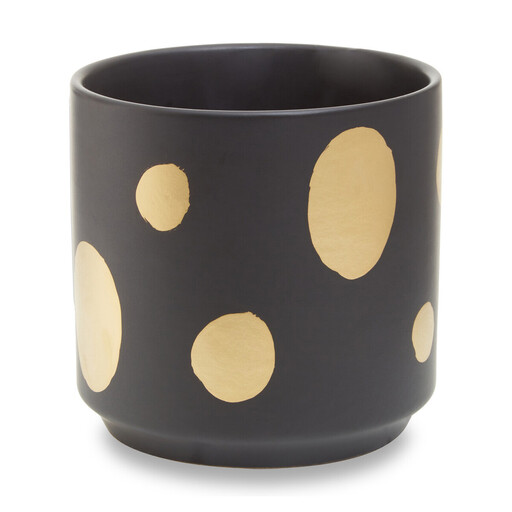
Why this product suits the profile: The black ceramic plant pot measures approximately 14 × 14 × 15 cm and is ideal for desks, shelves or compact plant arrangements.
The compact dimensions prevent misjudging the space needed on small surfaces. The care instructions mention a soft cloth and avoiding abrasive cleaners.
Stoneware construction; black finish with metallic-looking round accents; supplied assembled.
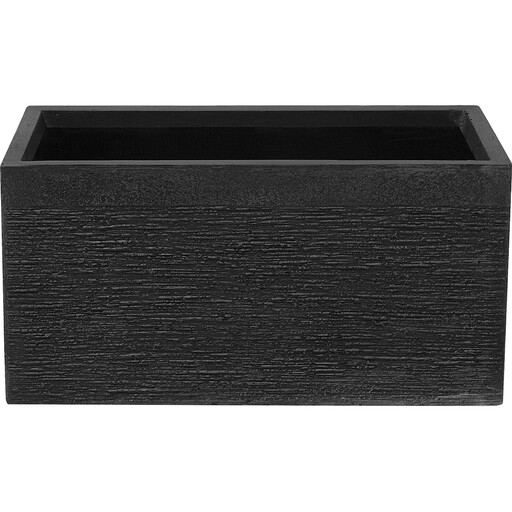
Why this product suits the profile: The rectangular planter with a 42-litre capacity can be used as a room divider indoors or as a planted privacy screen on the patio.
Two base openings are provided, and the manufacturer advises using a liner or foil. Details about UV, water and temperature resistance are documented.
60 cm length; two drainage openings; according to product details, UV-resistant and rated for -20 °C to 40 °C.

Why this product suits the profile: The rectangular container measuring 25 × 12 × 10 cm is designed for succulents, small herbs and several compact plants on a windowsill or desk.
Two drainage openings and a removable ceramic drip tray are included. This reduces the risk of watering water reaching furniture or the windowsill directly.
Matt black ceramic; two drainage openings; separate drip tray included.
We've put together a full, regularly updated list of products that fully meet these strict selection criteria and the safety regulations in force in the EU.
For cuttings or propagating small plants, a glass propagation station can be more practical than a classic plant pot. The Mushroom Plant Terrarium Set contains five hand-blown glass vases in various mushroom shapes and sizes. The containers can be used for cuttings, hydroponics or individual cut flowers. As glass is delicate, the vases should be cleaned carefully by hand and placed on a stable surface.
If you're looking for a tall, round plant pot, consider the Beliani ABDERA at 31 × 31 × 58 cm with a 31-litre capacity. The pre-formed, drillable opening and the included stopper allow flexible use indoors and outdoors. Colour and pattern variations between individual models are possible, according to the product description.
No. A decorative outer pot can deliberately be used without drainage if it contains a separate inner pot. For directly planted containers, a drainage option is usually more practical, provided excess water can be collected or channelled away in a controlled manner.
That depends on the location, temperature and how much care you're willing to give. For outdoor planters, you should look for specific details about UV resistance, water resistance and temperature range. Ceramic works well in sheltered areas but is prone to chipping. Materials with stated weather resistance are easier to assess for exposed locations.
There's no one-size-fits-all answer to lifespan. It depends on material quality, load, frost, UV radiation, water drainage and care. Always place each container securely to prevent tipping, avoid overfilling, and follow the manufacturer's instructions for cleaning and winter storage.