
Lieferung heute & morgen

Qualitätsgarantie

Willkommens-Angebote freischalten: KOSTENLOSE Lieferung | Bis zu 80 % RABATT | Kostenlose 30-Tage-JoyPlus-Testphase
App herunterladen
Choosing the right planter often seems like a purely aesthetic decision. However, the disappointment is immense when an expensive, modern planter cracks after the first winter, or a carefully selected plant dies from waterlogging. Many buyers fall into traps set by clever marketing or insufficient product information. Before you make a decision, you should understand the most common problems to make a durable and functional choice.
The 3 most common mistakes when buying planters:
To avoid these pitfalls, it's helpful to focus on a few critical technical features. These define the longevity and functionality of a planter far more than its design alone.
The material determines not only the look but also the location of use and the lifespan.
Functional drainage is non-negotiable. Before buying, check if the container has drainage holes at the bottom. For indoor planters, a matching saucer or a cachepot that holds a simpler nursery pot with holes is a clean solution. Some models come with an integrated removable liner, which significantly simplifies planting and care.
Don't just compare the external dimensions (height x width x depth); look for the volume specification in litres. This indicates the actual space available for your plant's roots. An oblong planter is excellent as a room divider or privacy screen, while round, decorative flower pots create targeted accents.
Instead of making a one-size-fits-all recommendation, we have identified products that meet specific requirements and deliberately avoid the pitfalls mentioned earlier.
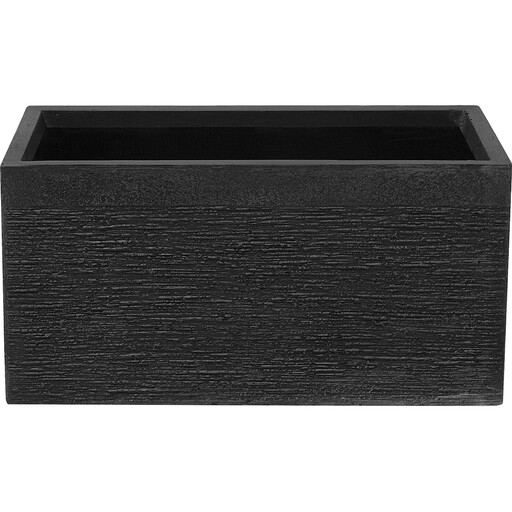
Why this product is a great fit: Ideal for users seeking a robust and versatile planter for a balcony or patio. The rectangular shape works well as a divider or for planting multiple herbs or flowers.
According to the manufacturer, the clay-fibre composite is rated for temperatures from -20°C to 40°C, making it explicitly suitable for outdoor use. Furthermore, drainage holes are already present, which prevents waterlogging.
The container offers a substantial planting volume of 42 litres at a moderate weight (9 kg), which makes handling it on a balcony easier.

Why this product is a great fit: Perfect for anyone who wants to integrate a plant as a design object into their home. The plant stand elevates the plant to eye level and seamlessly blends into modern interiors with its minimalist style.
This planter is clearly designed for indoor use, which prevents false expectations about weather resistance. Used as a cachepot without a hole, it requires a separate inner pot with drainage, ensuring control over watering.
The combination of pot and stand forms an aesthetic unit. The crossed iron frame provides a stable base and an elegant, floating appearance.
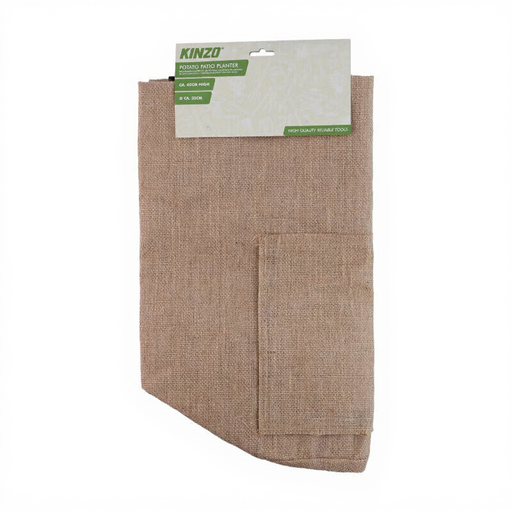
Why this product is a great fit: For aspiring gardeners who want to grow their own vegetables in a small space, like a balcony. This product is specifically designed for growing potatoes and maximises yield on a minimal footprint.
This product focuses on pure functionality. The PE material is lightweight and weather-resistant, and the design is optimised for good drainage and aeration—crucial for root vegetables to thrive.
The generous dimensions (35 cm diameter, 45 cm height) provide ample space for a bountiful harvest. The low weight of just 330 grams makes the planter bag extremely portable.
We have compiled a complete, up-to-date list of products that fully meet these strict selection criteria and current regulations.
1. What is the best material for large outdoor planters? For a large outdoor planter, materials like a high-quality clay-fibre composite (fiberclay), UV-resistant polyethylene plastic (PE), or metal (e.g., Corten steel) offer a good balance of durability, weather resistance, and weight. Pure ceramic can crack in frost unless it is explicitly designated as "frost-proof."
2. How do I winter-proof an outdoor planter without a drainage hole? It is generally not recommended to overwinter planters without drainage holes outdoors, as water can collect and shatter the container in a frost. If it's unavoidable, drill holes after the fact or use the container only as a cachepot for an insert with drainage. Additionally, ensure it's in a sheltered location and cover the soil to prevent excess moisture.
3. Does every planter need an inner pot? No, not necessarily. An inner pot is mainly useful in two scenarios: 1. In decorative flower pots for indoor use without their own drainage hole, to prevent waterlogging. 2. To make planting and cleaning the outer pot easier. For outdoor planters with adequate drainage, direct planting is common and often even beneficial for root growth.