
Lieferung heute & morgen

Qualitätsgarantie

Willkommens-Angebote freischalten: KOSTENLOSE Lieferung | Bis zu 80 % RABATT | Kostenlose 30-Tage-JoyPlus-Testphase
App herunterladen
By the Joybuy Product Recommendation Officer, August 28, 2026
Plastic dinnerware is a practical solution for many situations, from family meals in the garden to picnics in the park and large parties. It's lightweight, often reusable, and, most importantly, shatterproof. However, the market is crowded, and not every product lives up to its promise. Before you invest in a new set, it's crucial to understand the most common weaknesses that can quickly turn a seemingly good purchase into a disappointment.
Many buyers report similar problems: dinnerware advertised as "dishwasher-safe" warps after just a few cycles, intensely coloured foods leave stubborn stains, or the material unexpectedly becomes brittle and cracked. These defects are not only annoying but can also compromise food safety. This guide will help you navigate these pitfalls and make an informed decision.
To separate the quality products from the rest, you shouldn't be guided by marketing promises but by verifiable facts. Three core parameters are decisive.
The term "plastic" is a catch-all for a wide variety of synthetic materials with different properties. For dinnerware, two are particularly relevant:
These two properties are fundamental but are often misunderstood.
A good plastic dinnerware set is distinguished by its thoughtful design. Stackability saves valuable space in a cupboard or camper van. A low weight is crucial for picnic dinnerware. Divided plastic plates help with portion control and prevent different foods from mixing—ideal for kids or at buffets.
Instead of making a one-size-fits-all recommendation, we have identified products that are tailored to specific use cases and meet the criteria mentioned above.
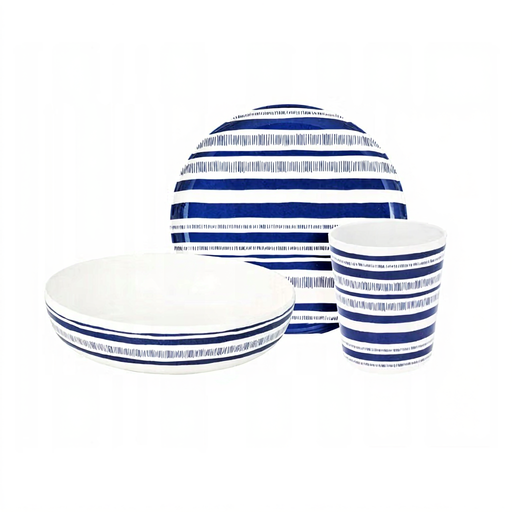
Why it's a great fit: This set is an all-in-one solution for a family of four. The melamine material offers a ceramic-like feel but is durable enough for daily use with children or for a barbecue in the garden.
The set is made of 100% melamine, a thermosetting plastic that retains its shape even at the temperatures common in household dishwashers. It is also resistant to stains and odours.
The combination of break-resistance and an elegant design with a glossy finish makes it versatile for everything from everyday meals to special outdoor occasions.
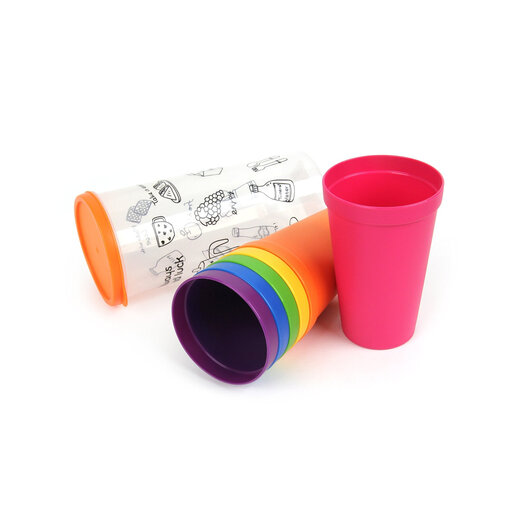
Why it's a great fit: For campers and picnickers, pack size and weight are crucial. This set of six plastic cups can be stored compactly in the included container, which keeps everything clean and ready for transport.
The set is made from high-quality, BPA-free polypropylene (PP). This material is known for its durability and safety, ensuring that no unwanted chemicals leach into your drinks.
The combination of stackable cups and a form-fitting transport container with a lid is a well-designed solution that significantly simplifies transporting and storing camping dinnerware.
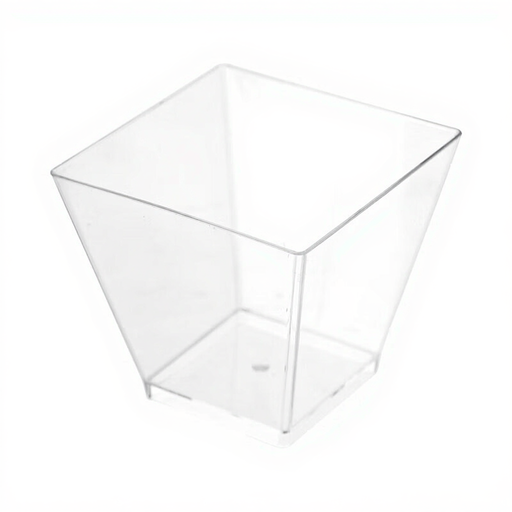
Why it's a great fit: This set offers the elegant look of glass without the risk of breakage. It's ideal for parties where you want to serve cocktails, desserts, or small appetisers in style, without worrying about broken glass.
The glasses are made of durable, BPA-free plastic that offers a crystal-clear appearance. Unlike cheap, disposable partyware, these glasses are reusable and retain their shape and clarity.
The modern, square design is an eye-catching feature that stands out from standard plastic cups. The stackable design also ensures easy, space-saving storage after the party.
We've compiled a complete, up-to-date list of products that fully meet these strict selection criteria and German safety regulations.
1. Is plastic dinnerware safe for hot food and drinks? Safety depends on the material. Products made from polypropylene (PP) or melamine that are labelled as food-safe are designed for contact with hot and cold foods. However, always follow the manufacturer's instructions, especially regarding maximum temperature and microwave suitability. Melamine should generally not be used in the microwave.
2. How do you clean reusable plastic dinnerware to prevent staining? To minimise stains from foods like tomato sauce or curry, you should rinse the dinnerware with cold water immediately after use. When cleaning in the dishwasher, it's best to place items on the top rack, where the heat is less intense. Stubborn stains can often be treated with a paste made from baking soda and water.
3. What does "BPA-free" mean and why is it important? BPA (Bisphenol A) is an industrial chemical that was used in the manufacturing of certain plastics. It is suspected of being harmful to health as it can interfere with the body's hormonal system. The BPA-free label guarantees that this substance was not used in the production of the dinnerware. This is a crucial safety feature, especially for products intended for children or for dinnerware used regularly for food and drinks.