
Lieferung heute & morgen

Qualitätsgarantie

Willkommens-Angebote freischalten: KOSTENLOSE Lieferung | Bis zu 80 % RABATT | Kostenlose 30-Tage-JoyPlus-Testphase
App herunterladen
Whether you're planning an event, organising catering, or offering food to go, selecting the right practical accessories is essential. Disposable tableware is often a key component, promising hygiene, convenience, and ease of use. However, with the vast array of materials, shapes, and sizes available, the decision can be complex.
This guide is designed to provide clear direction. We'll introduce various types of disposable tableware and explain which features are relevant for different applications. Our goal is to give you a solid foundation for choosing the right products, whether for a private party or for commercial use.
To make the right choice, several key criteria should be considered. These will help you evaluate a product's functionality and suitability for your specific needs.
The material is one of the most important distinguishing features. Traditional plastic containers are known for their durability and leak-proof qualities. At the same time, alternatives are gaining prominence. Biodegradable tableware, for example, is made from plant-based raw materials like sugarcane pulp, bamboo fibres, or corn starch. These materials often offer excellent stability and are a compelling option for eco-friendly event tableware. Pay attention to the specific properties of the material, such as its resistance to grease, liquids, and heat.
The intended use dictates the required shape of the tableware. For simple dishes or cakes at a standing reception, classic disposable plates or paper plates are often sufficient. However, if you need to transport or serve full meals, meal trays or food boxes with lids are the more suitable solution. These offer more depth and protect the contents. For takeaway services, secure takeaway packaging is essential to make transport as easy as possible for the end customer.
Functional details can significantly enhance user convenience. Meal trays with multiple compartments allow you to keep different food components neatly separated—ideal for dishes with sides and sauces. A tight-sealing lid is crucial for leak-proof transport. The capacity, specified in millilitres (ml) or ounces (oz), should match the portion size to avoid food waste and ensure an appealing presentation.
Based on the criteria mentioned, we have compiled a selection of products that cover a range of requirements.
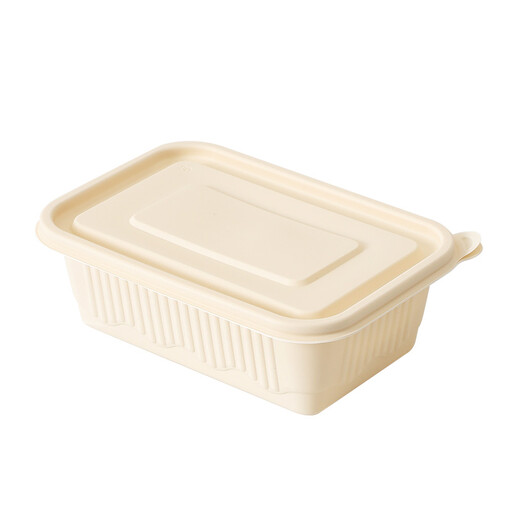
Why it stands out: This lunch box is a highly functional solution for transporting meals. With a 750 ml capacity, it's well-suited for main courses, salads, or meal prep. The secure-fitting lid is designed to prevent leaks.
Pros:
Best for: Users looking for a reliable and straightforward solution for daily office lunches, picnics, or as takeaway packaging for small food service businesses.
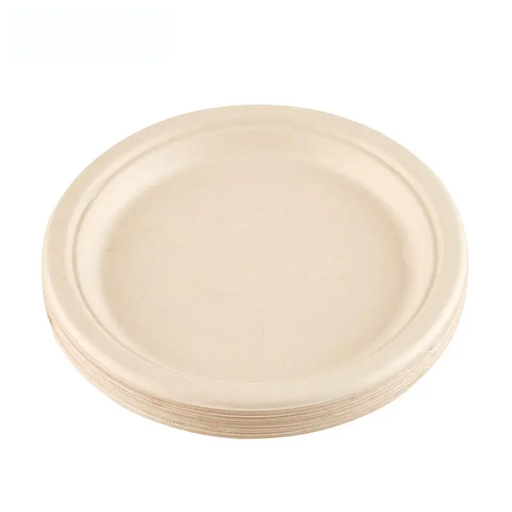
Why it stands out: These plates are made from sugarcane pulp, a by-product of sugar production. According to the manufacturer, they are biodegradable. Their sturdiness, as well as water and oil resistance, make them a robust alternative to conventional paper plates.
Pros:
Best for: Organisers of parties, picnics, and events who value eco-friendly tableware without compromising on functionality.
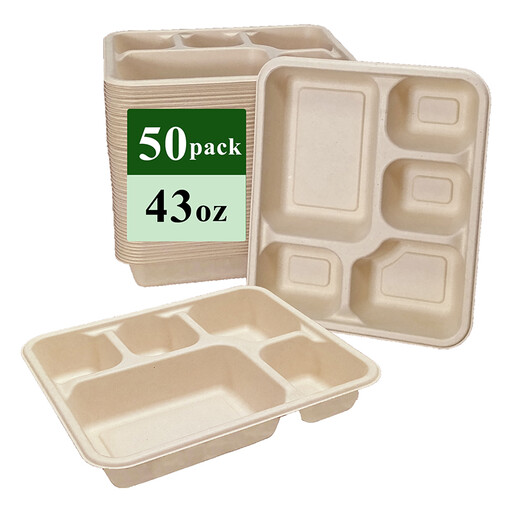
Why it stands out: This meal tray is distinguished by its thoughtful layout. The five compartments allow for the neat separation of a main course, sides, and sauces. With a large capacity and construction from bamboo fibre, it is designed for use in catering and at larger events.
Pros:
Best for: Catering companies, event planners, and canteens that require a structured, high-volume solution for serving complete meals.
The products featured here cover common use cases. However, if you are looking for different sizes, shapes, or materials, a wider range of options is available. From small sauce cups to large serving platters, the selection is diverse.
Explore our full range of disposable containers and find the perfect solution for your needs.
Biodegradable tableware is made from plant-based materials such as sugarcane, bamboo, corn starch, or palm leaves. These materials can decompose under specific industrial composting conditions. They represent an alternative to petroleum-based plastics.
Whether disposable tableware is suitable for hot food depends on the material. Products made from sugarcane pulp (bagasse), bamboo fibre, or CPLA (crystallised polylactic acid) are generally heat-resistant. Certain plastic containers, like the featured Maxcook box, are also designed for warm contents. However, simple, uncoated paper plates can soften when used with very hot or liquid foods.
Disposable plates are typically flat or have a slightly raised edge, making them suitable for single items like cake, salads, or grilled food. Meal trays are deeper, often have a larger volume, and frequently come with compartments and a matching lid. This makes them ideal for transporting and consuming complete meals, and they are often used as takeaway packaging in the food service industry.