
Lieferung heute & morgen

Qualitätsgarantie

Willkommens-Angebote freischalten: KOSTENLOSE Lieferung | Bis zu 80 % RABATT | Kostenlose 30-Tage-JoyPlus-Testphase
App herunterladen
Plastic lunchboxes and tableware are lightweight, versatile and suitable for many everyday situations. However, an appealing product description doesn’t automatically mean you’re making the right choice. Details such as the fastening system, material labelling, temperature range and cleaning instructions are what matter.
A leakproof lunchbox shouldn’t be marketed using this term alone. Look for specific details about the seal, fastening clips and whether it can be used with liquid foods. If the sealing system isn’t described, it’s unclear whether the box is suitable for soup, dressings or yoghurt.
The shape also matters. A lid with a silicone seal all the way round and several fastening points may be more practical for everyday use than a simple hinged lid. Before buying, check whether the seal can be removed and cleaned separately.
With a microwave-safe lunchbox, it’s important to distinguish between the container and the lid. Many plastic lids shouldn’t be heated because pressure may build up. There are often temperature limits too, such as up to 120 °C.
So check these three details:
These details are more important than a general claim that the product is suitable for microwave use.
Depending on the product, dishwasher-safe tableware may only be approved for the top rack, where it’s usually exposed to less heat. Seals, removable inserts and cutlery should be cleaned separately and dried thoroughly.
Check plastic containers regularly for cracks, warping or damaged seals. If you spot any damage, stop using the product for food.
Polypropylene, or PP, is commonly used for lunchboxes, plastic food storage containers and plastic bowls. It’s lightweight and, depending on the product, may be suitable for chilling, freezing, microwave use and the dishwasher. However, these properties don’t automatically apply to every PP product.
A claim such as BPA-free should be clearly stated in the product description. For items that come into contact with food, the manufacturer’s usage instructions are also important. If details about the material, temperature range or food contact are missing, it’s harder to compare products.
A lunchbox for work or school with a capacity of around 900 ml to 1.5 l may be a good choice. If you’re only taking fruit, snacks or yoghurt, you’ll usually need less space. Separate compartments or removable inserts are handy for a complete lunch.
A Bento lunchbox is particularly useful if you want to keep your main meal, side and snack separate. For storing food in the fridge, stackable food storage containers with the same base size can help you save space.
Check that the lid closes securely on all sides and that the seal can be fitted correctly. If you’re carrying liquids, keep the container upright during transport unless the manufacturer explicitly says it can be used another way.
For easy cleaning, look for smooth interiors, removable inserts and fewer awkward corners. For salad bowls, plate sets and plastic tableware for picnics, a low weight and resistance to breakage may matter more than microwave compatibility.
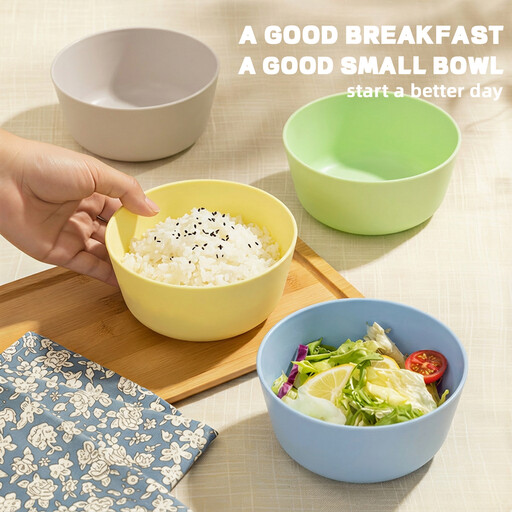
Why this product suits your needs: This set contains four plastic bowls and is suitable for snacks, side dishes or small meals at home or on the go.
The product description clearly states the PP material and the number of pieces. Before buying, check for additional details about microwave and dishwasher suitability, as well as the temperature range.
A four-piece set with the light weight you’d expect from plastic bowls.
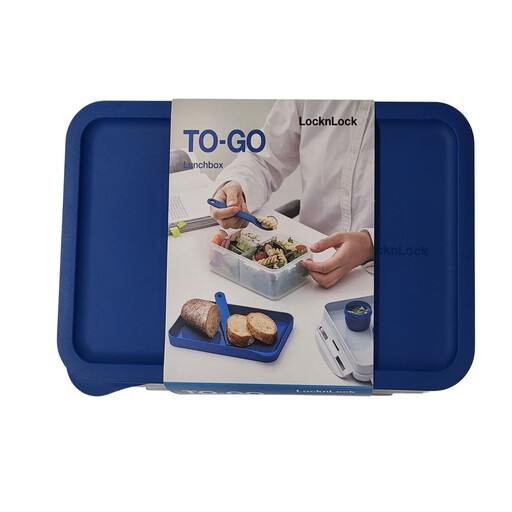
Why this product suits your needs: Three removable compartments, a cutlery set and a sauce pot make it easy to organise meals for the office, school or travelling.
The product details specify a four-sided locking system, a silicone seal, microwave use without the lid, freezer suitability and dishwasher use on the top rack.
1.0 l total capacity, three compartments, BPA-free PP and a temperature range of -20 °C to 120 °C, according to the product description.
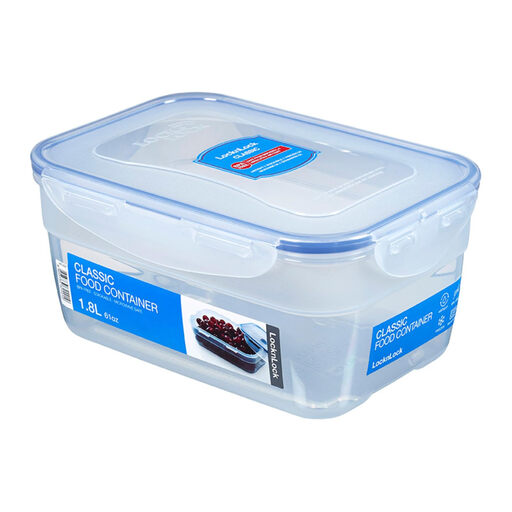
Why this product suits your needs: Each of the three containers holds 1.8 l, making the set suitable for meal prep, organising your fridge, picnics and storing larger portions.
The product description specifies a four-sided locking system, a silicone seal, stackable and nestable designs, and microwave use without the lid.
Three containers of the same size, BPA-free PP, suitable for freezing down to -20 °C and dishwasher-safe on the top rack, according to the product details.
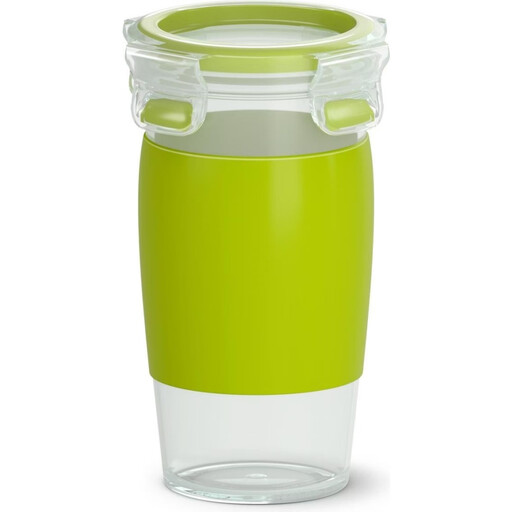
Why this product suits your needs: Its compact design is made for yoghurt, smoothies, oat-based dishes and snacks, and it’s easy to carry in a bag or rucksack.
The product details explicitly state that it has a leakproof fastening and that the lid should be removed before heating.
PP material, stated to be BPA-free, and suitable for freezing, microwave use and the dishwasher according to the product description; dimensions: 9.1 × 9.1 × 15.2 cm.
We’ve put together a complete, regularly updated list of products that meet these strict selection criteria and fully comply with the safety regulations in force in the EU.
It depends on the model. Often, only the container is microwave-safe and the lid needs to be removed. Check the product description for details about the temperature limit, lid and intended use.
A Bento lunchbox with several compartments is handy for keeping separate items such as salad, a side dish and dressing apart. A food storage container with a seal all the way round may be more suitable for soup, larger portions or storing food in the fridge. For both types, the fastening system and seal should be clearly described.
There’s no set lifespan that applies to every product. It depends on the material, how it’s used and cleaned, the temperature and the amount of mechanical wear. Replace products as soon as you notice cracks, deep scratches, warping or seals that no longer keep them leakproof.