
Lieferung heute & morgen

Qualitätsgarantie

Willkommens-Angebote freischalten: KOSTENLOSE Lieferung | Bis zu 80 % RABATT | Kostenlose 30-Tage-JoyPlus-Testphase
App herunterladen
The selection of play food is vast, and choosing the right set can be a challenge. Parents and grandparents look for products that are not only entertaining but also safe, durable, and have educational value. This guide is designed to help you make an informed decision by introducing different types of play food and highlighting what to look for when you buy.
To find the right toy that matches a child's interests and age, several criteria are crucial. The following points offer guidance for your selection.
A child's safety is the top priority. Look for products made from non-toxic materials. For plastic items, the BPA-free label is an important indicator. Wooden toys should be treated with saliva-resistant and non-toxic paints. Regardless of the material, rounded edges and sturdy construction are essential to minimise the risk of injury. Always check the manufacturer's age recommendation to ensure that no small, swallowable parts are accessible to younger children.
Play food supports various areas of development. Consider which skills you want to specifically encourage:
A set with a good mix of different food groups (fruit, vegetables, baked goods, etc.) provides long-lasting play appeal. Realistic details, such as visible seeds in sliced fruit or peelable bananas, make the game particularly tangible and interesting for children. This also helps them learn the names of foods and colours.
Here is a selection of different products that appeal to various play interests and age groups.
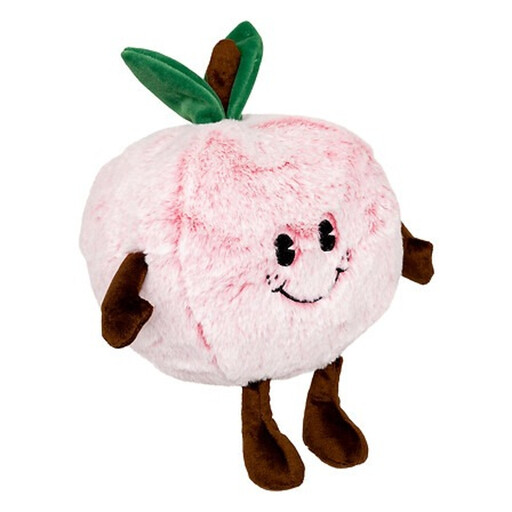
Why it stands out: This product combines the softness of a cuddly toy with the interactivity of a hand puppet. The pink peach is an original alternative to classic wooden or plastic toys and particularly appeals to the emotional side of play.
Pros:
Who is it for? This plush toy is suitable for children of all ages, especially younger ones who prefer a soft and safe play option. It's a great choice for parents looking for a versatile toy that can be used for both cuddling and initial role-playing games.
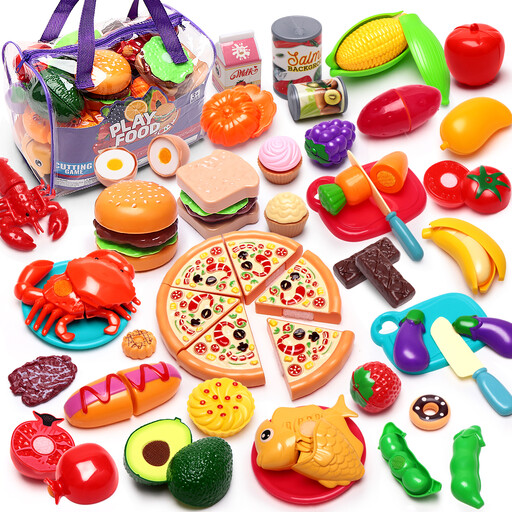
Why it stands out: This extensive set offers an enormous variety of foods and accessories. The realistic design with Velcro connectors for cutting makes it a classic for any play kitchen.
Pros:
Who is it for? Ideal for children aged 3 and up who enjoy imitating cooking processes. It's an excellent addition to any play shop or kitchen and promotes social interaction through its variety as a role-playing toy.
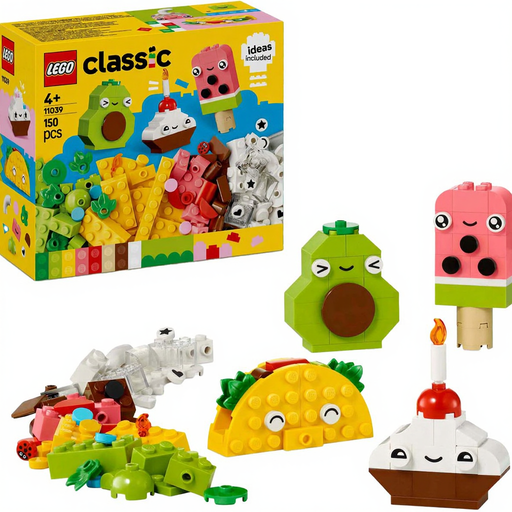
Why it stands out: This set combines the theme of food with the creative building of LEGO. Instead of using pre-made shapes, children can create their own food characters and redesign them again and again.
Pros:
Who is it for? This creative toy for children is perfect for little builders aged 4 and up. It appeals to kids who love to construct and let their imagination run wild, offering an alternative to classic role-playing.
The products featured here cover different types of play. If you're looking for an even wider selection of play shop accessories or specific sets for the play kitchen, you'll find many more ideas in our main category.
Discover Our Entire Range of Play Food Here
1. From what age is play food appropriate? Simple play food made of fabric or large, sturdy plastic is suitable for children from around 18 months. Sets with small parts or a cutting function, like cutting play food, are generally recommended for children aged 3 and up. Always follow the manufacturer's age recommendation.
2. What materials are safe for play food? Look for certified and tested materials. For wooden toys, non-toxic, saliva-resistant paints are important. Plastic products should be explicitly labelled as BPA-free. Soft toys made of fabric should consist of high-quality, washable polyester or cotton.
3. How do you clean play food properly? The cleaning method depends on the material. Wooden toys should only be wiped with a damp cloth and not submerged in water. Plastic toys can often be cleaned with mild soap and water or even in the dishwasher (check the manufacturer's instructions). Stuffed toys are usually machine-washable.