
Lieferung heute & morgen

Qualitätsgarantie

Willkommens-Angebote freischalten: KOSTENLOSE Lieferung | Bis zu 80 % RABATT | Kostenlose 30-Tage-JoyPlus-Testphase
App herunterladen
A play mat for children needs to serve several purposes in everyday life: it provides a defined area for play, can protect the floor from scratches and is ideally easy to clean. At the same time, children’s play mats vary considerably in material, construction, size and intended use.
A model that looks appealing won’t necessarily suit every home. Before buying, it’s worth checking the product details carefully and looking out for common marketing pitfalls.
Terms such as “non-toxic”, “child-friendly” or “safe” are of limited value without further details. Check the specific material, recommended age, warnings and information on the packaging. For an EVA foam puzzle mat, also check whether edge pieces are included and how the individual pieces fit together.
CE marking is relevant for many toys, but it doesn’t replace checking the full product information. For products intended for children, parents should pay particular attention to small detachable parts, odours, damaged surfaces and age suitability.
A compact mat can look more spacious in a product photo than it will in a child’s room. Measure the available floor space, including clearance around furniture. For playing together, a rectangular children’s play mat may be more practical than a small square floor mat.
The Sombo City Farm Play Mat, for example, measures 100 × 190 cm. It provides a clearly defined play area that can be rolled out and rolled up again after use.
A non-slip play mat won’t necessarily behave the same way on parquet, laminate, tiles and carpet. Dust, moisture and creases can also affect how securely it stays in place. Lay the mat on a flat, clean and dry surface, and check before each use that it hasn’t shifted.
For mats made up of two or more pieces, make sure all the connections are fully clicked into place. A damaged mat should no longer be used every day.
A polyester play mat for children is usually lightweight and can be rolled up. According to the product details, the Sombo mat is made from durable polyester and has two play sides: one with a road design and one with animals. This lets children switch between play scenarios without having to turn the mat over or rearrange it.
An EVA foam mat for children often consists of individual tiles. Depending on the size of the room, these can be added to, separated and finished with edge pieces. EVA foam is soft and lightweight, but parents should check for visible cracks, loose connections and the need for regular cleaning.
NBR is often used for yoga mats, fitness mats and exercise mats. According to the product description, the Capelli Sport Exercise Mat is made from NBR. It is 12 mm thick and measures 61 × 183 cm. Its shape is less flexible than interlocking tiles for crawling and free play, but it may be suitable for adults doing yoga, stretching and home workouts.
Three measurements are particularly important before you buy:
A foldable, easy-to-clean play mat is a good choice for homes where the floor space is regularly used for other things. Puzzle mats are versatile, but need a flat surface for assembly. Roll-up mats are quicker to put away, although they may need to be smoothed out after unrolling.
Check whether the manufacturer recommends cleaning the mat with a damp cloth and whether it needs to dry completely. Liquids shouldn’t be allowed to seep into joints, seams or the underside and remain there. For an activity mat or sensory floor tile, also check the surface, liquid filling and underside.
Don’t continue using damaged mats. Sharp objects, naked flames and prolonged direct sunlight can affect the materials. Children’s products must be used under supervision in line with the warnings.
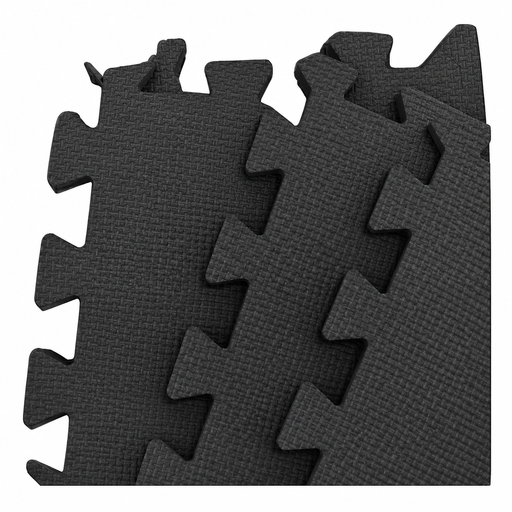
Why this product suits this type of buyer: The six-piece set is ideal for small, clearly defined areas and can be taken apart again when needed.
The included tiles and edge pieces make the size of the play area clear, rather than relying on vague claims about how much space it covers.
EVA foam, interlocking design, six tiles and ten edge pieces, according to the product description.

Why this product suits this type of buyer: This large roll-up mat is a good choice for families who want a defined play area with reversible designs.
The product details clearly state the dimensions, polyester material and recommended age of 2 years and over.
100 × 190 cm, reversible road and animal designs, and can be cleaned with a damp cloth, according to the product description.
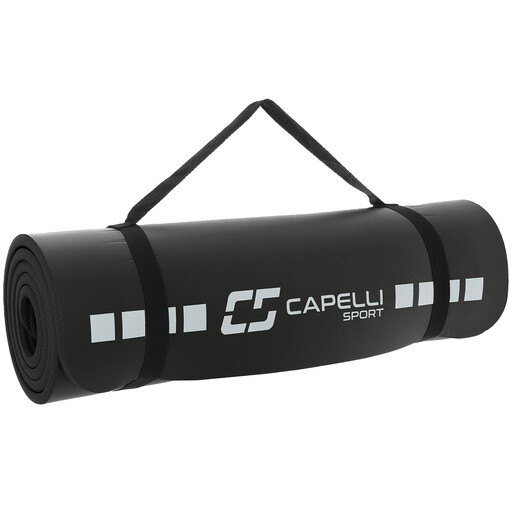
Why this product suits this type of buyer: A good option for adults and families looking for a mat for yoga, fitness, Pilates or stretching.
Its intended use as a fitness mat is clearly described, so you won’t end up using it as a children’s play mat for a purpose it wasn’t designed for.
12 mm thickness, NBR material, textured surface and elastic carrying strap, according to the product details.
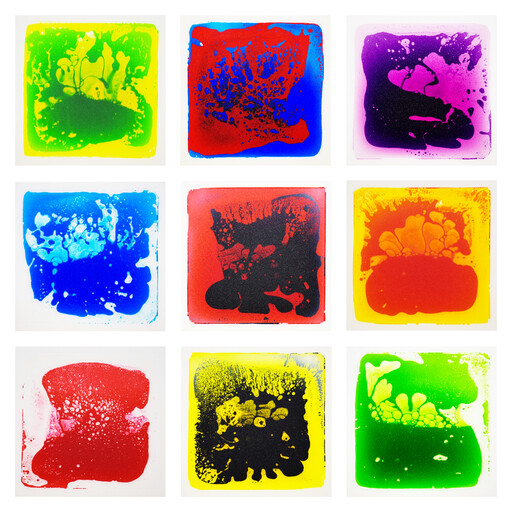
Why this product suits this type of buyer: These nine sensory floor tiles are designed for playrooms, classrooms and other indoor spaces used for a variety of activities.
The product details specifically state that the tiles are for indoor use and have a reinforced PVC underside. Check these details against your own flooring before use.
Nine tiles, liquid-filled surface and non-slip PVC underside, according to the product description.
We’ve put together a complete, regularly updated list of products that fully meet these strict selection criteria and the safety regulations in force in the EU.
It depends on the available space and how the mat will be used. A small set of tiles may be enough for individual play activities. For playing together, longer mats such as 100 × 190 cm are more practical. Measure the area and leave enough clearance around furniture and doors.
First remove any dust and loose pieces. Many models can be wiped clean with a damp cloth and a mild cleaning product. Follow the manufacturer’s instructions, let the mat dry completely, then check the joints, seams and underside.
There’s no standard lifespan that applies to every mat. It depends on how heavily it’s used, how it’s stored, how much sunlight it gets and how it’s cleaned. Replace the mat if you notice cracks, significant warping, open edges or damaged connections.