
Lieferung heute & morgen

Qualitätsgarantie

Willkommens-Angebote freischalten: KOSTENLOSE Lieferung | Bis zu 80 % RABATT | Kostenlose 30-Tage-JoyPlus-Testphase
App herunterladen
Finding the right bath toy for a toddler can quickly become overwhelming. The market is flooded with products that promise fun and safety, but not all of them live up to what their packaging suggests. For toys aimed at children aged one and up, the standards for materials, design, and durability are particularly high. Before you make a decision, it's crucial to understand the common pitfalls that often only become apparent after the purchase.
To avoid a bad purchase, you should focus on objective and verifiable criteria. Two factors are decisive: material safety and age-appropriate design.
A safe bath toy for a toddler should be made from high-quality, tested materials. Look for products that are explicitly declared to be free of plasticisers. A growing trend is sustainable toys made from bio-based plastics. These materials are produced in part from renewable resources. Look for certifications like ISCC PLUS, which verify a transparent and sustainable supply chain. Another advantage of high-quality plastic is its ease of cleaning. The material should be smooth and non-porous, allowing it to be easily rinsed and dried under running water.
For children aged one and up, the tactile experience is crucial. The toy must fit comfortably in small hands. Pay attention to the following features:
Instead of making a one-size-fits-all recommendation, we have curated products for different needs and profiles.
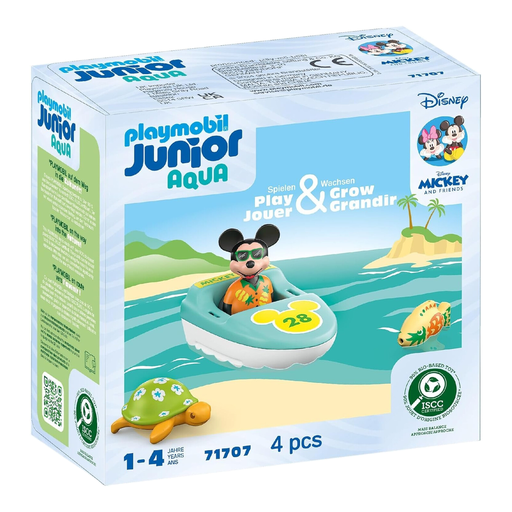
Why it's a great fit: It combines the brand recognition of PLAYMOBIL and Disney, making this Mickey Mouse bath toy an ideal gift for one-year-olds. The design is explicitly tailored to the 1-4 age group.
The set is designed without hollow cavities and small openings, which minimises the risk of mould. According to the manufacturer, it is made from over 90% bio-based plastic (ISCC PLUS certified) and contains no small parts that can be swallowed.
Specifically promotes fine motor skills through grasping and playing with the figures and the floatable boat. Cleaning is straightforward under running water.
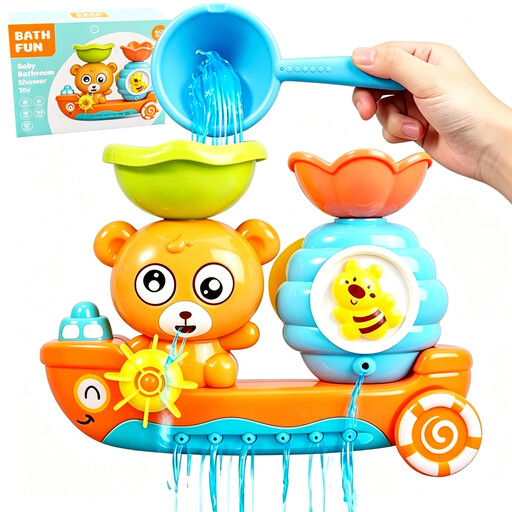
Why it's a great fit: For parents who prefer a simple and functional bath toy without licensed characters. The focus here is purely on water play.
This set features a minimalist design. The simple shapes of the figures and elements are generally easier to dry completely and inspect for cleanliness than complex toys with many nooks and crannies.
Provides fundamental, imaginative fun in the water. The different parts can be used for scooping, pouring, and floating, which stimulates sensory perception.

Why it's a great fit: A great addition for parents looking for a robust motor skills toy for indoor and outdoor use. Ideal for the sandbox or playroom as a counterpart to water play.
This vehicle is made from high-quality, reinforced plastic and designed for children aged 2 and up. Its sturdy construction with no small parts is built for durability and safety during active play.
The fully functional excavator arm with a handle specifically promotes coordination and spatial awareness. The toy is ready to use right out of the box and requires no assembly.
We've compiled a complete, up-to-date list of products that fully meet these strict selection criteria and UK/EU safety regulations.
Rinse the toy thoroughly under clear, running water after each use to remove soap and foam residue. Allow all parts to air dry completely in a well-ventilated area before storing them. Avoid cleaning in the dishwasher, as high temperatures can damage the plastic.
The PLAYMOBIL Junior product line is specifically developed for children aged 1 to 4. The figures and accessories are larger than classic PLAYMOBIL, have rounded shapes, and contain no small parts that can be swallowed. This makes them tailored to the motor skills and safety needs of toddlers.
Bio-based plastic means that the material is made wholly or in part from biomass (e.g., from sugar cane or corn). For toys like those from PLAYMOBIL, a mass balance approach according to standards like ISCC PLUS is often used. In this process, bio-based raw materials are fed in at the beginning of the production process and are mathematically allocated to the final product. This helps to reduce the consumption of fossil resources.