
Lieferung heute & morgen

Qualitätsgarantie

Willkommens-Angebote freischalten: KOSTENLOSE Lieferung | Bis zu 80 % RABATT | Kostenlose 30-Tage-JoyPlus-Testphase
App herunterladen
A pleated blind without drilling is ideal for rented homes, owner-occupied homes and rooms where you don’t want to make permanent changes to the window frame. Depending on the design, it can be fitted using clip-on brackets, adhesive mounts or suction cups. This means a clip-fit pleated blind can usually be installed without a drill or screws.
However, it’s easy to incur unnecessary costs if you buy before checking a few key details. These are the three most common pitfalls:
First, measure the width of the window pane and the full height of the window frame. For several Dream-seeker models, the recommended blind width is approximately glass width plus 4 cm. For example, a 55 cm-wide blind may be suitable for a 51 cm-wide pane of glass.
This recommendation won’t work for every window. If there’s a window handle, protruding seals or a narrow frame, the blind mustn’t be so wide that it gets in the way when you open or tilt the window. Also check:
A 90x200 cm pleated blind, for example, may suit a tall door or a large window. Always read the size as width × height and check it against the specific details in the product listing.
Retailers don’t use these terms consistently. A light-filtering pleated blind filters daylight and reduces visibility from outside, while still letting light into the room. A privacy pleated blind makes it harder to see through, but that doesn’t necessarily mean it will make the room completely dark.
A blackout pleated blind may be a good choice for bedrooms and children’s rooms. Check the product description carefully, as well as how the blind is fitted: even with opaque fabric, gaps at the sides between the fabric and the window frame can still let light through.
For living rooms, offices and bathrooms, a sun-protection blind, a privacy pleated blind or a light-filtering design is often enough. For kitchens and bathrooms, look for material described as moisture-resistant. Moisture-resistant doesn’t mean waterproof, and the product should still be checked for suitability in areas exposed to direct splashes.
A Klemmfix pleated blind is typically attached to the window sash using adjustable clip-on brackets. This is a practical option for many rented homes, but it does require a suitable frame. Adhesive mounts need a clean, dry and smooth surface.
Other options include:
If you have children or pets, take particular care with any operating cords and keep them secured out of reach. After fitting, check regularly that the clip-on brackets or adhesive mounts are still firmly in place.
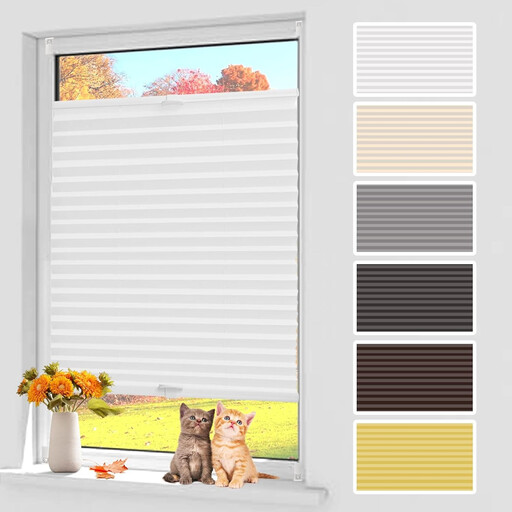
Why this product suits this profile: Its compact size is suitable for smaller standard windows in living rooms, bedrooms or home offices. The adhesive Klemmfix fitting may appeal if you want to get started without drilling.
The product description gives the exact size, 65 × 100 cm, and says it can be cleaned with a damp cloth. This makes it easier to check the dimensions and care instructions before buying.
White polyester fabric, light-filtering effect and no-drill fitting, according to the product description.

Why this product suits this profile: Its double-layer honeycomb structure is designed for households looking for privacy and sun protection, as well as a distinctive fabric finish.
The description specifies a suitable frame thickness of 10–23 mm and notes that the blind is not suitable for roof windows.
100% polyester, top and bottom handles, and a light-blocking design according to the product description.
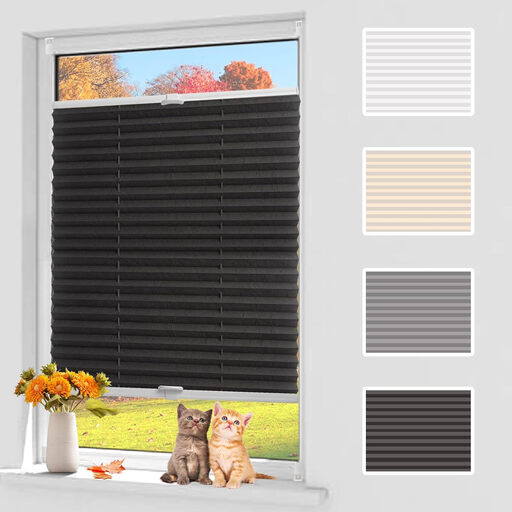
Why this product suits this profile: At 200 cm high, it may suit tall windows, balcony doors or patio doors. You can adjust its position using the handle at the top or bottom.
The product description calls the fabric opaque, but also notes that it doesn’t guarantee complete darkness. This helps avoid expecting a blackout effect from a privacy blind.
90 × 200 cm, adjustable clip-on brackets and designed for use on windows and doors, according to the product details.
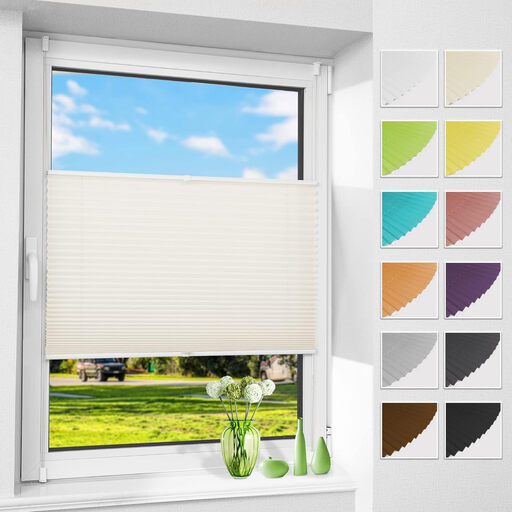
Why this product suits this profile: According to the description, the adjustable brackets are designed for frames 10–23 mm thick. This is useful for frequently used tilt-and-turn windows.
The description sets out the fitting requirements and notes that the blind isn’t suitable for roof windows, wooden windows or sliding windows.
Polyester fabric, aluminium bar, damp-cloth cleaning and operation using top and bottom handles, according to the product details.
We’ve put together a complete, regularly updated list of products that meet these strict selection criteria and the safety regulations applicable in the EU.
Before attaching adhesive mounts, clean the window frame thoroughly and let it dry completely. Once fitted, move the blind carefully at first. With clip-on brackets, check that they hold the frame securely and that the window sash still closes without any problems.
For many polyester fabrics, a soft, slightly damp cloth is all you need. Avoid harsh cleaning products, vigorous rubbing and leaving the fabric wet for long periods. If you’re fitting a blind to a balcony door, make sure it doesn’t catch on the handle, seals or door frame when you open it.
That depends on the fitting method, frame shape, surface and weight of the blind. Clip-on brackets grip the frame mechanically, while adhesive mounts need a smooth, clean and dry surface. Check regularly that the blind is still firmly attached.
A Klemmfix pleated blind is a good choice if your window frame is the right thickness and there’s enough room for the clip-on brackets. Adhesive fitting may be easier with certain frame shapes, but it depends more on the condition of the surface. Neither option may be suitable for rough or uneven surfaces.
Not every opaque pleated blind is a blackout blind. The fabric, gaps at the sides and fitting position all affect how much light gets through. Check the specific product description, and bear in mind that blinds fitted inside the window frame may leave small gaps around the edges.