
Lieferung heute & morgen

Qualitätsgarantie

Willkommens-Angebote freischalten: KOSTENLOSE Lieferung | Bis zu 80 % RABATT | Kostenlose 30-Tage-JoyPlus-Testphase
App herunterladen
A pleated blind without drilling is a practical solution for many rental properties, offices and short-term living arrangements: the window frame remains largely undamaged, installation usually requires no tools, and the privacy screen can be removed when you move out. However, not every clamp-fit pleated blind suits every window.
Three common buying mistakes often lead to poor decisions:
Measure the visible glass width, the height of the window sash and the depth of the frame. For several models in the selection, an order width of around 4 cm wider than the glass width is recommended. This way, the sun protection can cover the window better without drilling. At the same time, make sure the handle, seal and any protruding parts aren't obstructed.
For example: with a glass width of 56 cm, a pleated blind with a total width of approximately 60 cm could be suitable. The specific details of each product remain the deciding factor. If you're looking for a pleated blind 90x120 cm, check whether the 90 cm refers to the total width or the fabric width.
For balcony and patio doors, larger heights such as 200 cm are available. Be careful with roof windows: several of the products mentioned are expressly not suitable for sloping roof windows. For this use, you'll find suitable alternatives in the roof window blinds without drilling range.
A clamp-fit blind is attached to the window sash using adjustable clamp brackets. With WOLTU models, for example, frame thicknesses of 13–23 mm or 16–22 mm are specified. So check before ordering whether your frame falls within this range and whether the seal remains clear.
An adhesive or stick-on installation, on the other hand, requires a clean, dry and smooth surface. Dust, grease, moisture and rough textures can affect adhesion. This option may be suitable for smooth plastic or metal surfaces, but should not be fitted without checking on rough or uneven frames.
Colours such as anthracite pleated blind, white pleated blind and beige pleated blind look different depending on the fabric structure and backing. Light colours often suit neutral interiors, while anthracite creates a stronger contrast at the window.
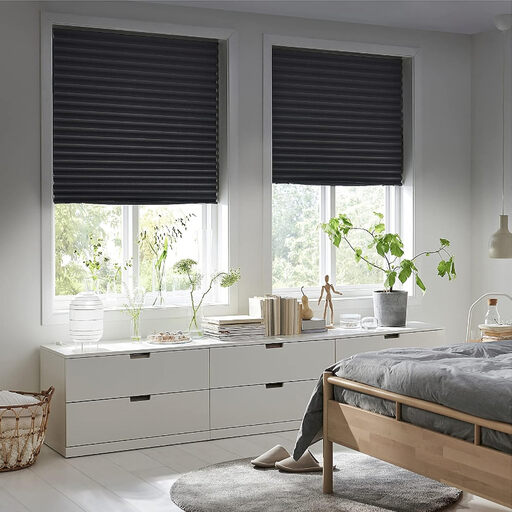
Why this product suits the profile: The compact size is ideal for smaller windows in living rooms, offices or bedrooms. The anthracite finish offers privacy and filters daylight.
The product description clearly states the light-filtering function and no-drill installation. The adhesive brackets require a smooth, dry surface.
65 x 100 cm, polyester, light-filtering, for windows and doors, height-adjustable.

Why this product suits the profile: The honeycomb structure, metal frame and adjustable clamp-fit brackets appeal to buyers who compare materials and installation details carefully.
The frame thickness of 10–23 mm and suitability for interior windows and doors are clearly stated. This makes checking before purchase easier.
100 % polyester, clamp-fit installation, top and bottom handles, clean with a damp cloth.
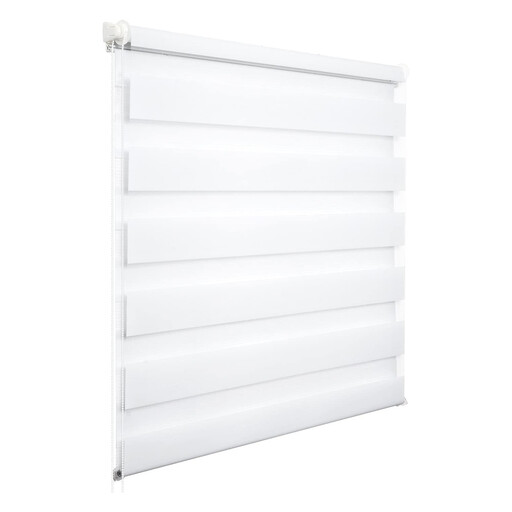
Why this product suits the profile: The two fabric layers allow gradual adjustment between light-permeable and privacy. This is suitable for living spaces, workstations and frequently changing light conditions.
The product details mention both clamp and screw installation. For the clamp-fit version, a frame of 13–23 mm without an obstructive seal is intended.
Two fabric layers, chain operation can be fitted on left or right, 100 % polyester, wipe-clean.
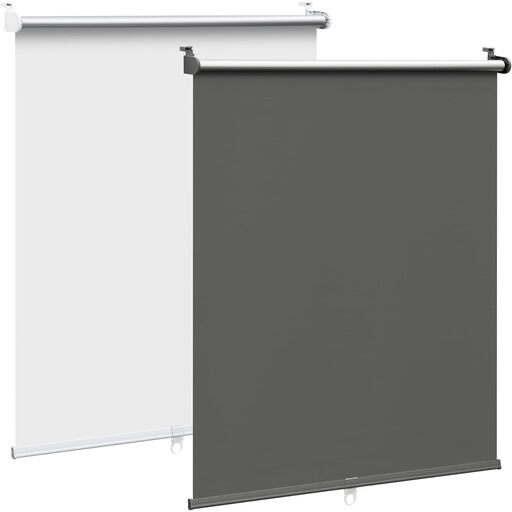
Why this product suits the profile: The cordless roller blind with clamp or screw installation is aimed at households looking for blackout and operation via the bottom grip bar.
The details distinguish between total width and fabric width. The required frame thickness of 16–22 mm for clamp installation is also stated.
Anthracite, cordless operation, polyester fabric with coated backing, can be cleaned with a damp cloth.
Clean the frame before installation with a suitable, low-residue cleaning agent and allow it to dry completely. For adhesive brackets, apply even pressure after fitting. Wait for the adhesion time stated in the instructions before moving the blind.
Clamp brackets must not be fitted on a loose seal or on moving hardware parts. After installation, check that the window can still be opened and tilted. Polyester fabrics can usually be cleaned with a soft cloth or soft brush; harsh cleaners and abrasive products can damage the surface.
For blinds with chains or pull cords, these must be fitted out of the reach of children. Cordless variants reduce the relevant operating parts, but do not replace the need for safe installation checks.
We've put together a complete, regularly updated list of products that fully meet these strict selection criteria and the safety regulations in force in the EU.
Durability depends on the installation method, frame surface, load and operation. Clamp brackets can be removed repeatedly, but must match the frame thickness. Adhesive brackets require a smooth, dry surface and can lose adhesion due to moisture, dust or heat. Regular checks on the fixing are advisable.
First, measure the visible glass width and the height of the window sash. Compare these values with the product's size chart. An order width of around 4 cm wider than the glass width is often recommended. Also check the frame thickness, window handle and seals before ordering a clamp-fit pleated blind.
A manually operated pleated blind or roller blind requires no electricity and therefore incurs no running energy costs. Costs may arise from cleaning, replacement parts or later replacement. For a pleated blind for a rental property, you should also consider residue-free installation and the possibility of returning the product.