
Lieferung heute & morgen

Qualitätsgarantie

Willkommens-Angebote freischalten: KOSTENLOSE Lieferung | Bis zu 80 % RABATT | Kostenlose 30-Tage-JoyPlus-Testphase
App herunterladen
A pliers set can handle a wide range of repair and assembly jobs – provided the tools included are suited to the tasks you have in mind. There are clear differences in design, materials and safety features between a basic DIY pliers set, a precision pliers set and specialist pliers for electricians.
Many poor purchases aren’t down to price, but to unclear product information. Check for these three common pitfalls before you buy:
Choose a type of pliers that suits the task:
For general maintenance, a hand tool set with three classic types of pliers is often more useful than a large set with specialist tools you’ll rarely use.
If you’ll be using your pliers frequently, check the material specifications. Depending on their design, chrome vanadium steel, carbon steel or coated steel may be suited to different levels of use. Also look for:
A coated handle does not automatically provide electrical insulation. If no such protection is specified, do not use the tool on live wires. Pliers for electricians must also be explicitly suitable for and marked for the specific electrical work involved.
Length affects leverage and handling. A 180 mm pair of combination pliers is relatively versatile, while 305 mm water pump pliers may offer a wider jaw opening but need more room to use.
Before you buy, compare:
For hose clamp pliers, it’s also important to check whether they’re designed for flexible hoses, spring clamps or specific diameters. Don’t use hose clamp pliers intended for fuel or brake hoses on hard, reinforced or pressurised lines without checking that they’re suitable.
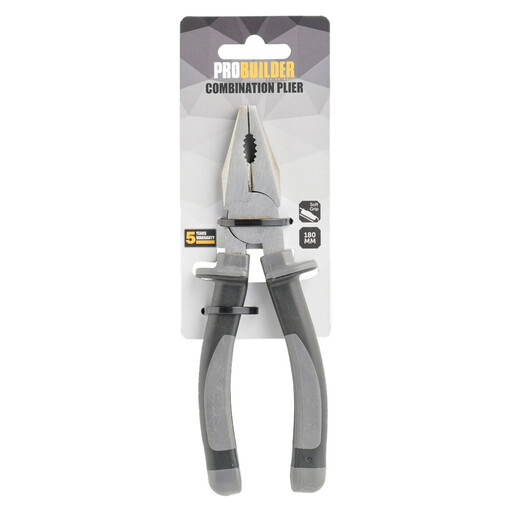
Why this product suits you: These 180 mm combination pliers cover everyday tasks around the home, furniture assembly and minor repairs. Flat and round gripping zones help you work with different shapes of workpiece.
The product details specify the length, steel construction and materials suitable for the cutting function. This makes it easier to assess whether the pliers are right for the job before you buy.
180 mm long; flat and round gripping zones; cutting function for nails and soft, medium and hard wires, according to the product description.
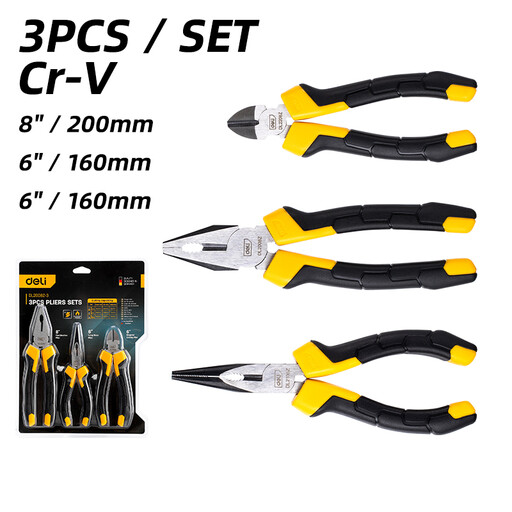
Why this product suits you: The set includes combination pliers, long-nose pliers and side cutters. It’s a good choice if you regularly need separate tools for gripping, bending and cutting.
Rather than overworking a multifunction tool, you get a design suited to each basic task. The L-Boxx-compatible insert also makes it easier to keep everything organised.
Three different types of pliers; hardened cutting edges according to the product description; rubberised handles and a plastic storage insert.
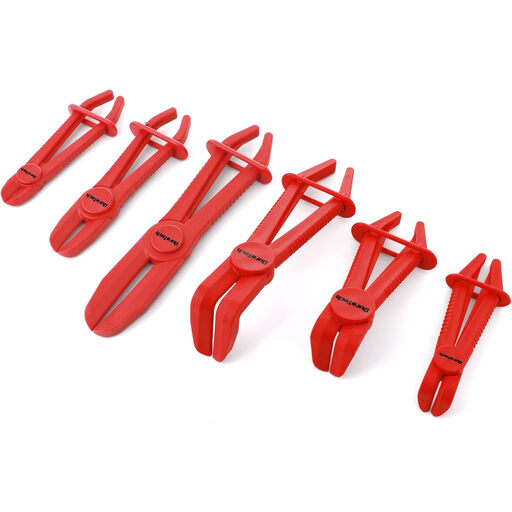
Why this product suits you: Automotive maintenance technicians and frequent users get straight and 90° angled hose clamp pliers for working with different flexible lines.
Six size ranges and two plier designs reduce the risk of using pliers that are too large or poorly positioned on the hose.
Straight versions from 3–64 mm and angled versions from 0–25 mm, according to the product description; reinforced nylon and a locking catch.
We’ve put together a complete, regularly updated list of products that meet these strict selection criteria and fully comply with the safety regulations in force in the EU.
Wipe your pliers clean with a dry cloth after use and store them somewhere dry. A drop of suitable oil on the joint can help keep it moving smoothly. Check them regularly for:
Wear safety glasses when cutting, as wire ends or pieces of material can fly off. Pliers without a specified insulation rating must not be used on live electrical circuits. Do not exceed the cutting capacity or clamping force either.
For general repairs, a set with combination pliers, long-nose pliers and side cutters is often enough. For pipework, it’s worth adding water pump pliers or pipe pliers. The right choice depends on whether you’ll mainly be gripping, cutting, bending or clamping.
Its lifespan depends on the materials, how often it’s used, how it’s stored and whether you stay within its operating limits. Worn cutting edges, play in the joint or cracks in the handles are signs that it’s time for a replacement.
A clamp set is useful when you need to hold workpieces securely while gluing, sawing or assembling them. For woodworking, for example, F-clamps with a quick-release mechanism can be more practical than hand pliers.