
Lieferung heute & morgen

Qualitätsgarantie

Willkommens-Angebote freischalten: KOSTENLOSE Lieferung | Bis zu 80 % RABATT | Kostenlose 30-Tage-JoyPlus-Testphase
App herunterladen
A good plug-in night light provides security and guidance without disturbing your sleep. However, the market is flooded with models whose advertised features often create more problems than they solve in practice. Poorly chosen sensors, unsuitable brightness, or low energy efficiency can quickly lead to disappointment and unnecessary costs. This guide shows you what to look for to find a functional and durable orientation light.
Many products promise smart features but fail on fundamental details. These three flaws are particularly common:
To avoid these problems, you should check three technical parameters before buying. These largely determine the functionality and efficiency of your night light.
The choice of sensor depends on where and how the light will be used.
Light quality is crucial for comfort and sleep hygiene.
Most models are designed as a direct plug-in light, which allows for simple and maintenance-free installation.
Based on the criteria mentioned, we have compiled some models for typical user profiles.
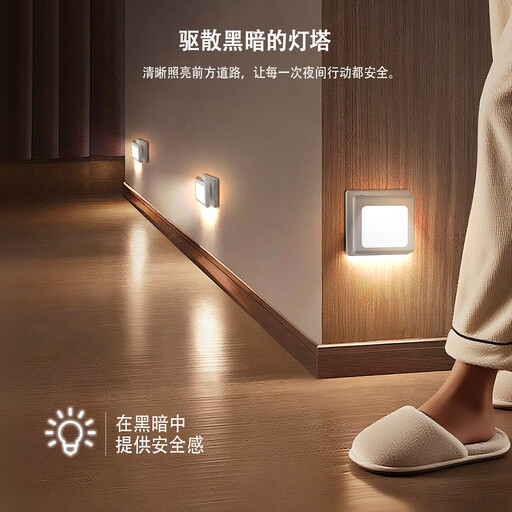
Why This Fits Their Persona: This double pack offers a cost-effective solution for a basic setup in hallways and bedrooms. It combines the most important features without unnecessary extras, making it ideal for users looking for simple and reliable continuous lighting.
The stepless dimming function prevents the problem of overly bright, disruptive lighting. The dusk-to-dawn sensor ensures automatic, energy-efficient operation without needing manual intervention.
Steplessly adjustable brightness; Automatic dusk-to-dawn sensor; Energy-efficient LED design; Practical 2-pack set.
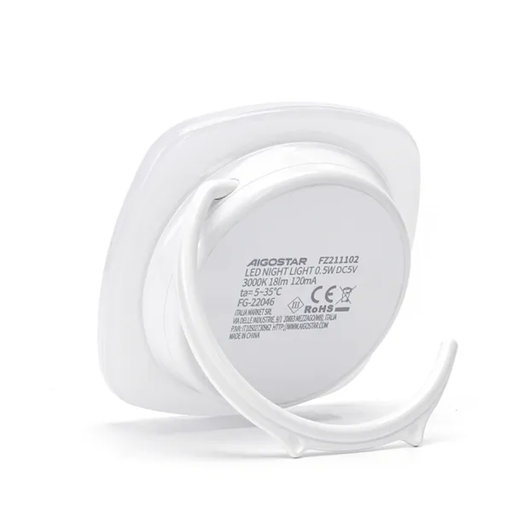
Why This Fits Their Persona: Ideal for users who need a flexible lighting solution for places without a socket, such as closets, storage rooms, or dark corners. The battery operation and mounting design allow for versatile placement.
This model avoids the trap of recurring costs from battery changes thanks to its integrated, USB-rechargeable battery. The PIR motion sensor ensures that energy is only consumed when it's truly needed.
Motion activation with a 3.5m range; USB-rechargeable (no batteries needed); Compact design for discreet placement; Warm white light (3000K).

Why This Fits Their Persona: For parents looking for more than just a simple orientation light. This product combines light with soothing sounds and projections to create a relaxing sleep environment and alleviate fears of the dark.
Instead of a simple, potentially disruptive light, this model offers a multifunctional solution. The brightness is adjustable, and the automatic 23-minute shut-off prevents continuous operation and conserves the battery.
Projects underwater light effects; Plays 4 soothing sounds; Adjustable cry sensor for automatic reactivation; USB-C rechargeable.
We have compiled a complete, up-to-date list of products that fully meet these strict selection criteria and safety regulations.
1. How much electricity does a plug-in night light use? A modern LED night light is extremely energy-efficient. Most models have a power consumption of less than 1 watt, often only 0.3 W to 0.5 W. A 0.5-watt night light that is on for 12 hours a night consumes about 2.19 kilowatt-hours (kWh) per year. With an average electricity price of 35p/kWh, the annual electricity costs amount to less than one pound.
2. What kind of light is suitable for a night light in a child's room? For children's rooms, warm white light with a colour temperature of 2700 K to 3000 K is recommended. This light has a low blue light component, which is less disruptive to the production of the sleep hormone melatonin than cool white light. A dimmable night light is also advantageous, as the brightness can be adjusted to provide just enough orientation without disturbing the child's sleep.
3. Where should you place a night light with a motion sensor? Ideally, place a night light with a motion sensor at knee to hip height in transit areas such as hallways, stairs, or the bathroom. Position it so that the sensor detects movement when entering the area. Avoid placing it directly opposite bedroom doors or reflective surfaces to prevent unwanted activation from small movements or reflections.