For baking tray cakes
If you’re making plum cake on a tray for a group, the key things to check are the actual tray dimensions and whether the oven has the right heating function.


For a tray bake with plums, first check that your baking tray will fit inside the oven and on its shelf runners. Dr. Oetker’s example recipe uses a 40 × 30 cm tray and specifies a fan setting of around 180 °C. A built-in oven with a fan function could suit you if the housing and connection are right. A freestanding cooker is an option if you also want to replace the hob, while a compact oven may work for a smaller batch with an adapted recipe. A claim that an oven has several shelf levels doesn’t prove that several moist fruit cakes will bake evenly at the same time.
If you’re making plum cake on a tray for a group, the key things to check are the actual tray dimensions and whether the oven has the right heating function.
When replacing a built-in oven or a complete cooker, the type, available space, connection and dimensions of your chosen tray all need to suit the specific model.
A compact oven could be an option if you want fan cooking without a built-in appliance and can adapt the recipe and tray for a smaller batch.
A good fit if: you have a suitable housing unit and have confirmed that your chosen tray will fit inside.
Things to weigh up: Housing dimensions, connection and the tray supplied vary by model. The oven capacity alone doesn’t confirm that your tray will fit.
A good fit if: you want to replace both the cooker and hob, and have suitable space and a suitable connection.
Things to weigh up: This type of appliance includes a hob, so it’s not simply a replacement for a standalone oven.
A good fit if: a smaller cake is enough and you have a smaller tray that fits.
Things to weigh up: A compact design doesn’t mean a 40 × 30 cm tray will fit inside.
| Priority | What to check before buying | Who is this important to? |
|---|---|---|
| Tray fit | Compare the usable interior and shelf-runner dimensions, as well as the supplied tray, with your recipe. Dr. Oetker’s example recipe uses a 40 × 30 cm baking tray. | If I want to use the exact tray specified in the recipe, I’ll first check that it actually fits on the runners. Around 28% of consumers prioritise tray fit. |
| Heating function and baking results | Check that the oven offers the fan setting specified in the recipe, and follow the instructions for baking and, where relevant, using multiple shelf levels. Dr. Oetker specifies around 180 °C for the example recipe; Electrolux recommends using multiple levels only as directed in the appliance instructions. | If I want to follow the recipe and keep an eye on how the cake is browning, I pay particular attention to the heating function and shelf-position guidance. For around 22% of consumers, baking results come first. |
| Type and connection | Check the appliance and housing dimensions, existing hob, connection type and installation instructions for the specific model. Manufacturer specifications for built-in ovens, freestanding cookers and compact ovens each apply to the relevant type. | If I’m replacing an appliance, it needs to suit my kitchen space and connection. For around 22% of consumers, choosing the right type and ensuring a proper fit is the main priority. |
| Cleaning and energy use | Compare the stated kWh per cycle and the specific cleaning type for each model. The Verbraucherzentrale recommends taking an appliance’s energy use into account; the EU label lists figures for certain operating modes. | If I use the oven regularly, I want to know what cleaning it involves and its stated energy use per cycle. Around 17% of consumers prioritise maintenance and energy use. |
| Small batch without a built-in oven | Compare the tray and interior dimensions, and plan to bake only a batch that will fit. The manufacturer lists the Severin TO 2068 as having an oven capacity of around 20 l; this doesn’t mean it will fit the example tray measuring 40 × 30 cm. | If I want to bake a smaller batch without a built-in oven, a countertop appliance could work, provided the tray fits. For around 11% of consumers, this small, flexible option is the main priority. |
A capacity stated in litres doesn’t tell you whether the tray you need will fit on the runners. Dr. Oetker’s example recipe is designed for a 40 × 30 cm tray.
Before buying, compare the usable tray and shelf-runner dimensions with the recipe you plan to make.
You may need to buy a suitable tray separately or adapt the recipe.
The advertised number of shelf levels doesn’t mean that several generously topped plum cakes will bake evenly at the same time. Guidance on using multiple levels may apply only to certain dishes or settings.
Only plan to bake several cakes at once if the instructions for your specific appliance recommend this for the type of bake you’re making.
A built-in oven needs a suitable housing unit, a freestanding cooker includes a hob, and a countertop appliance needs an appropriate surface. The connection type can also vary by model.
First decide whether you want to replace just the oven or the hob as well. Then check the dimensions, connection and installation instructions for the exact model.
Depending on your kitchen, installation or connection work, an additional tray or replacing a hob that’s still usable could add to the practical cost and effort.
Built-in ovens such as the HBG578EB7 are designed for kitchens with a suitable housing unit. Bosch home appliances lists a 71 l capacity, 3D hot air and pyrolytic cleaning for this model.
Built-in ovens such as the HB314G0S3 may suit kitchens with a suitable housing unit. Siemens home appliances lists a 71 l capacity, 3D hot air and hydrolytic cleaning.
The manufacturer describes the BBA285HU1I built-in oven as having a 71 l capacity, three shelf levels and hydrolytic cleaning.
Freestanding cookers such as the FSM67320DXT are aimed at households looking to replace both their oven and hob. Beko lists a width of 60 cm and a 72 l capacity for this model.
Compact mini ovens such as the TO 2068 offer fan cooking and an oven capacity of around 20 l, according to Severin, making them suitable for smaller, adapted batches.
This selection includes built-in ovens, freestanding cookers and compact or countertop appliances. For each model, check that the tray size, heating function and appliance type suit what you have in mind.
 No image available
Could suit you if you’re looking for a built-in oven with 3D hot air clearly specified and a baking tray included.
Specifications include a 71 l capacity and a temperature range of 30–275 °C.
The description lists pyrolytic cleaning, a baking tray and baking on up to three levels. This doesn’t guarantee an even result when baking several fruit cakes. Check the housing dimensions against your kitchen before buying.
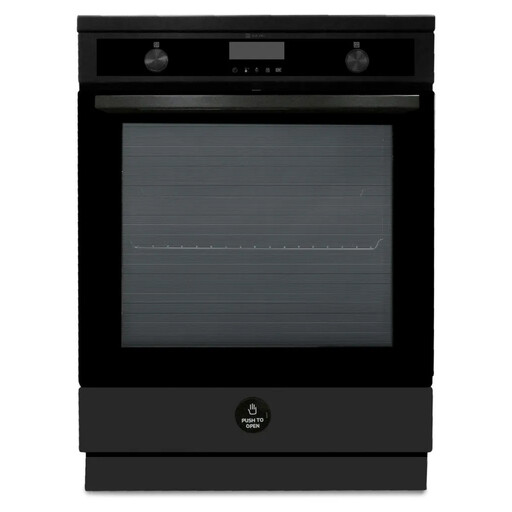 No image available
An option if you want to replace both your freestanding cooker and hob.
The product details list a 73 l capacity, fan cooking, an enamelled baking tray, nine heating functions and a temperature range of 30–300 °C.
Pyrolytic cleaning is listed. According to the product description, connection should be carried out by a qualified electrician.
 No image available
Could work if you’d prefer a compact countertop appliance to a built-in oven and plan to bake a smaller batch.
The product listing specifies a 28 l capacity, three heating modes, a baking tray and a temperature range of 100–230 °C.
Compare the interior and tray dimensions with your recipe. Its compact design doesn’t confirm that a large cake tray will fit inside.
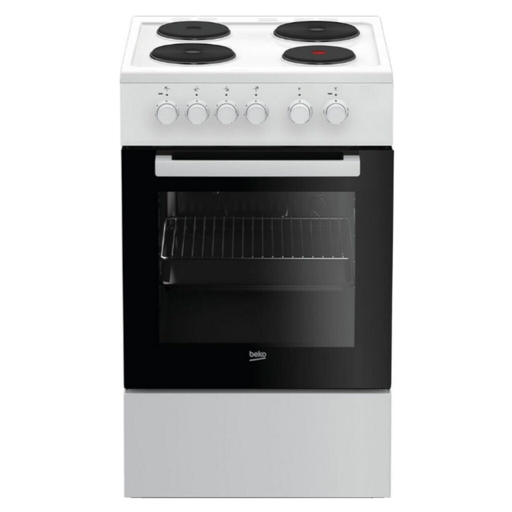 No image available
An option if you’re looking for a freestanding oven and hob combination rather than just replacing a built-in oven.
The product details list a 60 l oven, an enamelled baking tray and SteamShine cleaning.
Energy use for conventional cooking is listed as 0.85 kWh. Before choosing, check that the heating function, dimensions and connection suit how you plan to use it.
 No image available
Could suit you if you want a worktop appliance with a baking function instead of a built-in oven.
The product details list a 30 l capacity, 1800 W, a temperature range of 30–230 °C, 360° air circulation and six accessories. The product listing says it can fit a 13-inch pizza.
The description recommends cleaning the interior after each use. Check that the accessories and usable baking area suit your recipe.
No, the example recipe uses one tray. Dr. Oetker specifies a 40 × 30 cm baking tray, a fan setting of around 180 °C, the lower third of the oven and a baking time of about 35 minutes. If you want to bake on several trays at once, follow the appliance instructions for the type of bake you’re making.
First, check that the heating function and recommended shelf position match the recipe and appliance instructions. Electrolux notes that advice on baking on multiple levels applies only when the instructions for the specific appliance recommend doing so.
For an appliance covered by the EU oven label, compare the stated kWh per cycle for conventional cooking and fan cooking. The label figure doesn’t tell you how much energy a particular cake recipe will use; your usage and individual electricity tariff also matter.
The connection type depends on the specific appliance. For example, manufacturers describe compact ovens with plugs as well as cooker sets without plugs that require a fixed connection by a qualified electrician. Check the appliance specifications and your existing installation; this doesn’t mean every appliance supplied with a plug must be connected by an electrician.
Not every small or portable appliance is covered by the same EU energy-labelling rules as a household oven. The European Commission lists small and portable ovens as outside the scope of the relevant rules. The absence of a comparable oven label doesn’t, by itself, indicate the appliance’s quality.