
Lieferung heute & morgen

Qualitätsgarantie

Willkommens-Angebote freischalten: KOSTENLOSE Lieferung | Bis zu 80 % RABATT | Kostenlose 30-Tage-JoyPlus-Testphase
App herunterladen
Finding authentic Asian beverages can be a challenge. Especially with products like plum wine, you'll encounter a variety of terms: Is it a wine, a liqueur, or something else entirely? Many people want to recreate the culinary experience from their favourite restaurant at home but are unsure which product is the right one.
This article serves as your guide. As your Joybuy Product Recommendation Officer, I will introduce you to a selection of green plum-based drinks and explain the key differences to help you make an informed decision. We'll look at various options, from alcoholic liqueurs to refreshing teas.
To find the right product, it helps to know a few basic criteria. The choice largely depends on your personal taste and intended use.
The term plum wine is often used colloquially to mean plum liqueur. This is typically a spirit in which green plums are macerated (steeped) over a long period. An example of this is the Meijian Liqueur, which is made with a Baijiu base.
There are also non-alcoholic alternatives:
The origin significantly shapes the character of the drink. A Chinese plum wine (often a liqueur) is known for its balanced ratio of sweetness and acidity, which comes from macerating the fruit in a base spirit like sorghum schnapps.
Korean plum tea, known as Maesil Cha, is traditionally made as a concentrate and offers an intense, fruity aroma that can be adjusted depending on how it's prepared. The choice of plum variety and its ripeness at harvest are crucial factors for the final taste experience.
Consider how you want to enjoy the drink:
Here is a curated selection of products that represent the diversity of green plum-based beverages.
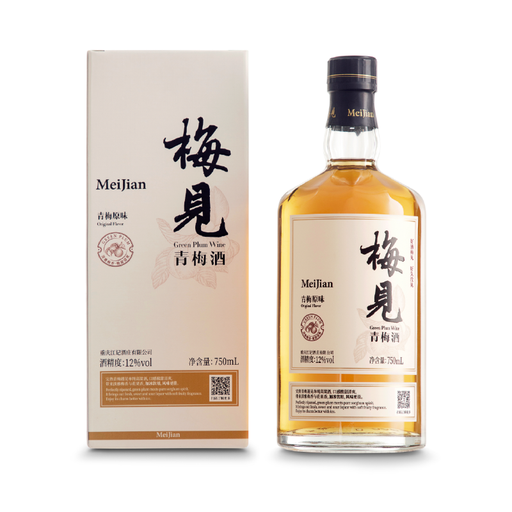
Why It Stands Out: This product follows a traditional Chinese production method. The base is a pure sorghum Baijiu from the Jiangji Distillery, whose aroma doesn't overpower the fruit notes. According to the manufacturer, hand-picked Puning plums harvested at 80% ripeness are used. The subsequent 90-day maceration process is designed to extract the pure plum juice and ensure a balanced sweet-and-sour flavour profile.
Pros:
Who It's For: Those seeking the authentic taste of a Chinese plum liqueur, like the ones often served in restaurants. It's also a great choice for social gatherings or for mixing light cocktails.
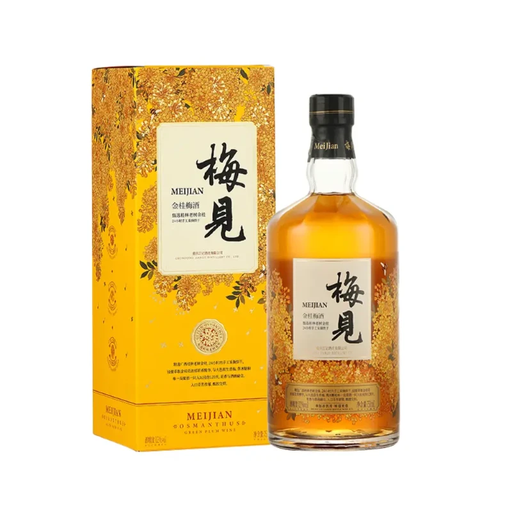
Why It Stands Out: This variation of the Meijian Liqueur combines the fruity acidity of green plum with the floral, sweet aroma of the osmanthus flower. The combination creates a complex taste experience with a long-lasting finish. The pure grain base and natural fermentation result in a mild and smooth character.
Pros:
Who It's For: Adventurous connoisseurs who want to try an aromatic and floral twist on the classic plum liqueur. Its elegant design also makes it a great gift option.
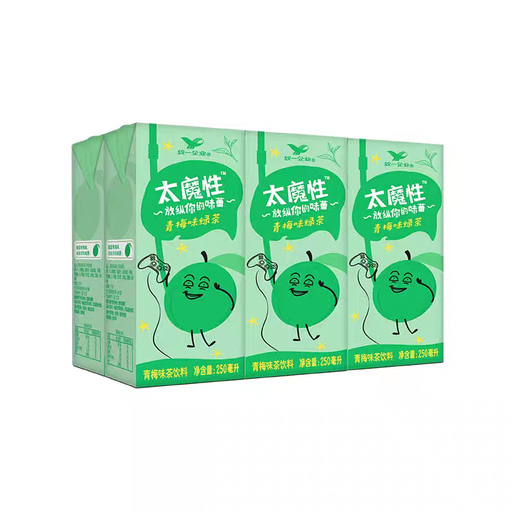
Why It Stands Out: This non-alcoholic, ready-to-drink beverage offers a hassle-free way to enjoy the taste of green plum. It is based on real green tea combined with a distinct plum aroma. The result is a refreshing drink with a pleasant balance of sweetness and acidity.
Pros:
Who It's For: Anyone looking for a quick, refreshing, and non-alcoholic Green Plum Drink for on the go, at work, or as an accompaniment to meals.
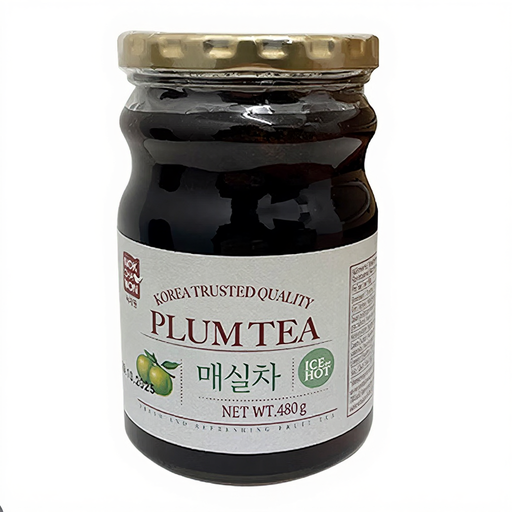
Why It Stands Out: This product is a traditional Korean Maesil Cha concentrate. It consists of a green plum extract and fructose, which gives it a syrup-like consistency. Its strength lies in its versatility: it can be used to prepare hot or cold drinks and also serves as a cooking ingredient.
Pros:
Who It's For: People specifically looking to buy Maesil Cha to prepare traditional Korean plum tea themselves. Also ideal for creative cooks and health-conscious consumers seeking a versatile, non-alcoholic ingredient.
This selection offers a first glimpse into the world of green plum beverages. If you'd like to discover other variations or different brands, you can find a wider range of products in our category.
Discover our entire range of Green Plum Drinks
1. What is the difference between plum wine and plum liqueur? In common parlance, the terms are often used interchangeably. Technically speaking, a plum wine is a beverage fermented from plums. However, most products known in the West as "Chinese plum wine" are actually plum liqueurs. For these, a base spirit (e.g., from grain) is used, in which green plums are steeped to extract their aroma and flavour.
2. What is the best way to serve Chinese plum liqueur? The most common recommendation is to serve it well-chilled (at 8–12 °C) or on the rocks. It also serves as an excellent base for a refreshing long drink when topped up with soda water or a mild tonic water.
3. Are there good non-alcoholic alternatives to plum wine? Yes, there are several options. A ready-to-drink Green Plum Drink with a tea base is a straightforward choice. For more flexibility, you can use a Plum Tea concentrate (Maesil Cha) to mix your own hot or cold beverage according to your preference.