
Lieferung heute & morgen

Qualitätsgarantie

Willkommens-Angebote freischalten: KOSTENLOSE Lieferung | Bis zu 80 % RABATT | Kostenlose 30-Tage-JoyPlus-Testphase
App herunterladen
A soft plush toy is more than just a plaything. It's a comforter, a friend, and often a lifelong companion. However, the search for the perfect one can quickly become overwhelming. Many products promise softness and durability but fail to deliver. This guide will help you recognise common purchasing pitfalls and make an informed decision.
Before you decide on a model, it's helpful to know the typical problems that often only become apparent after the purchase.
To avoid these problems, you should carefully examine three core features. These provide insight into the actual quality and longevity of a plush toy.
The feel and durability of a plush toy depend directly on the material.
Toys sold in the EU are subject to the Toy Safety Directive (EN 71). It sets strict requirements for mechanical properties and chemical safety.
A beloved stuffed animal needs to be cleaned regularly. The manufacturer's care instructions are crucial for this.
Here are some recommendations tailored to different user profiles that take the above criteria into account.
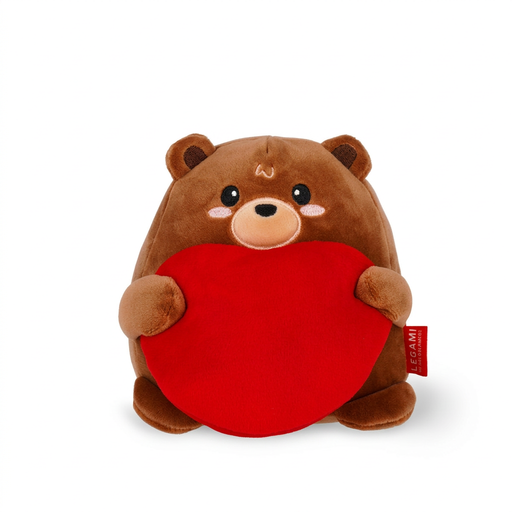
Why This Fits Their Persona: Ideal as a gift idea where a personal touch matters. The included ID card allows you to give the teddy a name and a personal message, making it a unique keepsake.
The facial features are precisely embroidered, which bypasses the risk of detached small parts. The polyester and elastane material is designed for a smooth, pleasant feel.
Includes a customisable ID card for a personal message. The design allows it to stand securely on its own on surfaces.
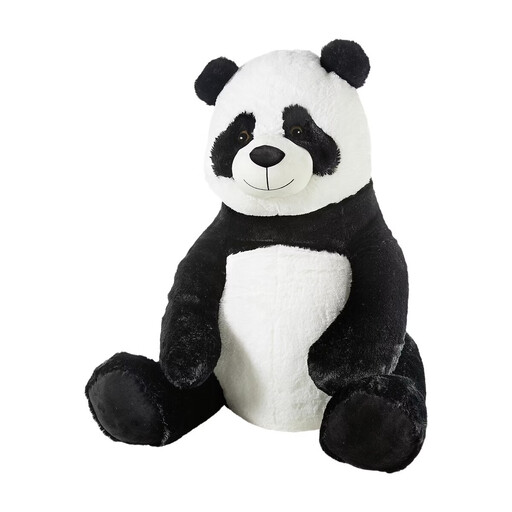
Why This Fits Their Persona: For anyone looking for a truly large teddy bear or an impressive stuffed animal for children. At 100 cm tall, this panda is a real eye-catcher and a generous cuddle partner or a cosy backrest.
This plush toy is fully machine washable at 30°C, solving the problem of difficult cleaning for large stuffed animals. The robust construction is designed for longevity.
Impressive size of 100 cm. Thanks to its balanced design, the panda can sit securely. Fully machine washable for easy hygiene.
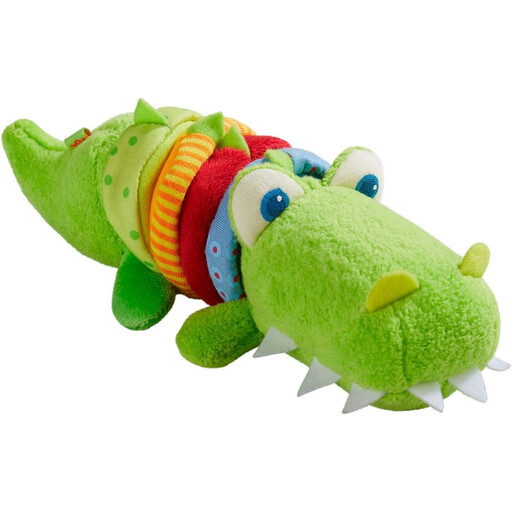
Why This Fits Their Persona: Specially designed for babies from 6 months old. It's not just a plush toy but also a grasping and discovery toy that promotes fine motor skills and provides entertainment with its rattle effect.
As a product from a brand specialising in baby toys (HABA), it meets high safety standards. There are no small parts that can be swallowed, and the materials are tailored to the target group.
Promotes fine motor skills through grasping and pulling. An integrated rattle motor provides acoustic stimulation. Suitable for babies from 6 months old.
We have compiled a complete, up-to-date list of products that fully meet these strict selection criteria and German safety regulations.
1. How do I wash a plush toy correctly without damaging it? Always check the care label first. For machine-washable plush toys, a gentle cycle at a maximum of 30°C is recommended. Use a mild detergent and place the plush toy in a laundry bag. Afterwards, let it air dry and avoid the tumble dryer, as the heat can damage the fibres.
2. How can I identify a safe plush toy for a baby? A safe plush toy for babies (0-3 years) should not have any small parts like plastic eyes or buttons that could come loose. Look for embroidered details. The product should be explicitly designated for the age group "from 0 months" or "from 6 months" and comply with the European toy standard EN 71.
3. What is the difference between polyester and cotton filling in plush toys? Polyester filling (often referred to as PP cotton) is the industry standard. It is lightweight, hypoallergenic, retains its shape, and dries quickly, making it ideal for washable toys. Pure cotton filling is a natural material but tends to clump when wet and dries very slowly, which can promote mould growth. Therefore, polyester is preferred for most modern plush toys.