
Lieferung heute & morgen

Qualitätsgarantie

Willkommens-Angebote freischalten: KOSTENLOSE Lieferung | Bis zu 80 % RABATT | Kostenlose 30-Tage-JoyPlus-Testphase
App herunterladen
A plush toy is often more than just a toy—it's a loyal companion, a source of comfort, and a friend to children. But the selection is vast, and not every stuffed animal that looks cute at first glance is a good choice. Many buyers fall into common traps, ranging from hidden safety hazards to poor durability. This guide will show you what to look for when buying a plush toy to avoid disappointment and find a safe, high-quality product.
Before we dive into quality features, it's important to know the typical problems that often only become apparent after the purchase.
To avoid these pitfalls, you should base your purchasing decision on objective criteria. The following three points are crucial for safety and longevity.
Every toy sold in the EU must bear the CE mark. This confirms that the product meets the basic requirements of the EU Toy Safety Directive (EN 71). Pay special attention to the following aspects covered by this standard:
The outer material determines the feel and durability. High-quality polyester plush is a common and excellent choice, as it is typically hypoallergenic, durable, and easy to clean. The filling, usually made of polyester batting, should be evenly distributed and not clump together after washing. Tight, strong stitching (ideally double-stitched seams) prevents the filling from escaping.
An ideal companion for children must be easy to care for. Check the sewn-in label for clear washing instructions. A machine wash at 30°C on a gentle cycle is the standard for hygienic cleanliness without damaging the material. Products that only allow for surface washing are less suitable for the rigours of a child's daily life.
To put theory into practice, we have matched some products from our range to different requirement profiles.

Why it's a great fit: According to the manufacturer NICI, this stuffed animal is suitable from 0 months. It's made of very soft plush and is specifically designed for the needs of babies who explore their environment with their mouths and hands.
The large, glittery eyes are firmly integrated into the material, not attached as separate buttons. This minimises the risk of small parts detaching and becoming a choking hazard.
Made from high-quality, super-soft NICI plush, known for its durability and pleasant feel. It is also easy to care for.
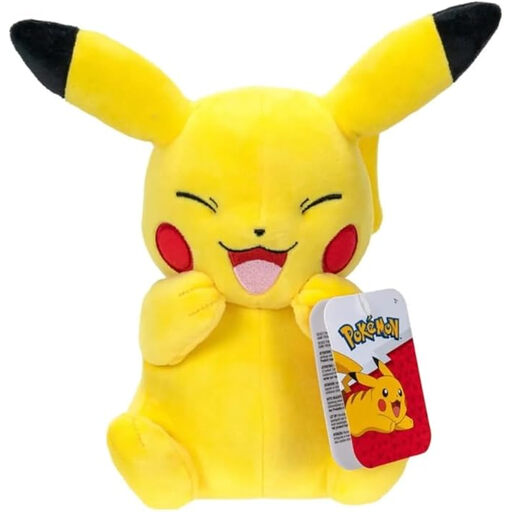
Why it's a great fit: As an officially licensed product, this Pikachu plush specifically targets fans and collectors of the Pokémon franchise. The design is faithful to the character from the animated series and has high recognition value.
Officially licensed products, like this one from Jazwares, must comply with current safety standards (in this case, EN71). This provides greater assurance of tested materials and craftsmanship compared to no-name imports.
Authentic design and official collector's value. The soft polyester material makes it suitable for both display and cuddling.
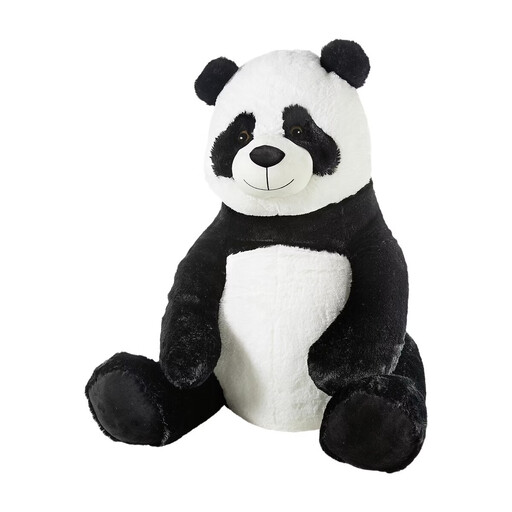
Why it's a great fit: This large plush toy, standing 100 cm tall, is more than just a toy. It serves as an impressive decorative piece in a child's room, a backrest for reading, or a larger-than-life playmate.
Many large plush toys are not washable. This model from Heunec avoids the "washing trap" as it can be machine-washed at 30°C according to the manufacturer, ensuring long-term hygiene.
The combination of its impressive size and practical machine-washability. Its stable, seated position also ensures it stands securely.
We've compiled a complete, up-to-date list of products that fully meet these strict selection criteria and all relevant safety regulations.
The frequency depends on its use. A stuffed animal that a child sleeps with every night should be washed every few weeks or whenever it's visibly dirty. It's also advisable to clean it immediately after a child has been ill. Always follow the care instructions on the manufacturer's label.
The CE mark is a self-declaration by the manufacturer that the product complies with applicable EU regulations, particularly the Toy Safety Directive EN 71. It is not an independent quality seal but a fundamental requirement for sale within the EU. It signals that basic safety aspects, such as material composition and mechanical strength, have been addressed.
While many large plush toys are approved for children aged 12 months and up, very large and heavy ones should not be left unsupervised with a baby in a cot or playpen due to the potential risk of suffocation. They are better suited for supervised play or as room decoration until the child is old enough to move around safely and independently.