
Lieferung heute & morgen

Qualitätsgarantie

Willkommens-Angebote freischalten: KOSTENLOSE Lieferung | Bis zu 80 % RABATT | Kostenlose 30-Tage-JoyPlus-Testphase
App herunterladen
A plush toy is often more than just a toy. It becomes a loyal companion, a sleep aid, and a comforter all in one. But the selection is vast, and not every plush toy that looks appealing at first glance is a good choice. Many products have hidden defects that only become apparent after purchase. This guide will help you navigate common purchasing traps and find a safe, durable stuffed animal that will bring genuine joy.
Before we dive into the important quality features, let's look at the problems that frequently lead to disappointment.
To avoid these pitfalls, you should check three key aspects before buying. These will help you objectively assess the quality of a plush toy.
Material quality is paramount, especially for toys intended for the youngest children. Pay attention to the following points:
A durable stuffed animal is distinguished by its robust construction.
Not every plush toy is suitable for every age.
Based on the criteria mentioned, we have identified a few products that are well-suited for different requirement profiles.
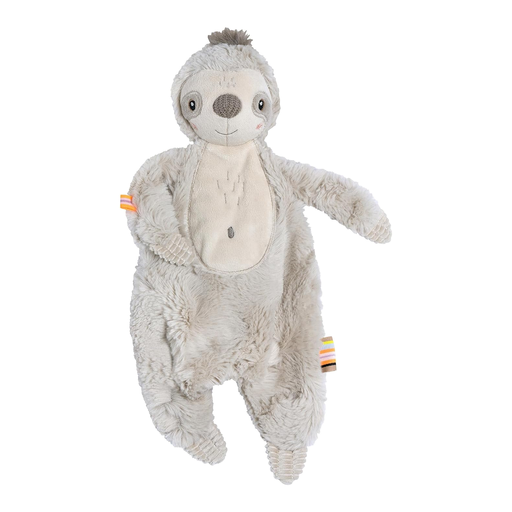
Why it's a great fit: Perfect as a first newborn gift. It combines the function of a comforter with that of a grasping toy. The design is simple, safe, and specifically tailored to the needs of newborns.
According to the manufacturer, the product is suitable for babies from 0+ months and has been tested for safety by independent institutes. It has no small parts that can be swallowed and is machine-washable, thus avoiding the durability and safety pitfalls.
The combination of soft materials (plush, velour, corduroy) stimulates the sense of touch. Its shape is easy for small hands to grasp and hold.
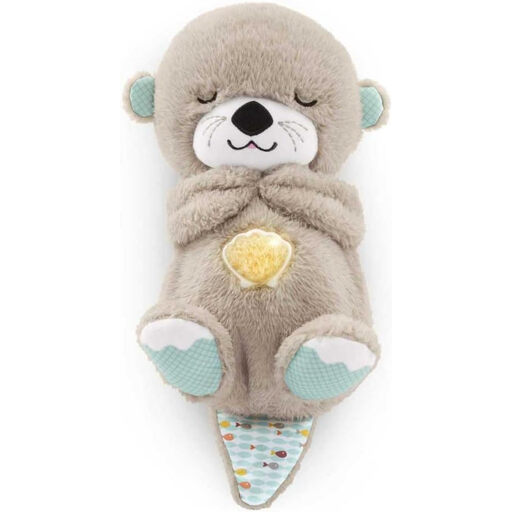
Why it's a great fit: For parents looking for a dedicated baby sleep aid. The otter combines a soft feel with calming features specifically designed for babies.
The features are not superfluous but are targeted for soothing (rhythmic breathing motion, white noise). The electronics module is removable, making the plush body machine-washable and avoiding the poor hygiene pitfall.
The customisable settings (up to 30 minutes of music and sounds, lights, motion) allow for individual adjustment to the baby. The breathing motion can have a calming effect.
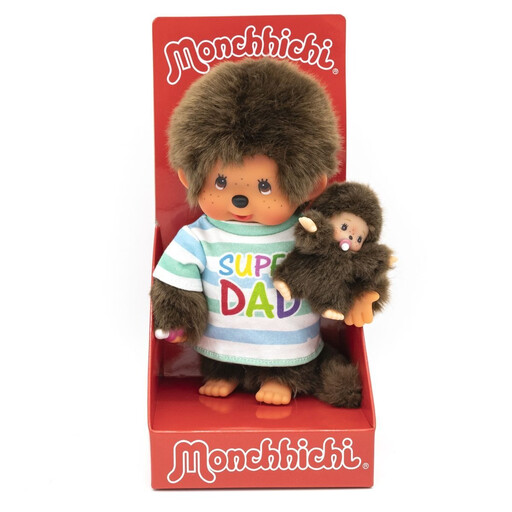
Why it's a great fit: A classic stuffed toy for collectors, nostalgia fans, or as a special gift for older children. Its value lies in its iconic design and brand recognition.
This product is not aimed at babies and has a clear age recommendation (2 years and up). It forgoes fragile electronics and relies on durable materials (plush body, plastic face). Safety warnings are clearly stated.
High recognition value and collectible character. The signature feature—the pacifier that can be put in its mouth—offers interactive play value without complex technology.
We've compiled a complete, up-to-date list of products that fully meet these strict selection criteria and safety regulations.
The frequency depends on its use. A plush toy that serves as a constant companion and sleep aid should ideally be washed every one to two weeks. Less frequently used plush toys can be cleaned monthly or as needed. Always follow the manufacturer's care instructions on the label.
Look for the CE mark as a basic requirement. For babies under three, embroidered facial features are safer than sewn-on plastic parts. The material should be short-pile to prevent fibres from being swallowed. Additional certificates like OEKO-TEX provide assurance that the material has been tested for harmful substances.
Simple rattles inside are interesting from around three to six months. Heat-up toys are often suitable from birth, but the heating instructions must be followed exactly, and their use must be supervised by an adult. More complex sound and light functions are typically designed for babies from about nine months, when they can interact more purposefully with the toy. In all cases, check the manufacturer's age recommendation.