By the Joybuy Product Recommendation OfficerLast updated: August 29, 2026
Plush toys are more than just playthings. They are comforters, adventure companions, and for many, a lifelong friend. The selection is vast, ranging from the classic teddy bear to interactive robotic pets. However, this very diversity makes the decision difficult. All too often, unclear product descriptions and clever marketing lead to purchases that later turn out to be unsuitable or even unsafe.
This guide will help you recognise the typical pitfalls and make an informed decision. We focus on the objective criteria that truly matter, so you can find a durable and safe plush toy.
The 3 Most Common Pitfalls When Buying Stuffed Animals
Before choosing a model, it's helpful to know the most common problems that often only become apparent after the purchase.
- Hidden Safety Risks: Many budget-friendly plush toys, especially unbranded products, can have safety defects. These include poorly attached button eyes, which become a choking hazard for small children, or the use of materials that do not comply with European toy safety standards (EN 71) and may contain potentially harmful substances.
- Lack of Durability: A plush toy should withstand many hugs and hours of play. However, a common annoyance is weak seams that tear open after a short time, releasing the stuffing. Equally problematic is low-quality plush material that quickly becomes matted, rough, and loses its soft texture, especially after the first wash.
- Misleading Interactive Features: An interactive plush toy often promises complex reactions, sounds, and movements. In practice, however, the functions of some models are limited to a few, constantly repeating actions. The advertised "interaction" then turns out to be a simple mechanism that quickly loses its appeal and does not justify the higher price.
What Really Matters: Key Selection Criteria
To avoid the issues mentioned above, you should check three key aspects before buying. These form the basis for a safe and satisfying choice.
1. Material Safety and Certifications
Safety, especially for a plush toy for babies, is the top priority. Look for the following labels and properties:
- CE Marking: This mark is mandatory for all toys sold in the EU. With it, the manufacturer declares that the product complies with the applicable EU directives.
- EN 71 Standard: This is the European standard for the safety of toys. It regulates, among other things, mechanical properties (e.g., tear resistance), flammability, and the migration of certain chemical elements. A product that meets this standard offers a basic safety guarantee.
- Materials: For babies and toddlers, stuffed animals with embroidered eyes and noses are a safe choice, as no small parts can be swallowed. The plush should be short-piled to minimise the inhalation of fibres.
2. Build Quality and Ease of Care
A good companion must be robust and easy to clean.
- Seams: Check the seams for strength. Double seams are an indicator of higher quality and prevent the stuffing from escaping.
- Stuffing: The stuffing should be evenly distributed, soft, and hold its shape. High-quality polyester batting is often the standard choice here. For a warmable plush toy, it is important that the filling (e.g., a millet-lavender mixture) is removable so that the cover can be washed separately.
- Washability: A plush toy is used intensively and must therefore be cleaned regularly. Check the care label. Machine washability at 30°C on a gentle cycle is a major advantage.
3. Age-Appropriate Design and Function
Not every plush toy is suitable for every age.
- For Babies (0-12 months): Simple shapes, high-contrast colours, and washable materials without any small parts are ideal. Additional features like soothing sounds can be beneficial.
- For Toddlers (1-3 years): Motor skills are more developed. Plush toys with simple interactive elements or accessories like a small backpack encourage role-playing.
- For Children and Collectors (3+ years): The selection becomes broader here. Licensed characters like Pokémon plush, trending products like Squishmallows, or detailed collectible plush toys become relevant. More complex interactive functions are also exciting at this age.
Products for Specific Needs
Here are some recommendations tailored to different user profiles, taking into account the criteria mentioned above.
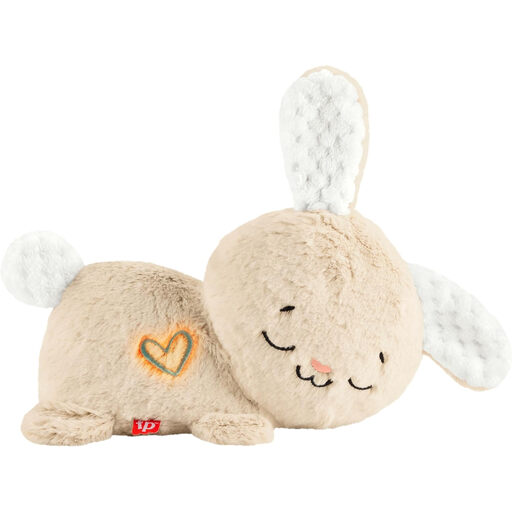
MATCH FOR: The Little Ones
Why This Fits Their Persona: This product is designed specifically for babies. It combines a soft plush bunny with a sound machine that plays soothing sounds and gentle lights to help with falling asleep.
How It Avoids the Trap
The design is free of small parts that could be a choking hazard. The electronics module can be easily removed for machine washing the plush body, thus avoiding the pitfalls of poor hygiene and safety.
Key Advantage & Pros
Combination of a plush toy and a sleep aid; machine-washable fabric; customisable soothing modes.
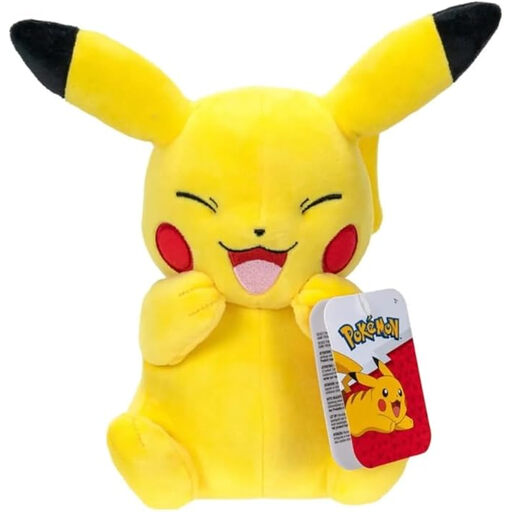
MATCH FOR: Fans and Collectors
Why This Fits Their Persona: As an officially licensed Pokémon product, this Pikachu plush is ideal for fans of the series and collectors who value authenticity and true-to-character design.
How It Avoids the Trap
Licensed products from established manufacturers like Jazwares must meet strict safety and quality standards (including EN71). This minimises the risk of material defects and poor workmanship often found in counterfeit items.
Key Advantage & Pros
Officially licensed; high detail accuracy; meets safety standards; ideal for collections.
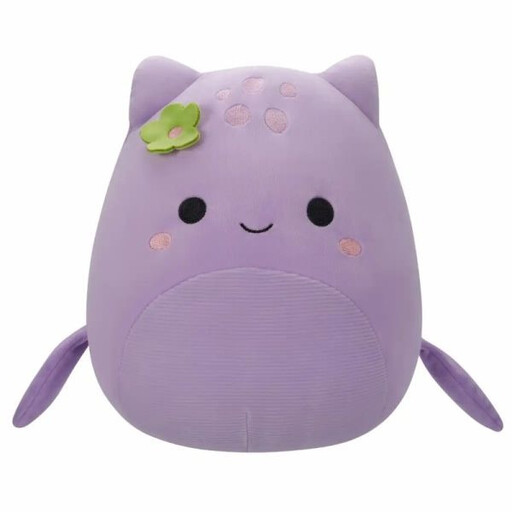
MATCH FOR: Trend-Seekers & Tactile Fans
Why This Fits Their Persona: Squishmallows are a global phenomenon, known for their unique, extremely soft, and "marshmallow-like" texture. They appeal to children, teens, and adults looking for a particularly tactile and trendy cuddle experience.
How It Avoids the Trap
The Squishmallows brand identity is built on the high quality of its material. Unlike cheap plush toys that quickly become matted, this material retains its characteristic softness and shape when properly cared for.
Key Advantage & Pros
Unique, ultra-soft texture; high collectible value due to diverse characters; suitable for a wide age range.
Looking for more options?
We have compiled a complete, up-to-date list of products that fully meet these strict selection criteria and rigorous safety regulations.
Frequently Asked Questions (FAQ)
How do you clean plush toys correctly?
The correct cleaning method depends on the material and any built-in electronics. Always check the care label first.
- Machine Washable: Many plush toys made of polyester can be washed at 30°C on a gentle cycle. Use a laundry bag to protect the material.
- Hand Wash: Delicate fabrics or plush toys with special details should be hand-washed in lukewarm water with a mild detergent.
- Not Washable: For toys with permanently installed electronics or a warmable plush toy with a non-removable filling, only surface cleaning with a damp cloth is possible. Always let plush toys air dry. The tumble dryer can damage the plush material and the stuffing.
How can I identify safe stuffed animals for babies?
Safety is the most important criterion for a plush toy for babies. Look for the following features:
- CE marking and a reference to compliance with the EN 71 standard.
- No small parts: Eyes, nose, and other details should be embroidered, not attached as buttons or plastic parts.
- Short-pile plush: Long fibres can come loose and be inhaled.
- No long cords: Ribbons or cords pose a strangulation risk.
- Age rating: The recommendation "from 0 months" is a clear indicator of suitability for newborns.
What does the CE marking on plush toys mean?
The CE marking is a self-declaration by the manufacturer. With it, they confirm that the product meets the essential health and safety requirements of the relevant EU directives. For toys, this is primarily the Toy Safety Directive, which is specified by the EN 71 series of standards. It is not a quality seal awarded by an independent body, but it is a fundamental prerequisite for selling toys in the EU and an important first indicator of a product's safety.