
Lieferung heute & morgen

Qualitätsgarantie

Willkommens-Angebote freischalten: KOSTENLOSE Lieferung | Bis zu 80 % RABATT | Kostenlose 30-Tage-JoyPlus-Testphase
App herunterladen
Plush toys are more than just playthings. They are comforters, companions, and for many, a lifelong friend. However, the selection is vast, and not every stuffed animal lives up to its promise. Before you choose a new plush toy as a gift for children or for your own collection, it's important to know the common flaws that often only become apparent after purchase.
This guide will help you identify the crucial quality markers and make an informed decision.
The disappointment is immense when a new fluffy friend shows defects after a short time. Pay attention to these three points to avoid a bad purchase:
To avoid the problems mentioned above, you should check three key aspects before buying. These objective criteria will help you assess the quality of a plush toy, independent of advertising claims.
The CE marking is mandatory for toys sold in the EU. It signals that the product meets the EU's essential health and safety requirements, particularly the EN 71 standard. This standard regulates, among other things, mechanical and physical properties, flammability, and the migration of certain chemical elements. A plush toy for babies and toddlers should always bear this mark. Look for high-quality, pollutant-tested materials like polyester plush, which is known for being soft and durable.
You can recognise good workmanship by firm, clean seams. Gently pull on sewn-on parts like ears or arms to test their stability. A crucial feature for longevity and hygiene is washability. Check the care label: Is the stuffed animal machine washable, ideally at 30°C on a gentle cycle? This is especially important if the plush toy is intended for a child. For collector's items or plush toys with electronic components, only surface cleaning is often possible.
The manufacturer's age recommendation is not a mere formality but an important safety notice. For babies and toddlers under three years old, plush toys without small, swallowable parts (like sewn-on button eyes) are essential. Embroidered faces are often used here. Size also plays a role. A large plush toy or a giant teddy bear can be an impressive gift for older children, but for a baby in a crib, it can be unsuitable and potentially dangerous.
Based on these objective criteria, we have put together some products for different needs and age groups.

Why This Fits Their Persona: According to the manufacturer, this plush toy from NICI is suitable for children from 0 months. The large, glittering eyes are firmly integrated, and there are no loose small parts, making it a safe choice for babies.
It directly addresses the safety risk for small children. The construction without swallowable parts and its suitability from birth offer parents peace of mind.
Made from high-quality, super-soft NICI plush; suitable for newborns.
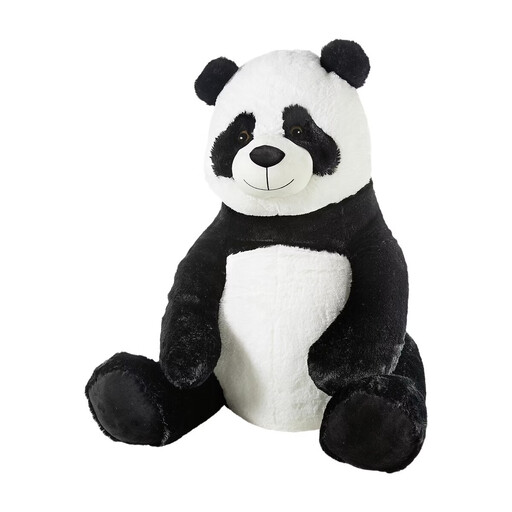
Why This Fits Their Persona: With an impressive height of 100 cm, this large plush toy is an eye-catcher in any room and a great companion to lean on while reading or relaxing. It serves as both a toy and a decorative element.
Despite its size, it elegantly solves the hygiene problem: according to the manufacturer, the panda is fully machine washable at 30°C, which makes care significantly easier.
Impressive 100 cm size; machine washable for easy hygiene.
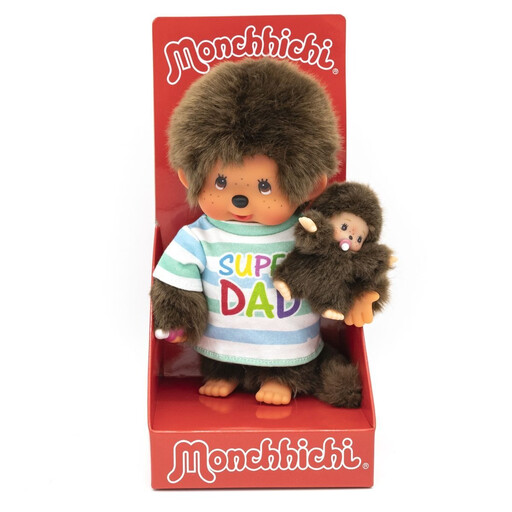
Why This Fits Their Persona: Monchhichis are iconic collector's items with a long history. This set, featuring a "Super Dad" and a mini-Monchhichi, is a special gift for children, fathers, and long-time fans of the brand, combining nostalgia with play value.
This product is more than just a generic plush toy. As a branded collector's item, it has a defined value and target audience. The care instructions (surface wash only) are appropriate for a collector's piece.
Classic design with high recognition value; ideal for collectors and as a nostalgic gift.
We've compiled a complete, up-to-date list of products that fully meet these strict selection criteria and EU safety regulations.
1. How do you clean a plush toy that isn't machine washable? For plush toys that are surface-wash only, use a damp cloth and a mild soap solution. Gently dab the soiled area without soaking the fabric. Afterwards, wipe with a clean, damp cloth and let the plush toy air dry. Avoid harsh cleaning agents or full immersion in water.
2. What exactly does the CE marking on stuffed animals mean? The CE marking confirms that the manufacturer declares that its product complies with applicable EU directives. For toys like stuffed animals, this is primarily the Toy Safety Directive (2009/48/EC), which is specified by standards like EN 71. It ensures that the toy is mechanically safe, does not contain hazardous small parts (for certain age groups), is not easily flammable, and adheres to limits for harmful chemicals.
3. From what age is a large plush toy safe? Very large plush toys are generally suitable for children aged 3 and up. For babies and toddlers under 12 months, no large, heavy plush toys or pillows should be placed in the crib, as they can pose a suffocation risk. Always adhere to the manufacturer's age recommendation and, for young children, use large stuffed animals only under supervision as a toy on the floor, not as a sleep aid in bed.