Collectors of finished episodes
If you’re storing completed episodes, raw recordings and project files elsewhere and only open them occasionally, check the size of your entire archive and allow for future growth before choosing a drive capacity.


For completed podcast projects that you rarely open, an external HDD may be a good fit if ample storage matters more than fast transfer speeds. If you transfer files frequently or work directly from the drive, an SSD may be more suitable; check that it’s compatible with your computer’s connection and file system. A single copy stored elsewhere won’t protect irreplaceable recordings from drive failure or accidental deletion, so plan a separate backup and test that you can restore files from it.
If you’re storing completed episodes, raw recordings and project files elsewhere and only open them occasionally, check the size of your entire archive and allow for future growth before choosing a drive capacity.
If you regularly move or edit project folders directly on an external drive, check that its connection and transfer requirements match your computer rather than relying solely on the quoted maximum speed.
If you want to be able to recover raw interviews and edits in progress in the event of a drive failure or accidental deletion, plan a separate backup as well as the archive stored elsewhere.
| Buying priority | What to check | Who is this especially important for? |
|---|---|---|
| Room for complete projects | Check the size of your complete project folders and expected growth; compare this with the usable capacity of the specific model. | If your limited internal storage needs to hold complete projects, space for raw recordings and versions matters. Around 36 % of consumers would make storage space their top buying priority. |
| Recoverability | Plan for a separate second copy and regular updates; test by opening a file from it. | If you need to keep irreplaceable recordings safe in case of failure or deletion, simply storing them elsewhere isn’t enough. Around 29 % of consumers would put recoverability first. |
| Connection and file system | Check your computer’s connection, cable and operating system, as well as whether you plan to use the drive for file storage or as a Time Machine volume. | If the drive needs to work with your current computer or a particular backup app, its connection and format are key. Around 21 % of consumers would prioritise compatibility. |
| Speed for ongoing production | Consider how often and how much you transfer; check that the USB connection and required cable match your computer. | If you regularly transfer large project folders or work directly from the drive, getting the right speed matters more than it does for an archive you rarely open. Around 14 % of consumers would cite frequent work with external storage as their top priority. |
If moving files leaves you with just one copy on the external drive, a fault or accidental deletion could put your archive at risk. The German Federal Office for Information Security recommends making sure that backed-up data can be restored.
Keep a separate copy and test that you can open a file from it.
An additional backup needs its own storage space and regular attention.
Manufacturer specifications apply under certain conditions. Your computer’s connection and cable can affect the speed you actually get when transferring files.
Before buying an SSD, check your USB connection and the cable you’ll need. You could also consider an HDD for an archive you rarely open.
A drive formatted for Windows can’t be used straight away as a Time Machine volume. Apple notes that reformatting erases any data already on the drive.
Before setting it up, decide whether you need a standard file archive or a Time Machine volume, and save any existing files somewhere else first.
The Canvio range includes USB-powered HDDs for file storage; Canvio Advance also offers downloadable backup and password software.
Expansion Portable is a range of USB-powered HDDs for storing files elsewhere.
The portable T7 Resurrected is an SSD option for frequent transfers; the T7 Shield is a separate model range.
The X9 Portable SSD is a compact USB-C option for transferring projects between compatible devices.
This selection includes external HDDs with space for projects stored elsewhere, as well as an external SSD for more frequent file transfers. Compare the size of your entire archive with the stated capacity, and check that the connection and where you plan to place the drive suit your computer.
 No image available
An external HDD may suit an archive that’s mainly used for storage and rarely opened.
5 TB; USB-C.
No image available
An external HDD may suit an archive that’s mainly used for storage and rarely opened.
6 TB; USB-C.
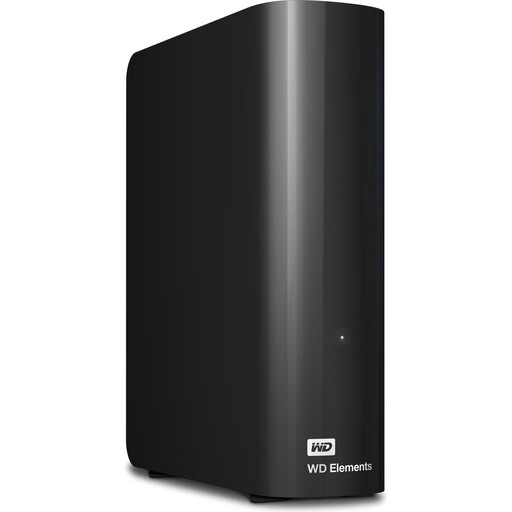 No image available
A desktop external HDD may suit a large archive if you have a permanent place to keep it.
6 TB; USB 3.0; 3.5 inches; NTFS.
The desktop drive needs an external power supply, a permanent place to sit and a mains socket.
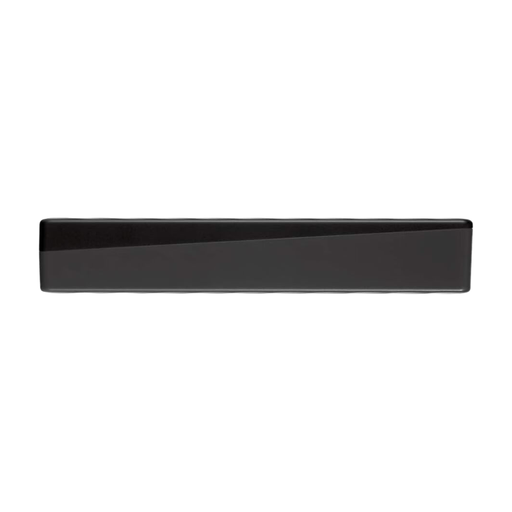 No image available
A portable external HDD may suit you if you want to store podcast files elsewhere and take the drive with you.
5 TB; USB 3.0.
According to the product description, the drive is formatted for Windows with NTFS.
 No image available
An external SSD may suit frequent file transfers or working directly from the drive; check that its connection matches your computer.
4 TB; USB Type-C; USB 3.2 Gen 2.
It may be enough to free up internal storage, but it won’t protect irreplaceable originals if it leaves you with just one copy. The German Federal Office for Information Security recommends making regular backups and notes that you also need to be able to restore the data from them.
No, a Windows-formatted volume isn’t suitable for this straight away. Apple recommends APFS or APFS (Encrypted) for new Time Machine backup volumes; reformatting erases any data already on the drive. Standard podcast file storage is a different use case.
Check the warranty and data recovery terms for the specific model in Germany. Seagate’s Expansion data sheet specifies a limited two-year warranty and Rescue services for EMEA, which may not be available in every country; this doesn’t guarantee data recovery for your purchase.
The guidance from the German Federal Commissioner for Data Protection and Freedom of Information doesn’t identify a particular HDD or SSD as a legal requirement. If you process personal data for purposes other than purely personal activities, check the data protection obligations and safeguards that apply to your specific situation; a device feature alone doesn’t demonstrate GDPR compliance.