
Lieferung heute & morgen

Qualitätsgarantie

Willkommens-Angebote freischalten: KOSTENLOSE Lieferung | Bis zu 80 % RABATT | Kostenlose 30-Tage-JoyPlus-Testphase
App herunterladen
Polarised cycling glasses aren’t automatically better just because the lenses are dark or mirrored. For road cyclists, mountain bikers and leisure riders, clear information about UV protection, polarisation, impact resistance, fit and weight matters most. If you focus only on sporty styling, you may not notice common drawbacks until you’re out riding.
Polarisation mainly reduces distracting reflections, such as those from wet tarmac, water or vehicle parts. UV400, on the other hand, describes the level of protection against ultraviolet radiation. These features serve different purposes, so they should be listed separately in the product description.
Polarised cycling sunglasses without clearly stated UV protection aren’t automatically suitable for cycling. Conversely, cycling glasses with UV400 protection may not be polarised.
A heavy frame can cause pressure on your nose, ears or temples during long rides. When choosing lightweight cycling glasses, the shape of the arms, the nose pads and the weight distribution matter just as much as the overall weight. A large lens may offer a wider field of vision, but it shouldn’t press so firmly against your cheeks or helmet that the glasses slip.
When choosing cycling glasses with a non-slip fit, look for silicone nose pads, rubberised arm tips or adjustable pads. A flexible frame alone doesn’t guarantee a secure fit. Sweat, head movements and bumpy forest trails will soon show whether the glasses are well designed.
TAC lenses, made from cellulose triacetate, are often used in polarised sports glasses. They can filter reflected light and change how you see in bright conditions. However, the stated visible light transmission is what matters most. A low value may suit bright sunshine, but be less practical in changeable weather or on forest trails.
According to the manufacturer, the Revoray Y1 series has a light transmission of around 15.2 per cent. This suggests they’re suited to bright daylight. If you ride at dusk, consider the tint separately.
Cycling glasses with UV400 should state their UV protection clearly. For the Y1 models featured here, the manufacturer specifies 100 per cent UV400 protection. This information comes from the product details and shouldn’t be taken as a medical claim about effectiveness.
Cycling glasses with PC lenses can also offer UV protection. PC, or polycarbonate, is often used for its impact resistance. However, UV400 protection and polarisation should be checked separately, regardless of the lens material.
TR90 is a thermoplastic frame material described in the product details as flexible and shape-retaining. When choosing MTB or road cycling glasses, make sure the frame isn’t too tight or too loose. These practical features are worth checking:
According to the manufacturer, the Y1 models meet the ANSI Z87.1 performance standard for impact resistance. ANSI Z87.1 is a US testing standard and doesn’t automatically replace a European conformity assessment. If you’re looking for ANSI-certified sports glasses, check the specific markings and manufacturer information as well.
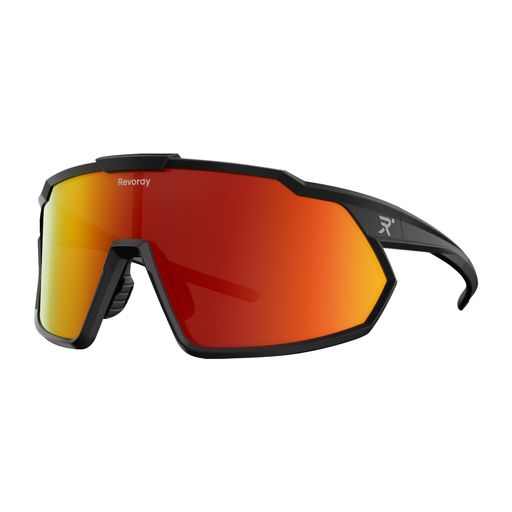
Why this product suits this type of rider: For your first road or leisure rides, this model offers a clearly specified combination of TAC polarisation, UV400 protection and a weight of around 33 g.
The product details list polarisation, UV400 protection and light transmission separately, rather than bundling these features into a general marketing claim.
TAC lenses, a weight of around 33 g, a TR90 frame and adjustable silicone nose pads, according to the manufacturer.
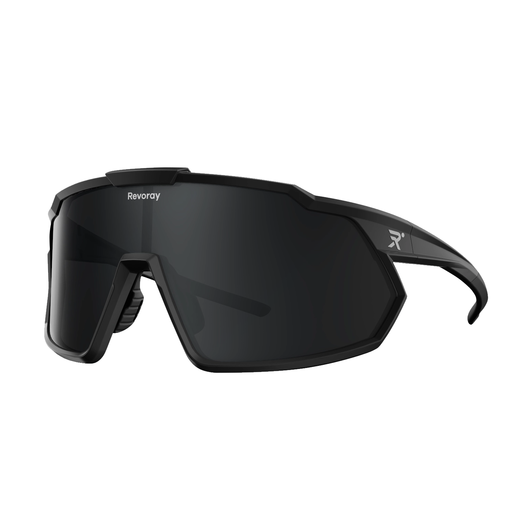
Why this product suits this type of rider: The black version is aimed at riders who compare technical details about coatings, fit and protection standards before buying.
Water- and oil-repellent, as well as scratch-resistant, coatings are listed alongside the tint. These details should still be treated as information supplied by the manufacturer.
TAC polarised lenses, UV400 protection, an ANSI Z87.1 performance standard according to the manufacturer, and adjustable non-slip nose pads.
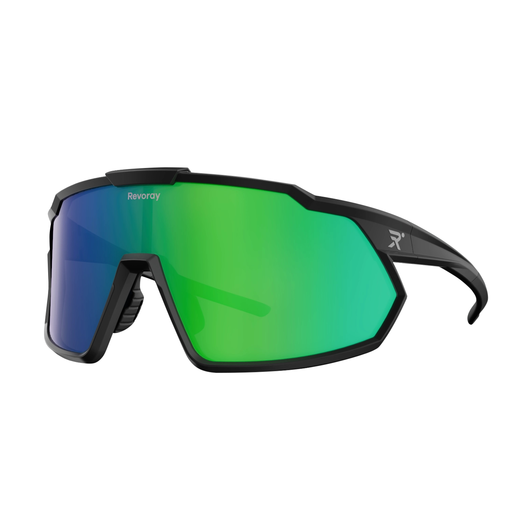
Why this product suits this type of rider: For regular MTB, road and outdoor rides, easy cleaning, a secure fit and clear information about materials are particularly important.
Adjustable non-slip features combined with a water- and oil-repellent coating help address common problems caused by sweat and changing conditions.
TR90 frame, a weight of around 33 g, TAC lenses and stated UV400 protection, according to the manufacturer.
After your ride, rinse off dust and sweat with clean water first. A soft cloth helps prevent grains of sand from scratching the surface. According to the Revoray models’ manufacturer, avoid alcohol and harsh cleaning products. For carrying your glasses, use a case that protects the lenses from pressure and contact with sharp objects.
A coating isn’t a licence to clean your glasses carelessly. If you notice scratches, loose arms or a damaged lens, don’t continue using the cycling glasses for sport.
We’ve put together a complete, regularly updated list of products that fully meet these strict selection criteria and the safety regulations applicable in the EU.
Not necessarily. Polarised lenses can be useful in bright sunshine and around reflective surfaces. In cloudy weather, in the forest or at dusk, a dark tint can reduce the amount of light reaching your eyes. The stated light transmission can help you decide.
There’s no one-size-fits-all weight limit, as fit and pressure distribution matter too. According to the manufacturer, the Revoray models featured here weigh around 33 g. Before buying, also check the nose pads, arm shape and compatibility with your cycling helmet.
Their lifespan depends on how you use, clean and store them, as well as whether they’re exposed to impacts from falls. The frame may last longer than the lenses. Rinsing them regularly, keeping them in a protective case and avoiding heat and harsh cleaners can help protect the materials. For safety, replace them if they’re scratched or damaged.