
Lieferung heute & morgen

Qualitätsgarantie

Willkommens-Angebote freischalten: KOSTENLOSE Lieferung | Bis zu 80 % RABATT | Kostenlose 30-Tage-JoyPlus-Testphase
App herunterladen
Polarised cycling glasses can reduce distracting reflections from wet roads, car windows and bright paths. But the word ‘polarised’ on a product page isn’t the only thing that matters. A poor fit, missing details about UV protection or lenses with inadequate ventilation can all limit how useful the glasses are in practice.
Whether you ride a road bike, a mountain bike or go on longer outdoor rides, there are three common mistakes to avoid:
A pair of UV400 cycling sunglasses should clearly state the level of protection they offer. UV400 is generally understood to mean that UV radiation with wavelengths of up to 400 nanometres is blocked. Even so, check the specific manufacturer’s information and the labelling on the product listing.
Polycarbonate is widely used for sports glasses because it can be made lightweight and impact-resistant. However, ‘impact-resistant’ doesn’t mean a lens is unbreakable. Replace lenses that are damaged or badly scratched. Cycling glasses are also not designed for tasks such as grinding or machining.
Your line of sight often changes when you’re cycling. Curved lenses or a wide frame can give you a broader field of vision to the sides. However, how well the glasses suit you depends on your face shape and how they sit.
These details can be useful on longer rides:
Lightweight sports sunglasses should also feel comfortable with a helmet and any headband you may wear. For women and men alike, an adjustable design is often more practical than a rigid one-size-fits-all fit.
Anti-fog cycling glasses are particularly useful on slow climbs, in cold weather and in high humidity. Ventilated lenses can help improve airflow. This won’t prevent fogging in every situation, but it can help maintain visibility while you’re riding.
If you often ride between sunny and shady areas, photochromic cycling glasses may be worth considering. They change their tint according to the light. However, they may not react quickly enough to very rapid changes or when worn behind a car windscreen.
If you need cycling glasses for prescription wearers, check whether they include an insert for prescription lenses or can be worn over your regular glasses. The product description should give you specific details. An included prescription insert won’t necessarily suit every prescription; if needed, have it adjusted by an optician.
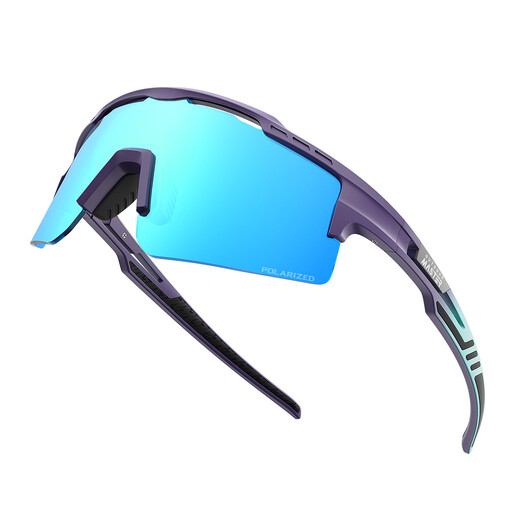
Why this product suits this profile: These polarised sports glasses for cycling and outdoor activities combine a TR90 memory frame with polarised TAC lenses, making them suitable for regular rides in bright daylight.
The product details specify both polarised TAC lenses and UV400 protection. This makes it easier to choose based on specific features rather than frame design alone.
TR90 memory frame, polarised TAC lenses, UV400 protection and an included storage case.
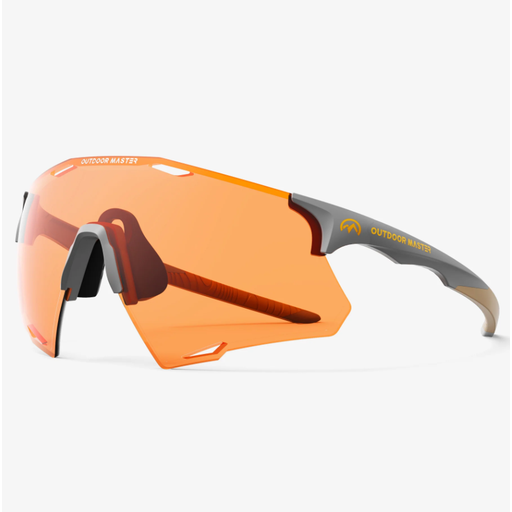
Why this product suits this profile: Road cyclists and mountain bikers who value ventilation, an adjustable fit and low weight will find several useful design features here.
The ventilated lens design helps address the common problem of fogging. Adjustable nose pads can also help reduce pressure points and slipping.
According to the product details, these glasses weigh 25.5 grams and feature UV400 protection, polycarbonate lenses, ventilation and an adjustable nose pad.
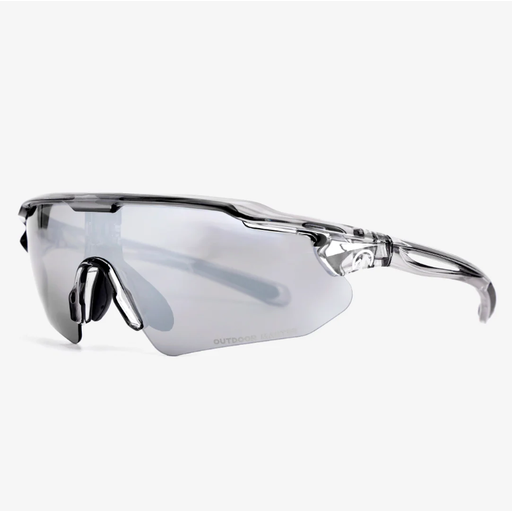
Why this product suits this profile: For riders who encounter changing light conditions, this model combines photochromic and polarised lenses with an included prescription insert.
The product description clearly explains how the lenses adapt to light, and also notes that they may not darken sufficiently inside vehicles. Bear this limitation in mind before buying.
TR90 frame, polycarbonate lenses, UV400 protection, photochromic and polarised technology, and a prescription insert.
We’ve put together a complete, regularly updated list of products that meet these strict selection criteria and fully comply with the safety regulations in force in the EU.
How long your glasses last depends on how you use, clean and store them. Don’t rub dust off the lenses when they’re dry, as this can scratch the coatings. Instead:
Many budget models aren’t designed for worn parts to be replaced. Before you buy, it’s worth checking what’s included, whether replacement lenses are available and the returns policy.
Yes. Polarised lenses can reduce reflections from roads and paths. For mountain biking, a secure fit, a sufficiently wide field of vision and impact-resistant materials are also important. Don’t use cycling glasses as a substitute for specialist protective eyewear during high-risk work.
The two technologies do different things. Polarised lenses are designed to reduce certain reflections, while photochromic lenses change their tint according to the light. If you often ride through woodland, open areas and changing weather conditions, you may benefit from a combination of both. Check the information about how much the lenses darken and where they’re suitable for use.
Good ventilation, a proper fit and regular cleaning can help reduce fogging. However, fog-free use can’t be guaranteed when temperatures change or humidity is high. Glasses that fit too closely can restrict airflow, while a loose fit can cause them to slip when you’re riding.