
Lieferung heute & morgen

Qualitätsgarantie

Willkommens-Angebote freischalten: KOSTENLOSE Lieferung | Bis zu 80 % RABATT | Kostenlose 30-Tage-JoyPlus-Testphase
App herunterladen
Polarised cycling glasses need to do more than a tinted pair of sunglasses. They should reduce glare, block UV rays, stay securely in place in windy conditions and keep your view of the road, gravel or trail as clear as possible. At the same time, many models differ considerably in lens type, fit and stated protection.
If you focus only on a mirrored finish or a low price, it’s easy to miss important details. This guide explains which features of sports glasses for cycling really matter and what to check before you buy.
A polarised lens can filter reflected light from road surfaces, water and metal. However, it doesn’t automatically provide stated UV protection or tested impact resistance. Check each separately, including details such as UV400, lens material and any safety standards.
Rubberised arms alone don’t guarantee a secure fit. The nose pads, arm shape, frame width and compatibility with your helmet and helmet straps all matter too. Cycling glasses with a non-slip fit shouldn’t need constant adjustment, even when you’re sweating or moving your head.
Low light transmission can feel comfortable in bright sunshine, but may make it harder to see in woodland, at dusk or in changeable weather. The visible light transmission figure, often referred to as VLT, can help you judge suitability. A lens with around 15.2% VLT is designed mainly for bright conditions.
According to the product details, UV400 means that UVA and UVB rays are blocked up to 400 nanometres. Check that this figure is explicitly listed in the technical specifications. A coloured or mirrored lens alone isn’t proof of UV protection.
For longer road or mountain bike rides, the tint and light transmission should also suit your route. UV400 cycling sunglasses with a dark tint are useful in strong sunshine, but may not be the best choice for dark woodland trails or evening rides.
A one-piece PC lens can provide a wide field of vision and is often described as impact-resistant or shatter-resistant. Even with shatter-resistant cycling glasses, check carefully which testing standard is listed. “Shatter-resistant” doesn’t mean the glasses can withstand every kind of impact.
The Revoray model with TAC polarised lenses is stated to have been tested to ANSI Z87.1. Another model from the same brand uses a one-piece PC lens with stated impact resistance. These details are based on the product descriptions and shouldn’t be taken as an unrestricted guarantee of protection in every accident.
Weight can make a practical difference on longer rides. Lightweight cycling glasses weighing around 30 to 33 g can help reduce pressure on your nose and ears. The TR90 cycling glasses frame is described in the product details as flexible and shape-retaining.
More important than any single material name is the combination of:
The models below cater to different needs, from polarised lenses for bright rides to a one-piece PC lens design for riders who prioritise a wide field of vision and impact resistance.
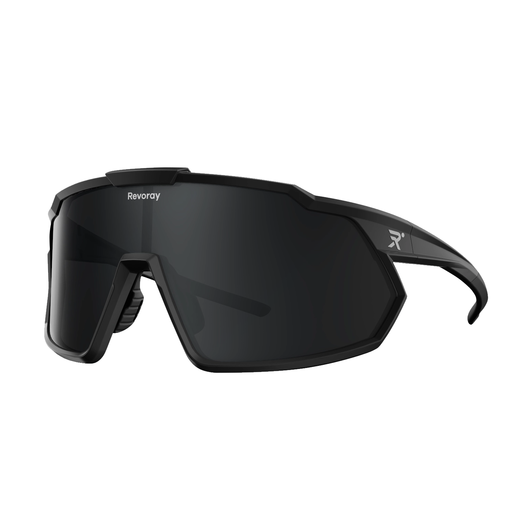
Why it suits this rider: Polarised TAC lenses, a UV400 rating and a weight of around 33 g cover the essentials for everyday rides and weekend outings.
The product details list both UV400 and visible light transmission of around 15.2%. This makes it easier to judge how well the glasses suit bright conditions than a general claim about the tint alone.
TAC polarised lens, weight of around 33 g, adjustable silicone nose pads, and a water- and oil-repellent coating, according to the product details.
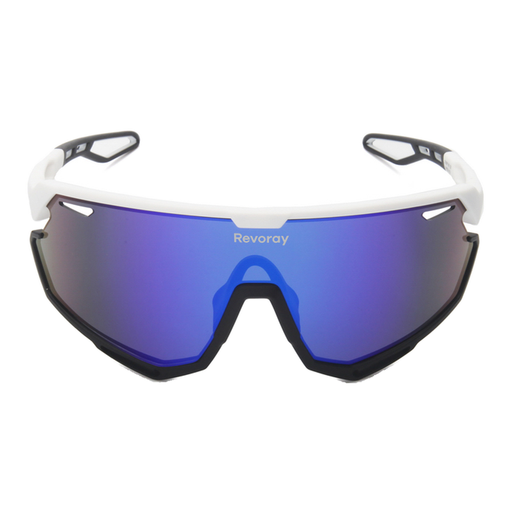
Why it suits this rider: The one-piece PC lens, TR90 frame and stated UV400 protection make this a good choice for riders who prioritise protective features and a wide field of vision.
Rather than relying on claims about a dark tint, the description specifies the lens material, UV400 protection and a design with stated impact resistance.
Weight of around 30 g, one-piece PC lens, rubber nose pad and non-slip arm tips, according to the product description.
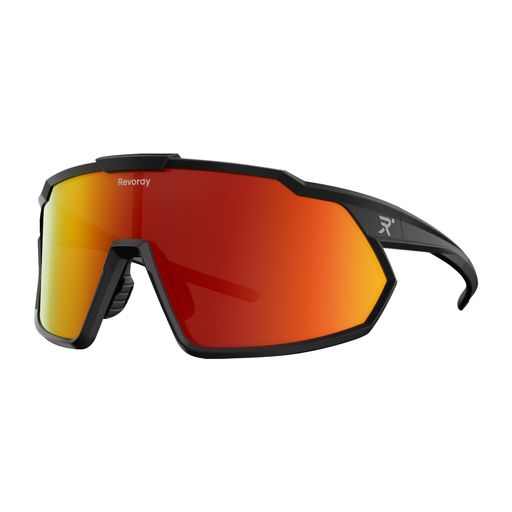
Why it suits this rider: For regular road cycling, mountain biking and outdoor rides, this model has polarised lenses with coatings designed for changing conditions.
The specifications combine polarisation with UV400, VLT and a stated test to ANSI Z87.1. This means several relevant features are listed separately.
TR90 frame, weight of around 33 g, adjustable non-slip nose pads, and a water- and oil-repellent coating, according to the manufacturer.
Even coated cycling glasses need the right care. First rinse off any dust with clean water, then clean the lenses with a soft cloth. Alcohol and harsh cleaning products can damage the coatings. Store your glasses in a case and avoid heavy pressure, high temperatures and contact with sharp objects.
How long your glasses last depends on scratches, falls, exposure to UV rays and temperature, as well as how often you wear them. Visible cracks, badly scratched lenses or loose arms are signs that it’s time for a replacement. A warranty is no substitute for checking the condition of your glasses before every ride.
Yes, as long as the fit, UV protection and lens material suit the conditions. On technical trails, a secure fit, good coverage and stated impact resistance are particularly important. If you regularly ride through woodland, avoid choosing lenses that are too dark.
This can happen, depending on the display, viewing angle and polarisation. If you regularly use a bike computer, smartphone or navigation device, check how readable the screen is with your chosen glasses. Polarised lenses aren’t automatically the best choice for every cockpit.
Assess the price against the specific features listed: UV400, lens material, weight, coatings, adjustability and fit. A higher price is only justified if the extra features are genuinely useful for the way you ride.