
Lieferung heute & morgen

Qualitätsgarantie

Willkommens-Angebote freischalten: KOSTENLOSE Lieferung | Bis zu 80 % RABATT | Kostenlose 30-Tage-JoyPlus-Testphase
App herunterladen
Polarised cycling glasses should reduce glare while you ride, stay securely in place and remain comfortable on longer journeys. But product descriptions often make big promises, while important details are buried in the small print. Three common buying mistakes can leave you with cycling sunglasses you barely use after a short time.
1. Polarisation is mistaken for automatic tint adjustment
Polarised lenses reduce reflected light, such as glare from wet roads, water or bright metal surfaces. However, they do not automatically adjust their tint as light levels change. That’s a feature of photochromic cycling glasses. If you set off in the shade in the morning and later ride in direct sunshine, look specifically for a combination of photochromic and polarised technology.
2. UV400 is taken to mean complete protection
UV400 refers to the stated protection range, up to a wavelength of 400 nanometres. According to the relevant product descriptions, several models in this selection offer UV400 protection. However, this tells you nothing about fit, impact resistance, tint level or suitability for specialist work. Sports glasses are not a substitute for certified protective eyewear for industrial tasks.
3. Low weight alone does not guarantee a secure fit
Lightweight TR90 cycling glasses can reduce pressure on your nose and ears. When buying, also check for adjustable nose pads, non-slip temple tips and the frame width. A frame that’s too wide or too narrow may slip while mountain biking, on fast descents or in strong winds.
Visible light transmission, often referred to as VLT, describes how much visible light passes through the lens. A lower figure usually means a darker tint, which can be useful in bright sunshine. For example, the blue-framed OutdoorMaster Hawk HD with grey Revo lenses is listed with a VLT of around 17 to 18 per cent. According to the product details, the Revoray Y1 models have a VLT of approximately 15.2 per cent.
For changing conditions, cycling glasses with interchangeable lenses may be more practical. For example, clear replacement lenses are included with the OutdoorMaster Hawk HD. You can use them in overcast skies or poorer light. When changing lenses, handle them by the edges and store them in their case afterwards.
TR90 is a thermoplastic frame material often used for sports glasses because it is flexible and relatively lightweight. Even so, check the stated weight carefully:
Weight alone does not determine comfort. Temple length, the nose bridge, frame width and lens shape also need to suit your face. Adjustable nose pads make it easier to fine-tune the fit, but they cannot make up for a frame shape that’s unsuitable to begin with.
Cycling glasses with an anti-fog coating can be useful in high humidity or when temperatures change sharply. Ventilation ports can also help air circulate. The OutdoorMaster LARK SV is described as having a vented lens design intended to reduce fogging. This does not mean the glasses will never fog up.
Water- and oil-repellent coatings make cleaning easier. Scratch-resistant coatings are also useful, but they cannot prevent all damage. According to the product details, the Revoray Y1 models have been tested for impact resistance to ANSI Z87.1. This refers to the stated performance standard and does not mean the glasses are suitable for every type of impact or for industrial protective work.
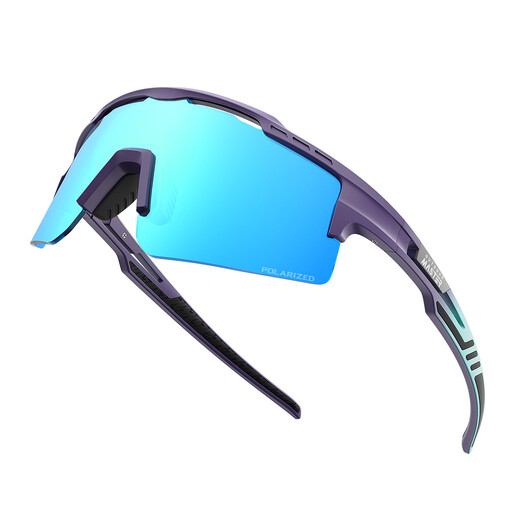
Why this product suits this profile: The combination of polarised TAC lenses, stated UV400 protection and a TR90 memory frame covers the main requirements for occasional bike rides and outdoor sports.
The product details specify the lens type, UV400 protection and frame material, rather than relying on vague claims about a ‘sports look’.
Polarised TAC lenses, an aerodynamic shape and an EVA case included, according to the product description.
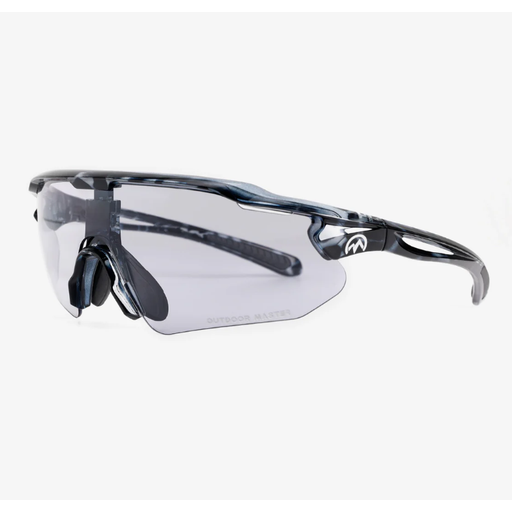
Why this product suits this profile: This model combines photochromic and polarised lenses with adjustable nose pads, and has a stated weight of 26 to 29 grams.
The tint adjustment is explicitly described as a photochromic feature, rather than being inferred from the word ‘polarised’ alone.
Polycarbonate lenses, stated UV400 protection, adjustable nose pads and an additional insert frame system, according to the product description.
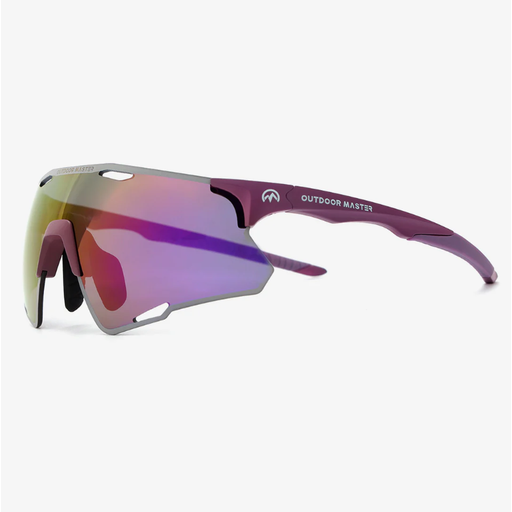
Why this product suits this profile: For regular rides in changing humidity, the vented lens design, adjustable nose pads and weight of around 25.5 grams are useful factors to consider.
The ventilation helps address the risk of fogging, while the nose pads let you adjust the fit. However, this does not guarantee that the glasses will never fog up.
Vented lens design, polarised polycarbonate lenses, stated UV400 protection and a case included, according to the product description.
We’ve put together a complete, regularly updated list of products that fully meet these strict selection criteria and the safety regulations in force in the EU.
How long your sports sunglasses last depends largely on how you clean and carry them, and how much UV light and heat they’re exposed to. Don’t rub dust off the lenses while they’re dry. It’s better to rinse them with water and then use a soft microfibre cloth. Harsh cleaners and alcohol can damage coatings unless the manufacturer specifically approves them.
After every ride, put your glasses in a hard case if possible. Scratches, loose arms or damaged lenses are more than cosmetic flaws: they can affect your vision. Sunglasses should not be used to look directly at the sun, for example during a solar eclipse.
It depends on the lens tint and VLT. Dark lenses with a low VLT are primarily designed for bright conditions. Interchangeable lenses or a lighter lens are more practical for overcast rides. Photochromic cycling glasses can adjust to light levels, although the degree of tint change depends on the temperature and light source.
UV400 protection refers to the stated protection against ultraviolet radiation up to 400 nanometres. Polarised lenses reduce reflected light and can therefore cut glare from roads or water. The two features serve different purposes and should be listed separately in the product description.
Price shouldn’t be considered in isolation. Clear information about lens type, UV protection, VLT, weight, frame fit and replacement parts matters more. If you only ride in direct sunshine, you may not need photochromic lenses. For long rides or changing conditions, interchangeable lenses, adjustable nose pads and a good case can make your glasses more practical.