
Lieferung heute & morgen

Qualitätsgarantie

Willkommens-Angebote freischalten: KOSTENLOSE Lieferung | Bis zu 80 % RABATT | Kostenlose 30-Tage-JoyPlus-Testphase
App herunterladen
Polarised cycling sunglasses should reduce glare, protect your eyes from UV rays and remain comfortable on long rides. But when choosing a pair, looks and the word “sports” on the label aren’t the only things that matter. The key details are the lenses, fit, weight and intended use.
The UV400 label indicates the stated level of protection against ultraviolet rays with wavelengths of up to 400 nanometres. However, it doesn’t automatically tell you anything about impact resistance, field of vision or how the tint performs in changing light. Look for a clear product description, and avoid cycling sunglasses that don’t provide important details about UV protection.
Polarised cycling sunglasses filter reflected light, for example from tarmac, water or metal surfaces. This can be helpful when the sun is low or the road is wet. However, depending on the display, bike computer or smartphone, polarised lenses can affect readability from certain angles. Bear this in mind if you often need to look at electronic displays while riding.
Lightweight cycling sunglasses can reduce pressure on your nose and ears. But without non-slip arms, a suitable lens width or adjustable nose pads, they may still move around when you turn your head. A secure fit and a good field of vision are more important than shaving off a few grams, particularly when mountain biking.
Visible light transmission, or VLT, gives you an idea of how dark the lenses are. A lower value lets less light through and is better suited to bright conditions. According to the product details, the Revoray Cycling Glasses Y1 have a visible light transmission of around 15.2%. This makes them better suited to sunny rides than forest trails or low-light conditions at dusk.
Anti-glare sports sunglasses with polarised TAC or polycarbonate lenses can reduce reflections. According to its product description, a photochromic pair of cycling sunglasses adjusts its tint to the light intensity. This doesn’t mean the lenses will automatically lighten in every situation; for example, their performance may be limited behind a windscreen.
Additional coatings can be useful:
A TR90 sports-sunglasses frame is made from a thermoplastic material associated with low weight and flexibility in the models listed. However, the material name alone doesn’t prove how durable a frame is. Also check details such as the shape of the arms, frame width and nose support.
Adjustable nose pads are useful on longer rides. They let you adjust the fit to different nose bridges and can affect the distance between the lenses and your face. Vented lenses or frame openings can help reduce fogging during intense exercise, but they’re no substitute for a good fit and regular cleaning.
When choosing sports sunglasses, it’s important to distinguish between general impact resistance and certified protective eyewear. According to the product details, the Revoray Cycling Glasses have been tested to ANSI Z87.1. The OutdoorMaster models are described as having impact-resistant lenses, with some also listed as meeting GB and CE standards.
Always check these claims on the relevant product page. Cycling sunglasses aren’t automatically suitable for work involving a high risk of particles or flying fragments. Replace damaged or heavily scratched lenses.
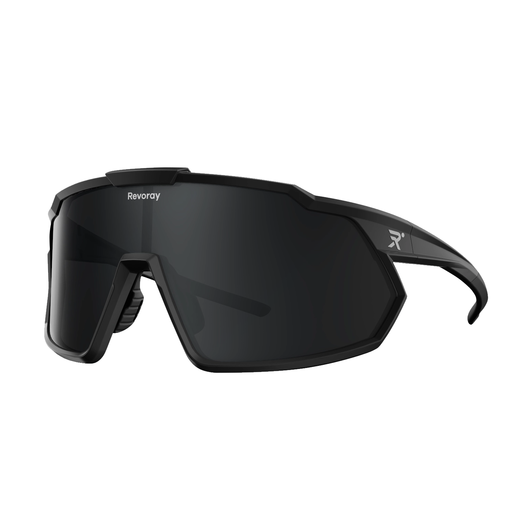
Why this product suits this profile: It offers the core features cyclists need for sunny rides on roads and trails.
The product details list UV400 protection, TAC polarisation, adjustable silicone nose pads, and a water- and oil-repellent coating.
According to the product description, they weigh around 33 g and have a TR90 frame. The product is also listed as tested to ANSI Z87.1.
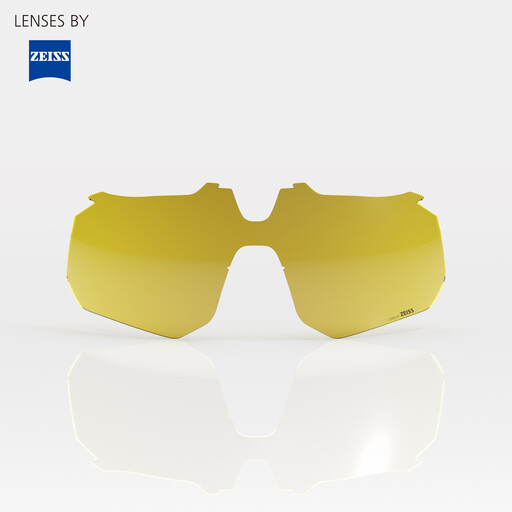
Why this product suits this profile: For regular outdoor use, clearly specified light transmission and multiple lens coatings are particularly useful.
The product description specifies light transmission of 18–43%, along with scratch-resistant, water-repellent and oleophobic coatings.
According to the product details, they offer UV400 protection and ZEISS lens technology, with information provided on contrast and light transmission.
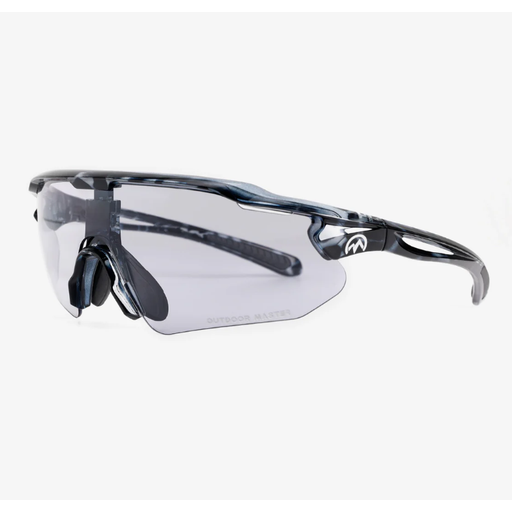
Why this product suits this profile: These sunglasses are worth considering if you ride on sunny roads, shaded forest trails and in other changing light conditions.
The combination of photochromic and polarised technology is designed for changing brightness, while adjustable nose pads help you get the right fit.
According to the product description, they weigh 26–29 g and feature polycarbonate lenses, UV400 protection and an expanded peripheral field of vision.
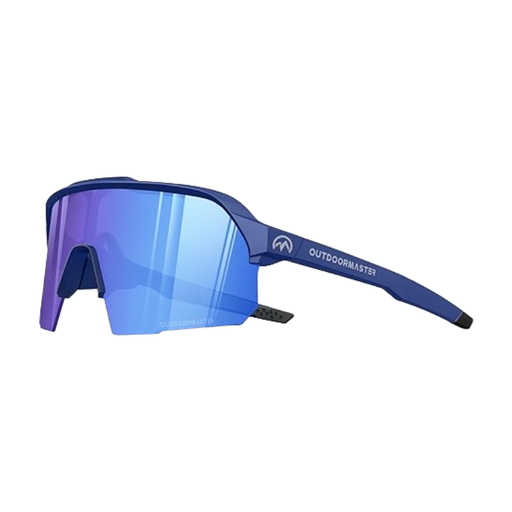
Why this product suits this profile: Cycling sunglasses with interchangeable lenses and a TR90 frame are a good fit for anyone who enjoys cycling, fishing, golf, sailing or baseball.
A clear replacement lens is listed as included. This lets you adapt the sunglasses for cloudy weather or lower light levels.
According to the product description, they offer UV400 protection, impact-resistant lenses, a VLT of around 18% and a sturdy TR90 frame.
How long your cycling sunglasses last depends largely on how you look after them. First rinse off dust and sweat with clean water, then clean the lenses with a soft microfibre cloth. Alcohol or harsh cleaning products can damage the coatings unless the manufacturer specifically approves their use.
Keep your sunglasses in a case and don’t place them lens-side down. Replace them if the lenses are scratched or cracked, the arms are loose or your vision is consistently affected. Sunglasses should also not be used as a substitute for specialist protective eyewear when carrying out work with a high risk of impact.
Yes, provided the fit, field of vision and tint are right for how you ride. For road cycling, low weight and wind protection are useful. For mountain biking, a secure fit, impact-resistant materials and good visibility in changing light are particularly important.
It depends on how bright it is. A low VLT, around 12–20%, is better suited to sunny conditions. For cloudy weather, forest trails or dusk, lighter or interchangeable lenses are more practical. Check the specific VLT listed for each model.
There’s no reliable fixed time frame. What matters is the condition of the lenses, frame, nose pads and coatings. Replace your sunglasses as soon as scratches interfere with your vision or they no longer fit securely.