
Lieferung heute & morgen

Qualitätsgarantie

Willkommens-Angebote freischalten: KOSTENLOSE Lieferung | Bis zu 80 % RABATT | Kostenlose 30-Tage-JoyPlus-Testphase
App herunterladen
The right sunglasses need to do more than simply have dark lenses. Whether you’re cycling, fishing, playing golf, sailing or driving, you need a combination of UV protection, glare reduction, a secure fit and clear vision. This is where buyers often make the wrong choice.
Polarised lenses mainly reduce reflected light, such as glare from roads, water or metal. This can help cut down on distracting reflections. However, the label ‘polarised’ alone tells you nothing about UV protection. Also look for UV400 or a clearly stated level of protection.
So sunglasses with UV400 protection are not automatically polarised, and polarised cycling glasses are not automatically sufficient protection against UV radiation.
Visible light transmission, or VLT, describes how much light passes through the lens. A lower VLT means a darker tint. This can be useful on sunny bike rides or when you’re out on the water. But in changeable weather, in woodland or at dusk, a heavily tinted lens can restrict your vision.
Photochromic lenses adjust their tint to the light. This effect may be limited in a vehicle because the windscreen filters out UV radiation. That’s why not every pair of photochromic sunglasses is equally suitable for driving.
Lightweight sports glasses can be more comfortable to wear. But a sturdy frame, non-slip nose pads and a secure fit at the temples are just as important. If your glasses feel loose when you move, they could slip during a sprint, on uneven ground or when cycling at speed.
Check whether the seller explicitly states UV400 protection. For sports glasses, impact resistance and relevant safety markings are also worth considering. Sunglasses are not a substitute for certified safety glasses when working in situations with a high risk of mechanical injury. Replace damaged or heavily scratched lenses, even on sports models.
Polarised TAC, polycarbonate or nylon lenses can filter reflected light in different ways. Reducing reflections is often an important consideration for fishing, sailing and driving. For cycling, a wide field of vision, a curved lens shape and minimal distortion are also important.
Please note: polarised lenses can affect how easy it is to read some displays or liquid crystal screens. If possible, test them with your bike computer, navigation device or smartphone before setting off on a long ride.
TR90 is a thermoplastic frame material used in many sports and everyday models. The material is not the only thing to consider: the actual weight and the options for adjusting the fit also matter. The models listed in the product details, for example, weigh around 25.5 to 33 grams.
Look for:
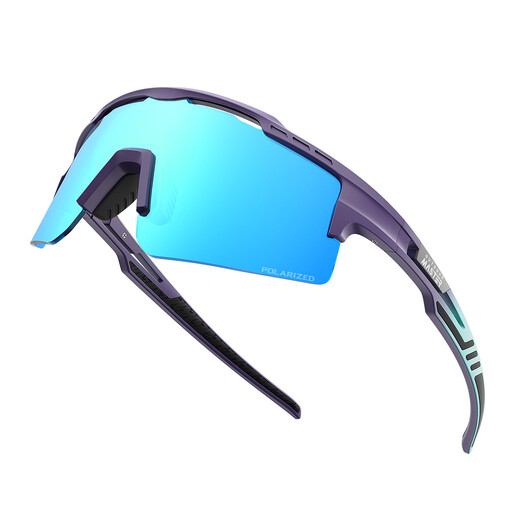
Why this product suits this type of user: This model combines polarised TAC lenses with UV400 protection and a TR90 frame. It’s suitable for occasional bike rides and a range of outdoor activities.
The product details specify both polarisation and UV400 protection. You don’t have to infer these two features from a general marketing claim.
TR90 memory frame, polarised TAC lenses, UV400 protection and an aerodynamic design.
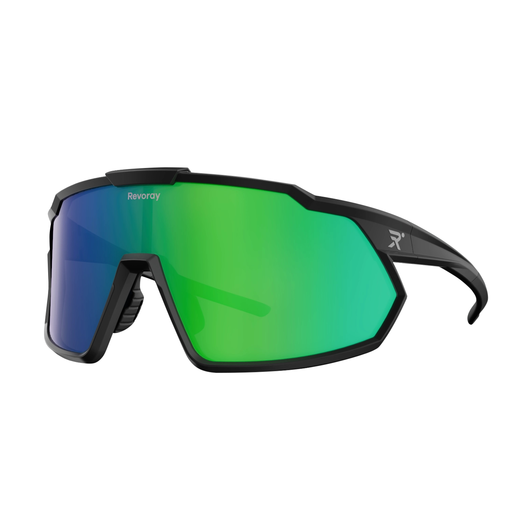
Why this product suits this type of user: For regular cyclists, the stated weight of around 33 g, adjustable silicone nose pads and water- and oil-repellent coatings are all useful factors to consider.
A VLT of around 15.2%, details about the materials and a reference to ANSI Z87.1 provide more specific information than the generic label ‘sports glasses’.
Polarised TAC lenses, UV400 protection, a TR90 frame and water- and oil-repellent coating.
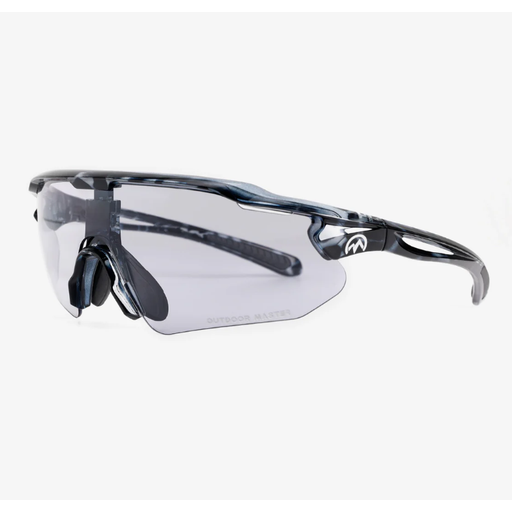
Why this product suits this type of user: This model is for anyone who prefers photochromic, polarised lenses for bike rides or outdoor activities in changeable light.
The product description explains the limitation in vehicles: behind a windscreen, the photochromic adjustment may be less effective because less UV light gets through.
Depending on the version, around 26 to 29 g, UV400 protection, polycarbonate lenses, adjustable nose pads and a clip-in insert for prescription lenses.
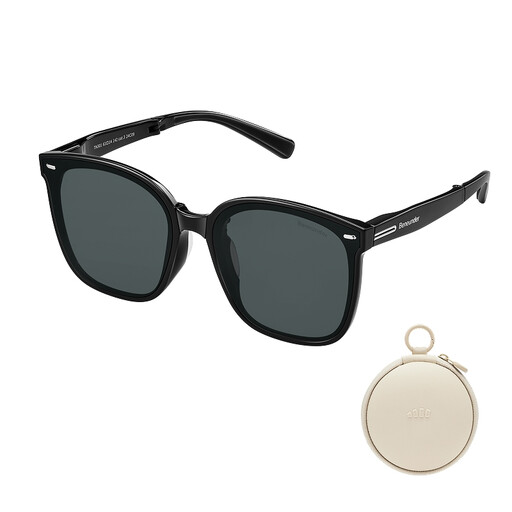
Why this product suits this type of user: These foldable sunglasses are designed to take up less space, making them a good choice for travel, everyday wear and driving in bright daylight.
The weight, folded dimensions and material are all specified. This makes it easier to judge how practical they’ll be for everyday use than a vague claim such as ‘ultra-lightweight’.
TR90 frame, around 26 g, tri-fold design, UV400 coating and OAR anti-reflective coating.
Clean the lenses with water and a soft microfibre cloth. Harsh cleaning products, dry paper towels and abrasive materials can damage the coatings. Keep your glasses in their case and don’t put them down with the lenses facing downwards. With sports models, you should also check that the frame, arms and lenses are intact before every long ride.
We’ve put together a complete, regularly updated list of products that meet these strict selection criteria and fully comply with the safety regulations in force in the EU.
They can reduce reflections from wet roads and other smooth surfaces. However, check the tint and make sure you can see clearly in changing light. Photochromic lenses may not adjust as effectively in a vehicle.
Their lifespan depends on how often you use them, how well you care for them, and the condition of the hinges and coatings. There’s no set timeframe. Replace your glasses if the lenses are scratched, damaged or optically distorted.
The price depends on the lens material, polarisation, UV400 protection, frame, interchangeable lenses and fit adjustments. So don’t compare price alone: also check the VLT, weight, what’s included and the product labelling.