
Lieferung heute & morgen

Qualitätsgarantie

Willkommens-Angebote freischalten: KOSTENLOSE Lieferung | Bis zu 80 % RABATT | Kostenlose 30-Tage-JoyPlus-Testphase
App herunterladen
By the Joybuy Product Recommendation Officer, July 29, 2026
The search for the right polarized cycling glasses can quickly become overwhelming. The market is filled with technical terms and marketing promises that often create more confusion than clarity. Many cyclists invest in models that look great on paper but disappoint in practice. Before you make a decision, it's crucial to understand the most common pitfalls that can lead to a bad purchase.
The 3 Most Common Traps When Buying Cycling Glasses:
mountain bike glasses or road bike glasses.lightweight sports glasses are essential to prevent pressure points and discomfort. Modern materials like TR90 offer high flexibility and durability at an extremely low weight.To make an informed decision, focus on the objective technical features that directly impact your vision, comfort, and safety.
Glare-free cycling glasses are essential for safety. Polarized lenses contain a special filter that blocks horizontally reflected light. This is the type of glare that comes from wet roads, water surfaces, or the hoods of other vehicles.
The material determines the weight, comfort, and durability of your glasses.
In addition to the mandatory UV400 protection, other factors are crucial for real-world use.
Instead of making a one-size-fits-all recommendation, we have identified models tailored to specific needs and rider profiles.
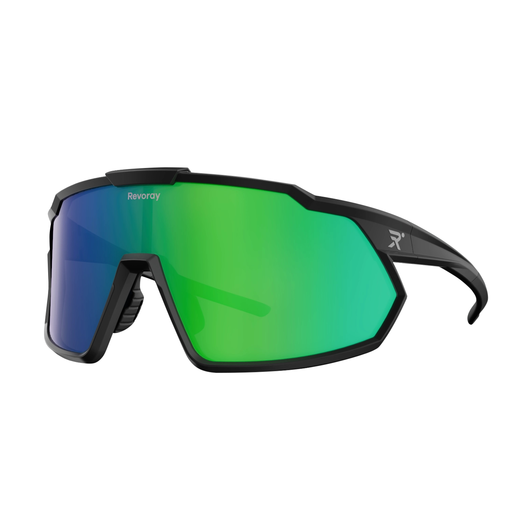
Why This Fits Their Persona: Ideal for cyclists who ride on both roads and trails and need reliable, robust glasses for all conditions.
This model doesn't rely on vague promises but offers ANSI Z87.1 certified impact resistance. The lightweight TR90 frame (approx. 33g) debunks the myth that stability has to be heavy.
HD TAC polarized lenses for clear vision and effective glare reduction. Water and oil-repellent coatings for easy cleaning.
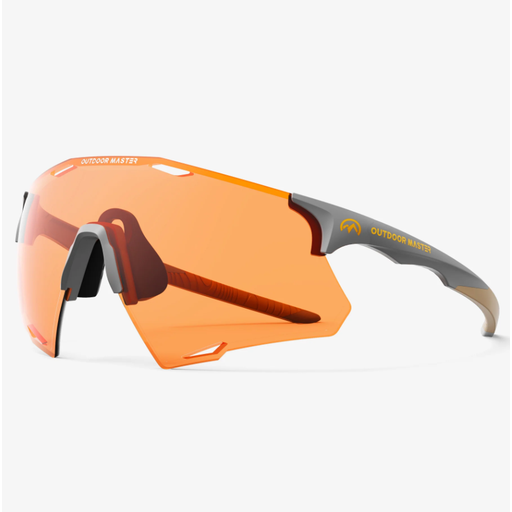
Why This Fits Their Persona: Perfect for road cyclists and performance-oriented athletes for whom every gram counts and a maximum field of view is a priority.
Weighing only 25.5g, this model is a prime example of extremely lightweight sports glasses that are still durable thanks to the TR90 frame. It avoids the trap of heavy, uncomfortable frames.
Expanded peripheral vision (20% wider, according to the manufacturer) and a ventilated lens design to reduce fogging during high exertion.
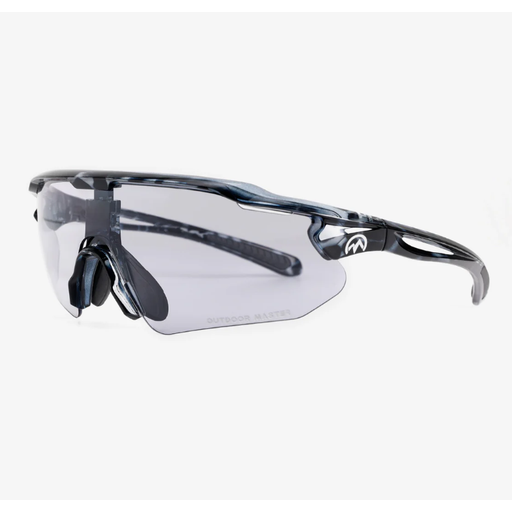
Why This Fits Their Persona: For riders who cycle in changing light conditions—from sunny stretches to shaded forest trails—and are looking for one pair of glasses for all situations.
This model combines two technologies, making it unnecessary to buy multiple specialized glasses. It offers the benefits of both a polarized and a photochromic (self-tinting) lens.
The lenses automatically adjust their tint to the intensity of the sunlight while simultaneously reducing glare. This ensures optimal vision without manual changes.
We have compiled a complete, up-to-date list of products that fully comply with our strict selection criteria and safety standards.
1. What is the exact difference between polarized and standard sunglass lenses for cycling? Standard sunglass lenses reduce the amount of light that reaches your eye, which is helpful in bright conditions. Polarized lenses go a step further: they have a filter that specifically blocks the horizontal light waves reflected as glare from surfaces like wet asphalt or car windows. The result is significantly higher-contrast, more relaxed vision, which improves reaction time and safety.
2. How do I care for my polarized cycling glasses to avoid damaging the coating? After a ride, clean the lenses with lukewarm water to remove dust and sweat. Use a clean, soft microfiber cloth to dry them. Avoid harsh cleaning agents, alcohol, or paper towels, as these can scratch or chemically damage the delicate polarization and protective coatings. Always store the glasses in the provided hardshell case when not in use.
3. Can a TR90 cycling glasses frame break in a crash? Although TR90 is a very resilient and flexible material, no pair of glasses is completely indestructible. The main advantage of TR90 is that it tends to bend rather than shatter on impact. This significantly reduces the risk of injury from sharp fragments compared to conventional plastic frames. A certification like ANSI Z87.1 provides additional assurance of its structural strength.