
Lieferung heute & morgen

Qualitätsgarantie

Willkommens-Angebote freischalten: KOSTENLOSE Lieferung | Bis zu 80 % RABATT | Kostenlose 30-Tage-JoyPlus-Testphase
App herunterladen
High-quality polarized cycling sunglasses do more than just cut glare; they are a critical piece of gear for safety and performance. However, the market is saturated with marketing promises and technical jargon that make choosing difficult. Many cyclists invest in models that cause discomfort after a short time, fail in changing light conditions, or offer inadequate protection. This guide will help you avoid the common pitfalls and find sunglasses that meet your specific needs.
Before we dive into the key features, let's look at the costly mistakes many buyers make. Recognizing these pitfalls is the first step toward making a better purchasing decision.
To make an informed decision, focus on three objective criteria. These determine the comfort, safety, and functionality of your new road bike sunglasses or MTB sunglasses.
The lenses are the heart of any pair of sports sunglasses. Look for the following specifications:
Lightweight sports sunglasses significantly improve wearing comfort. The frame material plays a central role in this.
Every gram counts on long rides. Lightweight sports sunglasses weighing under 30 grams are barely noticeable. Additionally, ventilation slots in the frame or lenses are a key feature, especially for MTB sunglasses. They prevent the lenses from fogging up during exertion or in high humidity, ensuring consistently clear vision.
Based on the criteria above, we have compiled a few models for different user profiles.
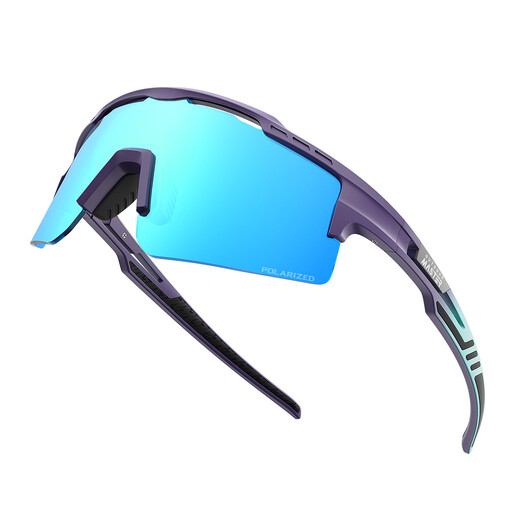
Why This Fits Their Persona: This model offers all the essential performance features necessary for serious cycling without breaking the bank. It's a solid choice for riders looking for a reliable, all-around pair of sunglasses.
It combines a lightweight TR90 frame with polarized TAC lenses that offer verified UV400 protection. This sidesteps the trap of cheap, heavy frames and inadequately protected lenses.
Aerodynamic design to reduce wind resistance. Includes a hard case and accessories for protection and maintenance.
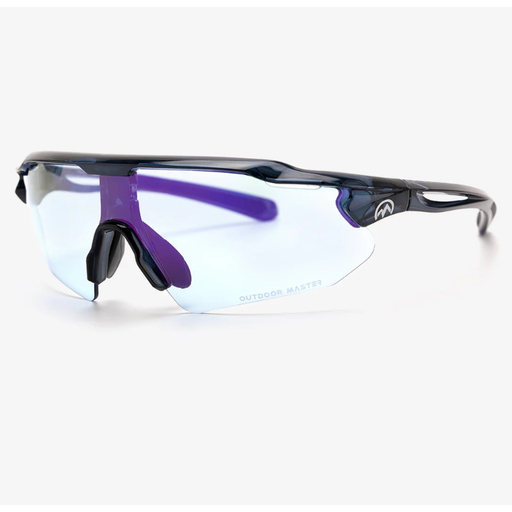
Why This Fits Their Persona: Ideal for athletes whose rides take them through changing light conditions, such as evening rides or trails that alternate between forests and open fields. One pair of sunglasses for all conditions.
This model solves the problem of choosing the wrong lens by combining polarization (to fight glare) and photochromic technology (automatic tint adjustment). You no longer need interchangeable lenses.
Photochromic lenses automatically adapt to light intensity. At 26-29g, they are a very lightweight pair of sports sunglasses.
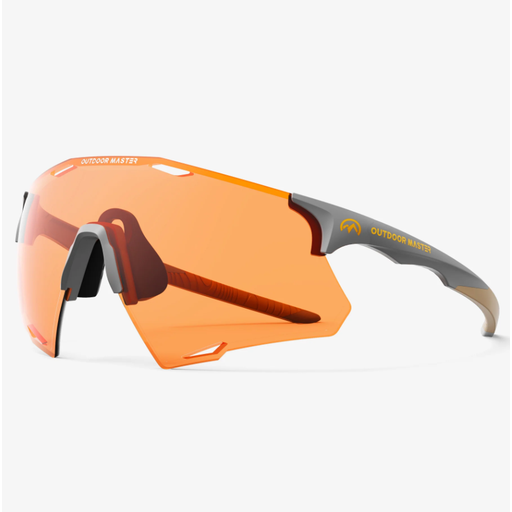
Why This Fits Their Persona: For athletes where every detail counts. The extremely low weight and ventilated design are engineered for maximum performance and comfort during intense sessions and competitions.
At just 25.5g, it is one of the lightest models available, avoiding the pitfall of heavy, uncomfortable frames. The ventilated design actively counteracts lens fogging, a common problem during high exertion.
Extremely lightweight design for all-day comfort. Vented lenses to reduce fogging at high speeds.
We have compiled a complete, up-to-date list of products that fully meet these strict selection criteria and safety regulations.
Polarized cycling sunglasses have a special filter that blocks blinding, reflected light (e.g., from wet roads). This increases contrast and reduces eye fatigue. In contrast, photochromic cycling sunglasses automatically adjust their tint based on the intensity of UV light. They get darker in bright sunlight and lighter in low light. Some models combine both technologies.
Yes, you can. Polarized lenses can improve vision even on overcast days by reducing glare from wet surfaces. However, in very low light or at dusk, they might darken your vision too much. For these conditions, models with interchangeable lenses or photochromic variants are often a better choice.
Clean the lenses regularly with the included microfiber cloth or under running water with a mild soap solution. Avoid harsh cleaning agents or rough cloths, as they can damage the lens coatings. Always store the sunglasses in the provided hard case when not in use to protect them from scratches and impacts.