
Lieferung heute & morgen

Qualitätsgarantie

Willkommens-Angebote freischalten: KOSTENLOSE Lieferung | Bis zu 80 % RABATT | Kostenlose 30-Tage-JoyPlus-Testphase
App herunterladen
By Joybuy Product Recommendation Officer, August 30, 2026
High-quality polarized cycling sunglasses aren't a luxury; they're an essential piece of gear for anyone who rides regularly. They not only protect your eyes from UV radiation, wind, and insects but also improve vision and safety by reducing glare. However, the market is flooded with models whose marketing promises often create more confusion than clarity. Before you make a decision, it's crucial to understand the most common pitfalls that can lead to a bad purchase.
Many cyclists invest in glasses that look good on paper but prove inadequate in practice. Here are three typical problems to watch out for:
Lightweight sports glasses that press on your nose after an hour or slip during bumps are unsuitable for road cycling glasses or MTB glasses. The material and adjustability are critical for long-term comfort.To avoid these traps, you should base your choice on objective technical features. Three parameters are of central importance.
The heart of any sports sunglasses for men and women is the lens. Polarized lenses contain a special filter that blocks horizontally reflected light—the glare that comes from wet roads, water surfaces, or other vehicles.
MTB glasses).A high-quality mirrored coating can further reduce the amount of light reaching the eye, which is advantageous on very sunny days.
The frame determines comfort and durability. The material TR90 has established itself as the industry standard here. It is a thermoplastic polyamide that is extremely lightweight, flexible, and simultaneously resilient. A TR90 frame adapts to various face shapes without creating pressure points and maintains its form even with temperature fluctuations. Also, look for adjustable nose pads and rubberized temple tips that ensure a secure, non-slip fit even during heavy sweating.
Complete UV400 protection is non-negotiable. It blocks all UVA and UVB rays up to a wavelength of 400 nanometers and is essential for protecting your eyes.
An often-overlooked but important value is the VLT (Visible Light Transmission). It indicates, as a percentage, how much visible light passes through the lens.
Based on the criteria above, we have identified several models that are well-suited for different user profiles.
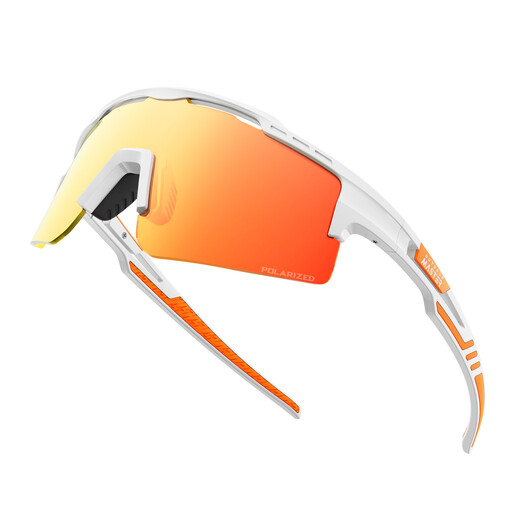
Why This Fits Their Persona: Ideal for cyclists and outdoor athletes who want reliable, glare-free vision and solid comfort without a premium budget. A functional all-in-one package for regular use.
The lightweight TR90 frame prevents the typical pressure pain caused by heavy glasses. The polarized TAC lenses provide clear, distortion-free vision and reliable UV protection.
Excellent value for money. The package includes a hard-shell case and a glasses strap, which increases its utility.
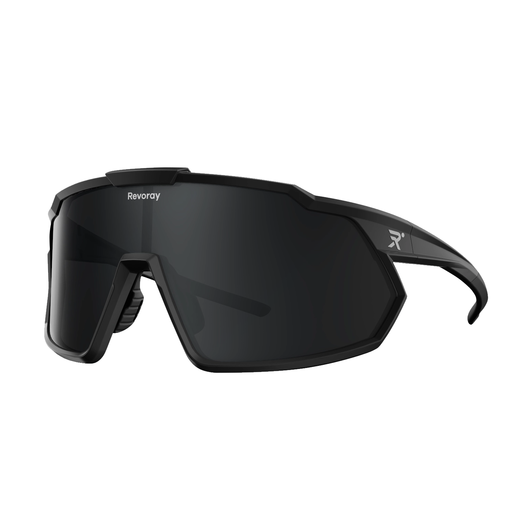
Why This Fits Their Persona: Designed for road and MTB riders where every gram counts and a secure fit at high speeds or on rough terrain is crucial.
At only ~33g total weight, it's a true lightweight, avoiding the trap of heavy, uncomfortable frames. Adjustable silicone nose pads ensure a non-slip fit.
Impact resistance certified to ANSI Z87.1. Water and oil-repellent lens coatings make cleaning easier and increase durability.
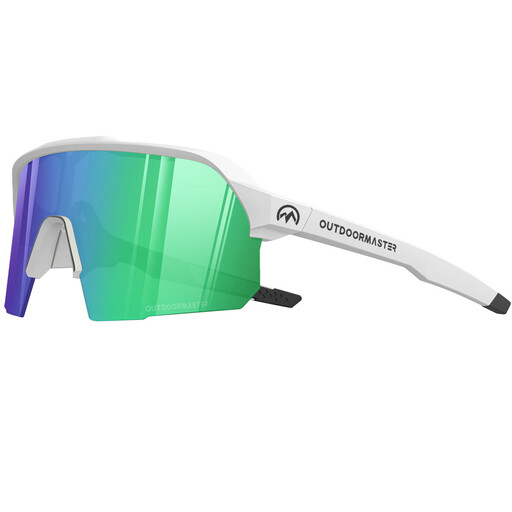
Why This Fits Their Persona: Perfect for athletes who not only cycle but also run, fish, or sail and need one pair of glasses for various light conditions without having to buy multiple models.
This model avoids the trap of owning glasses that only work in bright sunshine. The included clear interchangeable lens makes it usable on overcast days or at dusk.
Includes an interchangeable lens for low-light conditions. The HD lenses are designed to enhance color contrast and provide distortion-free vision.
We've compiled a complete, up-to-date list of products that fully meet these strict selection criteria and UK safety regulations.
Polarization means that a special filter is integrated into the lens. This filter blocks light waves that oscillate horizontally. Such waves are created when sunlight reflects off smooth surfaces like wet asphalt, water, or car hoods. The result is glare-free vision, where distracting reflections are eliminated while the vertical light waves, which are important for actual sight, are allowed to pass through. This increases contrast and visual clarity.
Yes, in most cases, polarized glasses are very beneficial for driving as they reduce glare from the road and other vehicles. However, a limitation can occur when viewing LCD screens, such as those in navigation systems or head-up displays. The polarization filter can make these displays appear dark or blotchy. It is advisable to test this before a long drive.
The coatings on modern sports glasses are sensitive. Avoid aggressive cleaning agents, alcohol, or paper towels. It's best to rinse the lenses with lukewarm water to remove dust and dirt particles. Then, gently dry them with the included microfiber pouch or a clean microfiber cloth. Always store the glasses in their protective case when not in use to prevent scratches and damage to the coating.