
Lieferung heute & morgen

Qualitätsgarantie

Willkommens-Angebote freischalten: KOSTENLOSE Lieferung | Bis zu 80 % RABATT | Kostenlose 30-Tage-JoyPlus-Testphase
App herunterladen
Choosing the right cycling glasses can be overwhelming, with countless models and technical terms to navigate. Many athletes invest in a pair only to find that it pinches, fails in changing light conditions, or doesn't offer adequate protection. Before you make a decision, it's crucial to understand the most common pitfalls that often lead to a bad purchase.
To make an informed decision, you should focus on a few crucial technical parameters. These features determine the protection, comfort, and durability of your new sports sunglasses.
The most important criterion for any pair of sports sunglasses is reliable protection against ultraviolet radiation. Always look for the UV400 protection label. This specification guarantees that the lenses block all UV rays with a wavelength of up to 400 nanometres. This includes both UVA and UVB rays and is essential for protecting your eyes outdoors.
The weight and flexibility of the frame are critical for long-lasting comfort. Lightweight sports glasses minimise pressure on your nose and ears. Here, TR90 has established itself as the standard material. It is a thermoplastic polyamide that offers the following advantages:
The choice of lenses should depend on your primary use case.
Based on these objective criteria, we have identified a few models that provide a suitable solution for specific user profiles.
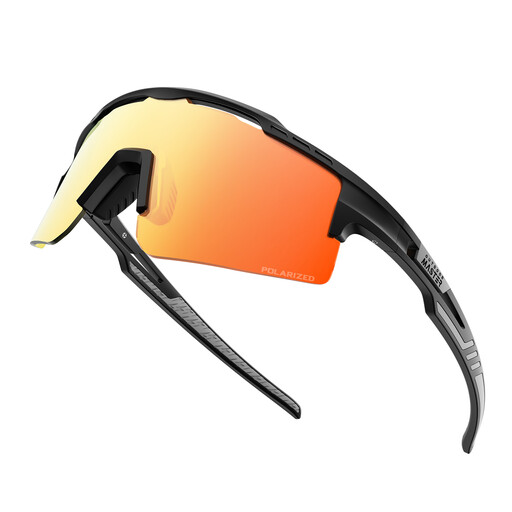
Why This Fits Their Persona: Ideal for athletes who need reliable glasses for various activities like cycling, running, or driving. The combination of polarised lenses and a lightweight frame offers a high degree of functionality for daily use.
The TR90 memory material frame prevents pressure points and is very lightweight. The polarised TAC lenses with UV400 protection effectively reduce glare and reliably protect the eyes.
Excellent value for money; Aerodynamic design reduces wind resistance; Includes a hard case and a microfibre pouch.
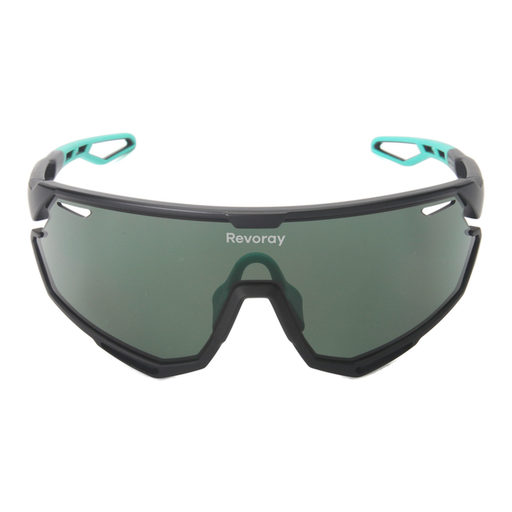
Why This Fits Their Persona: For road cyclists and mountain bikers who prioritise low weight, aerodynamics, and a secure fit at high speeds. The focus here is clearly on performance and protection.
Weighing only about 30g and featuring an ergonomic TR90 frame, it bypasses the trap of uncomfortable materials. The single-piece PC lens offers high impact protection, ideal for MTB and fast descents.
Extremely lightweight design; Aerodynamic shape for stability; Non-slip temples and nose pads for a secure grip.
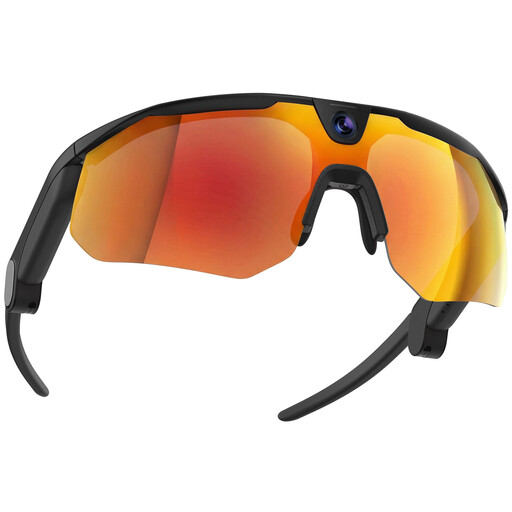
Why This Fits Their Persona: For cyclists and outdoor enthusiasts who want to capture their experiences without mounting a separate action camera. These camera glasses combine eye protection with high-quality video recording.
Despite the integrated technology, the glasses weigh only 49g and feature a TR90 frame, ensuring comfort. The optional ZEISS lenses also provide high optical quality.
Integrated 3K camera with image stabilisation; Open-ear audio for music and calls; AI-powered video editing via app.
We've compiled a complete, up-to-date list of products that fully meet these strict selection criteria and safety standards.
Clean the lenses regularly with the included microfibre cloth or rinse them with clear water to remove sweat and dirt. Avoid aggressive cleaning agents or alcohol, as they can damage the lens coatings. Store the glasses in their case when not in use to prevent scratches.
For mountain bikers, polarised lenses are only suitable to a limited extent. While they reduce glare, they can also make it harder to perceive wet, slippery surfaces like roots or rocks in the shade. For trail use, non-polarised, contrast-enhancing, or photochromic (self-tinting) lenses made of impact-resistant polycarbonate are often a safer choice.
The UV400 label means that the lenses are designed to block 99% to 100% of ultraviolet rays with a wavelength of up to 400 nanometres. This completely includes the harmful UVA and UVB spectrums and is the highest protection standard available for sunglasses.