
Lieferung heute & morgen

Qualitätsgarantie

Willkommens-Angebote freischalten: KOSTENLOSE Lieferung | Bis zu 80 % RABATT | Kostenlose 30-Tage-JoyPlus-Testphase
App herunterladen
A good pair of outdoor sunglasses is more than just a fashion accessory. It's an indispensable tool that protects your eyes and enhances your vision during activities like cycling, hiking, or driving. However, the market is saturated with marketing promises and technical jargon that make choosing difficult. Many buyers invest in models that quickly prove to be impractical or inadequate. Before you make a decision, it's crucial to know the most common pitfalls.
The 2 Most Common Mistakes When Buying Outdoor Sunglasses:
To avoid a bad purchase, you should focus on objective and functional features. These three parameters are crucial for the performance and utility of your next pair of outdoor sunglasses.
The choice of the right lens technology depends directly on your primary use case.
The frame material has a direct impact on comfort and durability. While many materials are advertised, TR90 has established itself as the standard for high-quality sports and outdoor eyewear. TR90 is a thermoplastic polyamide valued for its properties:
Lightweight TR90 glasses are therefore an investment in comfort and a long lifespan.
Regardless of tint or technology, complete UV protection is essential. Look for the UV400 sunglasses label, which confirms that the lenses block UVA and UVB rays up to a wavelength of 400 nanometers. This is the recognized standard in the EU for comprehensive protection.
The fit complements this protection. A well-fitting pair of cycling glasses or sports sunglasses sits close to the face to prevent stray light from entering from the sides or above. Non-slip nose pads and temple tips ensure the glasses stay securely in place, even during movement and sweating.
Instead of making a one-size-fits-all recommendation, we have selected models that meet specific requirements and purposefully avoid the pitfalls mentioned earlier.
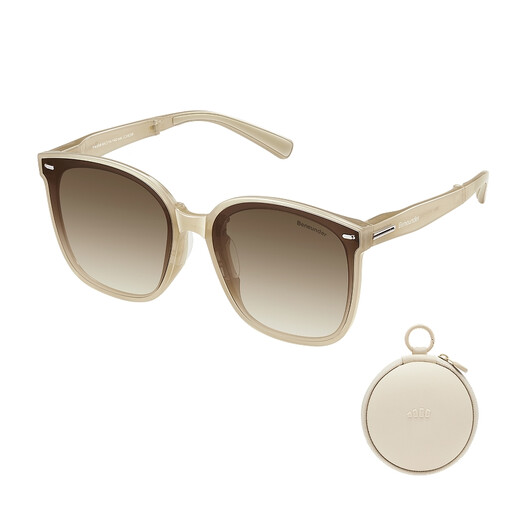
Why This Fits Their Persona: Ideal for commuters and travelers who want a single, stylish, and highly functional pair of glasses. The extremely low weight and compact folded size make them the perfect companion for a handbag or glove compartment.
These foldable sunglasses solve the problem of bulky glasses that are impractical for daily use. Instead of a heavy frame, they use an ultra-light TR90 frame that maximizes comfort and portability.
Patented triple-fold design (35 mm thickness), weighs only 26 g. Offers full UV400 protection and an anti-reflective coating to reduce glare.
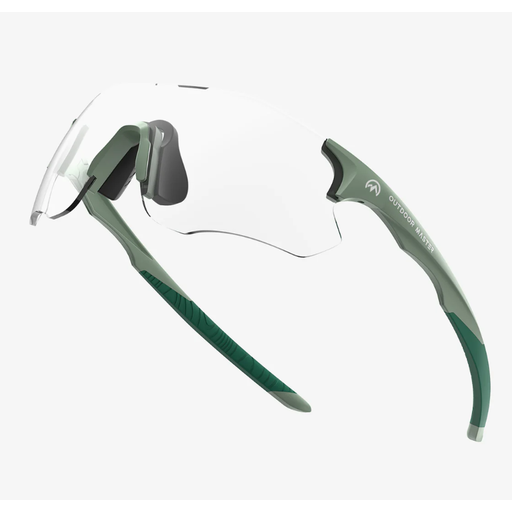
Why This Fits Their Persona: Perfect for cyclists, runners, and hikers who need seamless vision in changing light conditions. The secure fit and automatic tint adjustment make them a reliable pair of sports sunglasses.
It solves the problem of having the wrong tint by adjusting automatically. You no longer have to choose between glasses for the sun and glasses for the shade. The lightweight TR90 frame with non-slip gel prevents slipping during exertion.
Photochromic sunglasses with HD lenses (adjusts from Cat. 0 to Cat. 3). Impact-resistant lenses with UV400 protection and a lightweight frame with shape memory.
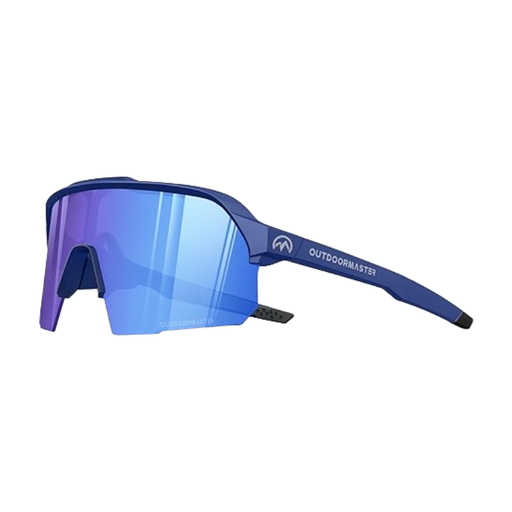
Why This Fits Their Persona: Designed for situations with intense glare. The polarized lenses minimize reflections from water and wet roads, significantly improving vision and safety while fishing, sailing, and driving.
Instead of just dimming the light, these polarized sunglasses actively combat the source of glare. They demonstrate that the right technology is more important than the darkest possible tint for truly improving vision.
HD polarized lenses for clear, distortion-free vision and effective glare reduction. Includes interchangeable clear lenses for use in low-light conditions.
We have compiled a complete, up-to-date list of products that fully meet these strict selection criteria and UK safety regulations.
1. How do I care for my outdoor sunglasses without damaging the coating? Clean the lenses exclusively with the provided microfiber cloth or another soft, clean cloth. For heavier dirt, you can use lukewarm water and a mild, pH-neutral soap. Avoid aggressive cleaning agents, paper towels, or rough fabrics, as these can scratch and permanently damage the delicate coatings (e.g., anti-reflective or polarization filters). Always store the glasses in their case when not in use.
2. What is the difference between UV400 and polarized lenses? These two features describe different functions. UV400 is a protection standard indicating that the lenses block harmful UV-A and UV-B rays. This is a fundamental health and safety feature. Polarization is a technology for improving visual quality. It specifically filters glare reflected from horizontal surfaces like water or wet roads. A pair of glasses can offer both: UV400 protection and polarized lenses.
3. Are photochromic sunglasses suitable for driving? Most photochromic sunglasses are only suitable for driving to a limited extent. This is because a car's windshield already blocks most of the UV radiation required to activate the tinting process. As a result, the lenses often do not darken sufficiently inside the car. For driving, polarized sunglasses with a fixed tint are generally the safer and more effective choice for reducing glare.