
Lieferung heute & morgen

Qualitätsgarantie

Willkommens-Angebote freischalten: KOSTENLOSE Lieferung | Bis zu 80 % RABATT | Kostenlose 30-Tage-JoyPlus-Testphase
App herunterladen
Polyester home textiles are versatile additions to homes across the UK, from bedrooms and bathrooms to living rooms, dining rooms and balconies. The material is often chosen because it is relatively easy to care for, retains its shape and comes in a wide range of colours and designs. However, polyester products can vary considerably in weave, coating, dimensions and care instructions.
If you focus only on the price or terms such as “water-repellent”, you could end up buying a product that isn’t right for the job. The following points can help you assess product claims objectively.
For a polyester shower curtain or tablecloth, a water-repellent finish may be enough. Liquids initially bead on the surface and can be wiped away. However, this doesn’t automatically mean the material will remain completely waterproof over time.
A waterproof mattress protector, on the other hand, needs an integrated barrier. Check the product description carefully and distinguish between “water-repellent”, “water-resistant” and “waterproof”.
For bedding, mattress height, depth and corner fastenings are all important. A fitted sheet with a 30 cm extra-deep pocket may suit a deep mattress, while a standard model could slip out of place.
The inner cushion should also be exactly the same size as, or only slightly larger than, a 50x50 cm cushion cover. For table textiles, the shape and diameter of the table, as well as the overhang, affect how practical they are for everyday use. A round table doesn’t necessarily need round placemats, but the available space should suit the size of the table.
Polyester isn’t automatically suitable for every washing temperature, tumble dryer or iron. Coatings can wear down after frequent washing. So even a product made from “easy-care” material may still need special cleaning.
Before you buy, check:
100% polyester describes the fibre composition, but says little about the feel, density or surface texture. Microfibre usually feels smooth, fleece is more voluminous, while canvas or a linen-look fabric can have a firmer texture.
For a polyester fleece blanket, for example, size, weight and surface texture matter more than a general claim about softness. For outdoor products such as a polyester beach umbrella, you should also consider the fabric weight, coating, frame and options for securing it.
A water-repellent coating is useful for shower curtains and tablecloths. For an inflatable camping tent, buyers should also check the hydrostatic head, seams, groundsheet material, ventilation and pitching method. The VXOYO tent’s product details specify a polyester outer tent with water resistance of up to 3,000 mm, as well as two doors and two windows.
Before you buy, note down the actual dimensions of the space where the product will be used. With polyester bedding, the duvet, pillows and bed need to be compatible. A set with a 155 × 220 cm duvet cover and two 80 × 80 cm pillowcases won’t suit every duvet.
For a table runner, remember to allow for the overhang at both ends. A washable 110 × 140 cm tablecloth, for example, will suit smaller rectangular tables, while larger dining tables need a different size.
For OEKO-TEX home textiles, check the specific certification details in the product description. Several of the MEROPE cushion covers listed state OEKO-TEX STANDARD 100, including certificate number SH025 129601. This certification applies to specific products and shouldn’t be assumed to cover every item from a brand.
For products intended for children, sleeping environments or outdoor use, you should also follow any warnings and usage instructions, and check the load limits. An ergonomic baby carrier should only be used within the stated weight and age ranges. The correct fit, secure fastening and instructions matter more than a general marketing claim.
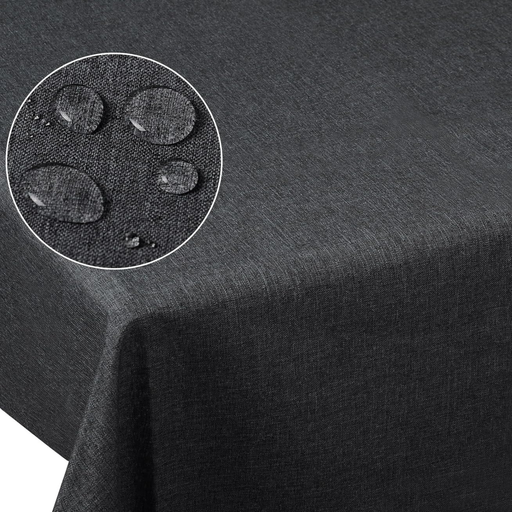
Why this product suits this profile: This rectangular tablecloth is suitable for smaller kitchen and dining tables, and can be wiped clean if lightly soiled.
The product details clearly state the material, size and care instructions. Its water-repellent surface isn’t presented as fully waterproof.
100% polyester, 110 × 140 cm, lotus effect and machine washable at 30–40 °C according to the product details.
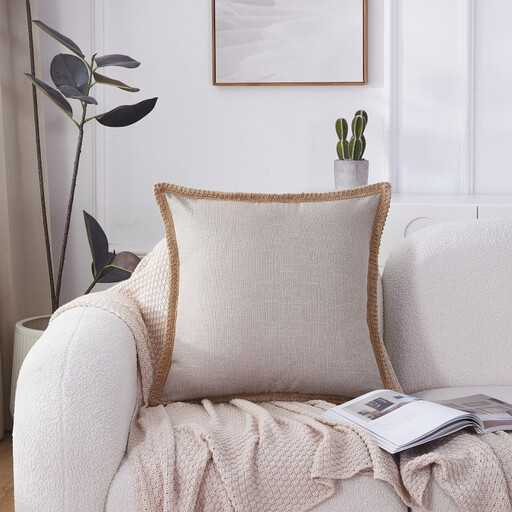
Why this product suits this profile: The linen-look fabric, concealed zip and OEKO-TEX certification make it a good choice for a thoughtfully coordinated home textile collection.
Care is clearly restricted: according to the description, this model should only be spot cleaned and isn’t suitable for machine washing.
100% polyester, 50 × 50 cm, concealed zip and stated OEKO-TEX STANDARD 100 certification.
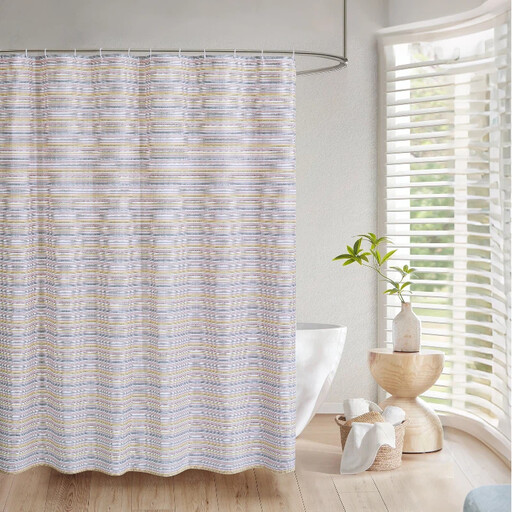
Why this product suits this profile: The standard size and supplied hooks make it easy to fit in many conventional shower recesses.
The water-repellent finish is described specifically and isn’t advertised as a complete seal. Make sure you observe the care limit of below 30 °C.
100% polyester, 85 g/m², reinforced hem, 12 plastic hooks and quick-drying surface according to the product details.
We’ve put together a complete, regularly updated list of products that meet these strict selection criteria and fully comply with the safety regulations in force in the EU.
Wash polyester textiles according to the manufacturer’s instructions and sort them by colour and fabric texture. Frequent washing can reduce the water-repellent effect of coated tablecloths. Cushion covers that should only be spot cleaned shouldn’t accidentally go in the washing machine.
For polyester bedding, it’s also a good idea to close zips before washing and make sure the fabric dries completely. Polyester fibres can melt or become misshapen at high temperatures. Keep products away from naked flames, heaters and very hot surfaces.
Many polyester products can be washed at low temperatures and dry relatively quickly. However, the right care depends on the weave, coating and construction. A shower curtain may be washable at below 30 °C, while a linen-look cushion cover may only be suitable for spot cleaning.
Polyester is often used for bedding and mattress protectors. The key things to consider are fabric thickness, fit, breathability, fastenings and care instructions. For a mattress protector, the mattress size and pocket depth must match. A protector is not a substitute for a mattress and shouldn’t be used as a standalone sleeping surface.
There’s no single answer for how long they’ll last. It depends on fibre quality, construction, washing frequency, drying and wear. Seams, zips, coatings and elastic components can wear out at different rates. Following the care instructions and avoiding unnecessary exposure to high temperatures can reduce preventable wear and tear.