
Lieferung heute & morgen

Qualitätsgarantie

Willkommens-Angebote freischalten: KOSTENLOSE Lieferung | Bis zu 80 % RABATT | Kostenlose 30-Tage-JoyPlus-Testphase
App herunterladen
The selection of poly-rattan garden furniture is based on an analysis of technical features and material properties. This synthetic weave, made from polyethylene (PE), has established itself as the standard for weather-resistant outdoor furniture due to its durability and resilience against the elements. This article highlights the crucial criteria for selecting the right patio furniture and presents specific product recommendations based on their technical specifications.
The quality of garden lounge furniture depends on the combination of the weave, the frame, and the cushions. Making an informed decision requires considering the following technical parameters.
Poly-rattan is produced in various styles that differ in appearance and durability:
A key quality indicator is UV resistance, often classified according to standards like ISO 105-B02. Higher grades (e.g., Grade 5) indicate a greater resistance to fading from sun exposure.
The frame beneath the weave is crucial for the furniture's stability and longevity.
For maximum outdoor durability, an aluminium frame is generally the preferred choice.
The cushions determine both seating comfort and practicality. Relevant specifications include:
The following products have been selected for their technical specifications and functional design.
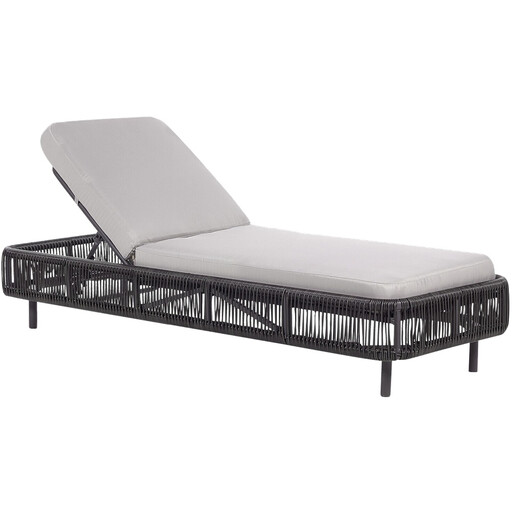
Why we recommend this product: The OSINI poly-rattan sun lounger combines a robust construction with functional flexibility. Its powder-coated aluminium frame ensures rust resistance and a low total weight of 15 kg. The backrest is adjustable to five positions, allowing for customised reclining. According to the manufacturer, the PE rattan has a Grade 5 UV resistance (ISO 105-B02), suggesting high colour fastness under sun exposure. The included 8 cm thick cushion, with a foam density of 18 kg/m?, provides a solid foundation for comfort.
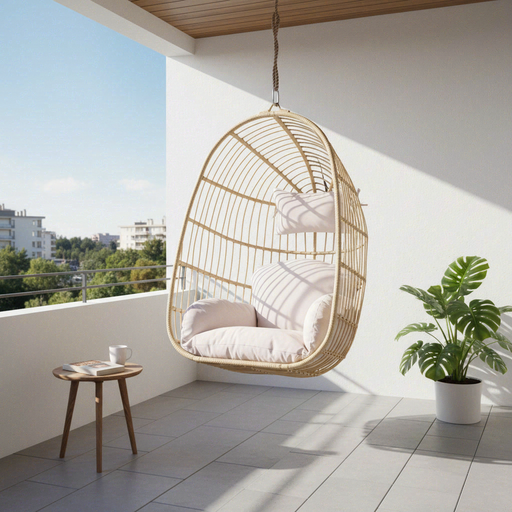
Why we recommend this product: The CASOLI outdoor hanging chair is designed for both indoor and outdoor use, offering a space-saving alternative to traditional armchairs. According to the manufacturer, its PE rattan weave has a Grade 4 UV resistance (ISO 105-B05). Its open, cocoon-like shape, combined with thick seat and headrest cushions, creates a comfortable retreat. With a maximum weight capacity of 90 kg, the chair serves as a focal design element on a balcony or patio.
Customising an outdoor space often requires more than just complete furniture sets. For replacing cushions or adding new ones to existing sets, a targeted search can be useful. You can find a selection of suitable cushions in our Rattan Garden Furniture Cushions category.
1. What is the difference between rattan and poly-rattan? Rattan is a natural product derived from the stem of the rattan palm. It is lightweight and flexible but not weather-resistant, making it suitable only for indoor or covered outdoor areas. Poly-rattan is an industrially manufactured weave made from the synthetic material polyethylene (PE). It was developed to mimic the appearance of rattan but is completely waterproof, UV-resistant, and low-maintenance, making it the ideal material for garden furniture.
2. How should I care for poly-rattan garden furniture? Maintenance is straightforward. The weave can be cleaned with mild soapy water and a soft cloth or sponge. Avoid using harsh chemical cleaners or pressure washers, as they can damage the material. The cushion covers are often removable and can be washed according to the manufacturer's instructions (usually at a low temperature).
3. Can poly-rattan furniture be left outside in winter? In principle, the material is frost- and weather-resistant. However, to maximise the furniture's lifespan, we recommend covering it with a protective cover during the winter season or, if possible, storing it in a dry, cool place (like a cellar or garage). This protects the material from extreme weather and dirt and prevents the cushions from absorbing moisture.