
Lieferung heute & morgen

Qualitätsgarantie

Willkommens-Angebote freischalten: KOSTENLOSE Lieferung | Bis zu 80 % RABATT | Kostenlose 30-Tage-JoyPlus-Testphase
App herunterladen
The pomegranate is enjoying immense popularity, and the range of related products is constantly growing. From juices and syrups to teas, the shelves are full. But this variety can quickly become overwhelming. All too often, unclear labelling and clever marketing lead to purchases you later regret.
Many consumers grab a product believing they are buying pure juice, only to discover at home that it's a sugary drink with a low fruit content. Another common pitfall is the distinction between naturally occurring fruit sugar and added industrial sugar, which isn't always immediately clear on the label. This guide will help you recognise the key features and make an informed choice.
To find the right pomegranate product, it helps to understand three central aspects. These criteria will enable you to objectively evaluate a product's quality and purpose.
The name on the packaging provides the most crucial clue about the actual fruit content. In many regions, food regulations clearly define the differences:
Checking the ingredients list is essential. Pay attention to the order of the ingredients—whatever is listed first is present in the largest quantity.
Not every pomegranate product is meant for drinking straight. Consider what you want to use it for:
Based on these objective criteria, we have selected a few products tailored for different needs and uses.
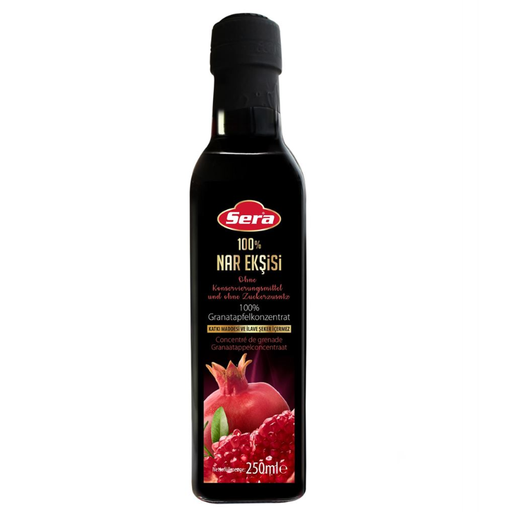
Why This Fits Their Persona: Ideal for home cooks seeking the authentic, intense flavour of pomegranate to elevate their dishes. This is not a beverage, but a concentrated condiment for salads, marinades, and dips.
The ingredients list is perfectly transparent: 100% pomegranate. There are no hidden sugars or fillers. Its designation as a "sauce" makes its intended use unmistakably clear.
Versatile in the kitchen; intense, sweet-and-sour flavour that gives dishes an authentic Middle Eastern flair.
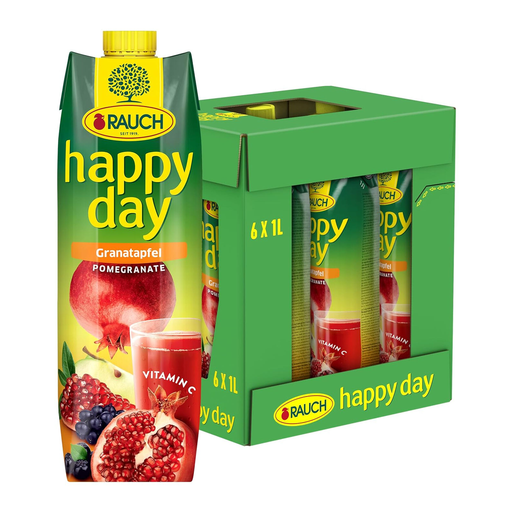
Why This Fits Their Persona: Perfect for families looking for a delicious and straightforward fruit drink for everyday enjoyment. The 6-pack is convenient for stocking the pantry, and its balanced taste appeals to many.
The product is honestly labelled as a "multi-fruit juice drink." The 30% fruit content and the sugar level are clearly stated on the packaging, so no false expectations are set.
Convenient bulk pack; fortified with Vitamin C; balanced flavour from the combination of several fruits.
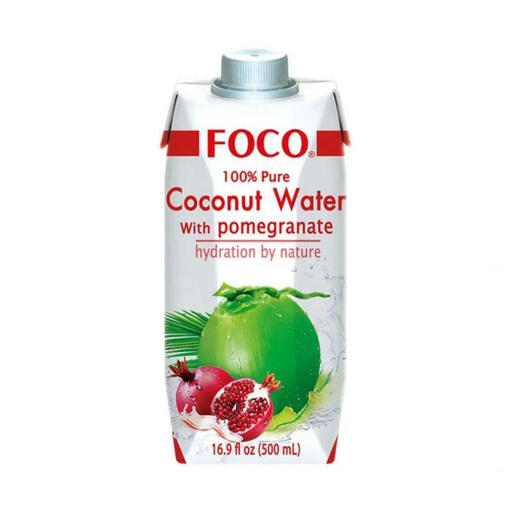
Why This Fits Their Persona: An excellent choice for anyone seeking a natural, low-calorie, hydrating refreshment. Ideal after a workout or as a light thirst-quencher with a fruity twist.
The composition is clearly declared: 90% coconut water and 10% pomegranate juice. At only 4.8g of sugar and 22 kcal per 100ml, it's a transparent, low-calorie alternative to sugary drinks.
Natural source of electrolytes; low-calorie and fat-free; refreshing combination of tropical and fruity flavours.
We've compiled a complete, up-to-date list of products that meet these strict selection criteria.
The main difference is the fruit content. Pomegranate juice must consist of 100% fruit, with no added water or sugar. Pomegranate nectar, on the other hand, is a diluted beverage with a minimum fruit content of 25%, to which water and sugar may be added.
Turkish pomegranate syrup, also known as Nar Ek?isi, is a culinary ingredient, not a ready-to-drink beverage. Its intense, sweet-and-sour flavour is excellent in salads like Kisir (bulgur salad), as a glaze for grilled meats, in marinades for vegetables, or to enhance dips like Muhammara.
Look for the label "100% juice" or "not from concentrate". Another crucial step is to check the ingredients list. If it only lists "pomegranate juice" or "pomegranate juice from concentrate," no sugar has been added. The phrase "contains naturally occurring sugars" confirms this.